EuroVelo 6: The Best Beginner Cycling Route in Europe
The EuroVelo network is Europe's grand cycling experiment: 17 long-distance routes stitching together 42 countries across nearly 90,000 kilometres of signposted paths. For a remote worker with a laptop, a curious spirit, and a few weeks of flexible calendar, it's one of the most accessible ways to see the continent at a pace that actually lets you notice things. But if you've never done a multi-day bike tour, staring at that map can feel less like an invitation and more like an intimidation.
The good news is that not every EuroVelo route demands mountain-goat legs or backcountry navigation skills. Some are flat, well-served by cafes and campsites, and forgiving enough that you can knock off 40 kilometres in the morning and still open your laptop for an afternoon of work. The trick is picking the right one for your first outing — because a bad first choice can put you off cycle touring for years.
This guide breaks down which EuroVelo route makes the most sense for beginners, why it works so well for people who need to stay connected and productive, and how to plan a trip that blends riding with remote work without either falling apart. Spoiler: one route stands head and shoulders above the rest for newcomers.
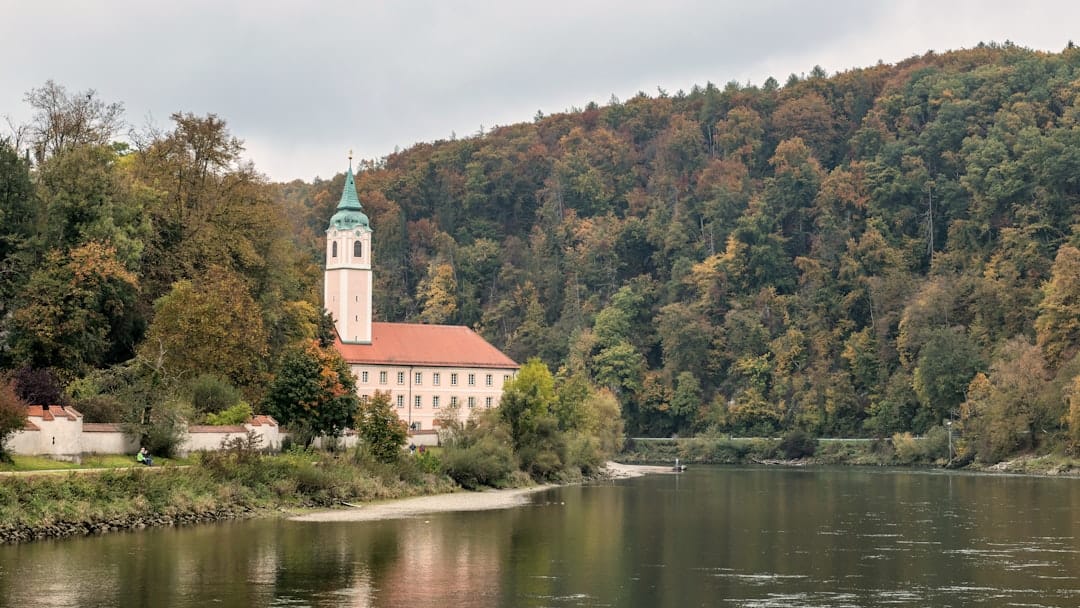
The Winner: EuroVelo 6 — The Atlantic to the Black Sea
If you ask experienced cycle tourists to name a beginner-friendly EuroVelo route, most will land on EuroVelo 6 — and specifically the middle section that follows the Danube through Germany, Austria, and Slovakia. This is the flattest, most forgiving, most infrastructure-rich stretch of long-distance cycling in Europe. The path largely follows river valleys, which means gentle gradients and almost no serious climbing. Rivers don't go uphill, and neither will you.
The Danube section — often called the Danube Cycle Path — is arguably the most popular long-distance cycle route on the planet. That popularity translates into a dense web of support: bike shops in nearly every town, cafes and guesthouses spaced conveniently along the way, and signage so consistent that you barely need to check your phone. The classic Passau-to-Vienna leg covers around 320 kilometres and is comfortably done in five to seven days, making it a perfect starter tour.
For remote workers, EuroVelo 6 has a hidden superpower: it's dotted with proper towns rather than remote wilderness. That means reliable mobile coverage, plenty of cafes with Wi-Fi, and cities like Vienna and Bratislava where you can park up for a few days of focused work. You're never far from a coworking desk or a solid internet connection, which is exactly what you want when your income depends on staying online.
Why It Beats the Other Routes for First-Timers
Why It Beats the Other Routes for First-Timers
Comparison of EuroVelo 6 with three other popular beginner-friendly EuroVelo routes across key criteria.
| Criteria | EuroVelo 6 | EuroVelo 2 | EuroVelo 4 |
|---|---|---|---|
| Total Distance | 4,448 km | 2,400 km | 2,100 km |
| Flat Terrain (%) | 65% | 45% | 50% |
| Accommodation Options | Abundant | Good | Limited |
| Signage Quality | Excellent | Good | Fair |
| Best for Beginners | Recommended | Moderate option | Experienced cyclists |
Illustrative figures — composed for shape, not sourced
It's worth understanding why the alternatives are trickier. EuroVelo 1 (the Atlantic Coast Route) is stunning but exposed to Atlantic weather and stiff headwinds that can turn a pleasant ride into a slog. EuroVelo 8 (the Mediterranean Route) has beautiful stretches but also busy roads and hilly sections that punish under-trained legs. EuroVelo 15 (the Rhine Route) is another strong beginner contender, but the Danube edges it out on sheer density of amenities and the gentleness of the terrain.
The other decisive factor is safety and separation from traffic. Large portions of the Danube path are dedicated cycleways, physically separated from cars. For someone building confidence on a loaded touring bike, that separation is priceless. You can concentrate on the rhythm of pedalling and the scenery rather than nervously listening for engines behind you.
There's also the matter of bailout options. On a beginner route, you want to be able to quit if things go sideways — a mechanical problem, bad weather, or simply exhaustion. The Danube corridor is paralleled by regional trains that accept bicycles, so if you're done for the day you can hop aboard and skip ahead. That safety net removes a huge amount of the psychological pressure that scares first-timers off longer routes. If you're transitioning into this lifestyle gradually, our guide on transitioning from a 9-to-5 to a digital nomad lifestyle pairs nicely with easing into slower travel like this.
Enjoying this? Get more like it.
Weekly picks for remote workers and digital nomads — tools, destinations, and honest takes, straight to your inbox.
Subscribe free →{{IMAGE_2:touring bicycle loaded panniers european town}}
Gear and Setup That Makes the Trip Work
You don't need a carbon-fibre racing machine or thousands of euros of kit to ride EuroVelo 6. A sturdy hybrid or touring bike with reliable brakes and comfortable tyres is plenty. Many people rent bikes locally — outfitters in Passau and along the route offer well-maintained touring bikes and even luggage transfer services, meaning your panniers get shuttled to your next guesthouse while you ride unencumbered. For a first tour, that convenience is worth every euro.
The bigger challenge for remote workers is the tech setup. A rugged laptop sleeve, a power bank capacious enough to survive a full riding day, and a reliable data connection are non-negotiable. Rather than juggling physical SIMs at every border, most nomads now travel with an eSIM that covers multiple countries — our comparison of the best SIM cards for travelling abroad walks through eSIM versus physical options so you stay connected across Germany, Austria, and Slovakia without hassle.
Keep your packing minimal but purposeful. Waterproof panniers protect your electronics from the sudden showers common along river valleys. A lightweight lock, a basic repair kit with a spare tube and multitool, and a comfortable pair of padded shorts round out the essentials. If you're weighing what to bring, our work travel packing list for remote professionals helps you strike the balance between staying productive and travelling light — a balance that matters even more when you have to carry everything on two wheels.
How to Blend Riding Days With Work Days
The dream of cycling all morning and working all afternoon sounds tidy, but in practice you'll want structure. A proven rhythm is to ride three or four days in a row while covering ground, then post up in a hub city like Vienna or Regensburg for two or three days of concentrated work. Cities offer coworking spaces, reliable power, and the kind of ergonomic setup your back will crave after days in the saddle. Trying to bang out client work hunched over a picnic table by the river is romantic in theory and miserable in practice.
Front-load your riding in the mornings when temperatures are cooler and headwinds are calmer. Aim to be off the bike by early afternoon on days when you also need to work. This leaves you a productive block of hours before dinner, and it means you're not racing daylight to reach your accommodation. The flat, predictable terrain of EuroVelo 6 makes distances easy to estimate, so you can plan your schedule around your calls and deadlines with real confidence.
Guard against burnout, though. It's tempting to treat a cycling trip as a working holiday where you do both things at full intensity — and that's a recipe for exhaustion. Give yourself genuine rest days, honour the slower pace, and resist the urge to overbook client work. Our thoughts on mastering digital nomad burnout apply doubly when your leisure activity is also physically demanding. The whole point of slow travel by bike is presence, not productivity metrics.
Budget and Logistics for a First EuroVelo 6 Trip
Budget and Logistics for a First EuroVelo 6 Trip
Daily cost breakdown and logistics comparison for three budget levels across a EuroVelo 6 journey.
| Expense Category | Budget | Mid-Range | Comfort |
|---|---|---|---|
| Accommodation/Night | €25–35 | €50–70 | €90–120 |
| Food/Day | €15–20 | €35–50 | €70–100 |
| Transport & Logistics | €5–10/day | €10–15/day | €20–30/day |
| Recommended Duration | 2–3 months | 4–6 weeks | 2–4 weeks |
Source: austriatrails.com, retrieved 2026-08-30.
One of the underrated joys of the Danube route is how affordable it can be. If you camp, you'll find inexpensive riverside campsites along most of the German and Austrian sections, keeping accommodation costs remarkably low. If you prefer beds, family-run guesthouses (Gasthöfe and Pensionen) offer reasonable rates and hearty breakfasts that fuel long days. Food from bakeries and markets keeps daily spending modest, and you'll burn enough calories to enjoy the local schnitzel guilt-free.
On logistics, timing matters. The sweet spot for riding this route is May through September, with late spring and early autumn offering pleasant temperatures and thinner crowds. July and August are the busiest — book accommodation ahead if you ride then, especially near popular waypoints. Getting to the start is straightforward too: Passau, Munich, and Vienna are all well connected by rail, and trains throughout the region reliably carry bicycles for a small supplement.
For the work side of the equation, factor in a few nights in cities with strong coworking scenes so you can hit deadlines without stress. If you want to stretch your budget across a longer trip, combining bike touring with stints in affordable base cities works beautifully — our roundup of slow travel cities on a budget pairs well with a Danube tour, letting you settle somewhere cheap to work between riding blocks.
EuroVelo 6 along the Danube is the rare route that gives beginners everything they need to succeed: flat terrain, dense support, reliable connectivity, and easy escape hatches when plans change. It turns the intimidating idea of a long-distance bike tour into something genuinely achievable in a single, relaxed week — and it delivers world-class scenery and culture as a bonus.
Start with the Passau-to-Vienna leg, keep your daily distances modest, protect your work rhythm with proper city stops, and let the river do the navigating. By the time you roll into Vienna, you'll have the confidence — and the itch — to tackle a longer stretch next time. That's exactly how a lifetime of cycle touring begins.