Best SIM Cards for Traveling Abroad in 2026: eSIM vs. Physical
Nothing kills the momentum of landing in a new country quite like staring at your phone's "No Service" banner while a taxi driver waits for a decision you can't make without a map. For remote workers and travellers, connectivity isn't a luxury — it's the difference between a productive afternoon in a café and a missed client call. The right travel SIM card turns a foreign SIM slot into a lifeline for maps, messaging, banking apps, and that video call you swore you'd take from the beach.
The good news is that the options have exploded in recent years. Between local prepaid SIMs, global travel SIMs, and the rise of eSIM apps you can activate before you even board the plane, staying online abroad has never been easier — or cheaper. The bad news is that all that choice creates decision paralysis, and the wrong pick can leave you paying eye-watering roaming fees or hunting for a phone shop in a town where nobody speaks your language.
This guide breaks down the best travel SIM card options for people who actually work while they roam. You'll learn what to look for, how to avoid the classic mistakes, which providers punch above their weight, and how to tailor your choice to the destinations on your itinerary. Let's get you connected.

eSIM vs. Physical SIM: What You Actually Need in 2026
eSIM vs. Physical SIM: What You Actually Need in 2026
Feature comparison between eSIM and physical SIM card technologies for international travel.
| Feature | eSIM | Physical SIM |
|---|---|---|
| Activation Speed | Instant (minutes) | 1–2 hours |
| Device Compatibility | Modern phones only | All phones |
| Backup SIM Slot | Not possible | Yes, dual-SIM ready |
| Lost or Damaged | Redownload anytime | Requires replacement |
| International Coverage | 150+ countries | Varies by provider |
| Best for Remote Workers | Recommended | Backup option |
Illustrative figures — composed for shape, not sourced
The single biggest shift in travel connectivity is the eSIM — a digital SIM that lives inside your phone's software instead of a plastic tray. If your device was made in the last few years (most iPhones since the XS, plus recent Google Pixel, Samsung Galaxy, and other flagship Android phones support them), you can buy a data plan online, scan a QR code, and be connected the moment you touch down. No hunting for a kiosk, no fiddling with a tiny ejector pin, no swapping out your home SIM and risking losing it in a hostel dorm.
eSIMs shine for short-to-medium trips and for anyone hopping between countries. Because your physical SIM stays put, you keep your home number active for two-factor authentication codes and calls while a separate eSIM handles data. That dual-SIM setup is a genuine game-changer for remote workers who rely on banking apps and work accounts that text verification codes to a number back home.
That said, physical SIMs still have their place. If you're settling into one country for a month or more, a local physical SIM often beats any eSIM on price and gives you a proper local phone number — handy for booking rides, food delivery, and registering for services that reject foreign numbers. It's also the fallback for older phones that don't support eSIM at all. The smart move for long-haul nomads is a hybrid approach: an eSIM for the first few days to get you online instantly, then a local SIM once you've scoped out the best regional carrier.
What to Look for Before You Buy a Travel SIM
Coverage is king. A rock-bottom price means nothing if the plan runs on a carrier with patchy service outside major cities. Before buying, check which local network the SIM or eSIM actually uses and cross-reference it with coverage maps for the regions you'll visit. This matters even more if your work takes you off the beaten path — think mountain co-living retreats or coastal towns where the difference between two carriers is the difference between a smooth video call and a frozen screen.
Next, weigh data allowance against duration. Remote work is data-hungry: cloud syncs, video meetings, and screen sharing chew through gigabytes fast. A 5GB plan that sounds generous for a holidaymaker can evaporate in a week if you're working full days. Look for plans that offer unlimited or high-cap data, and check whether the "unlimited" tier throttles your speed after a certain point. Also confirm the validity window — some plans expire 30 days after activation regardless of usage, which can catch you out on longer stays.
Finally, read the fine print on tethering and top-ups. Not every travel SIM allows hotspotting, which is a dealbreaker if you plan to connect a laptop or tablet through your phone. And check how easy it is to add more data mid-trip — the best providers let you top up in-app within seconds, while others force you into a clunky website or a physical store. If you're mapping out a longer stint abroad, factoring these details into your budget early pairs well with choosing the right slow travel destinations on a budget.
Enjoying this? Get more like it.
Weekly picks for remote workers and digital nomads — tools, destinations, and honest takes, straight to your inbox.
Subscribe free →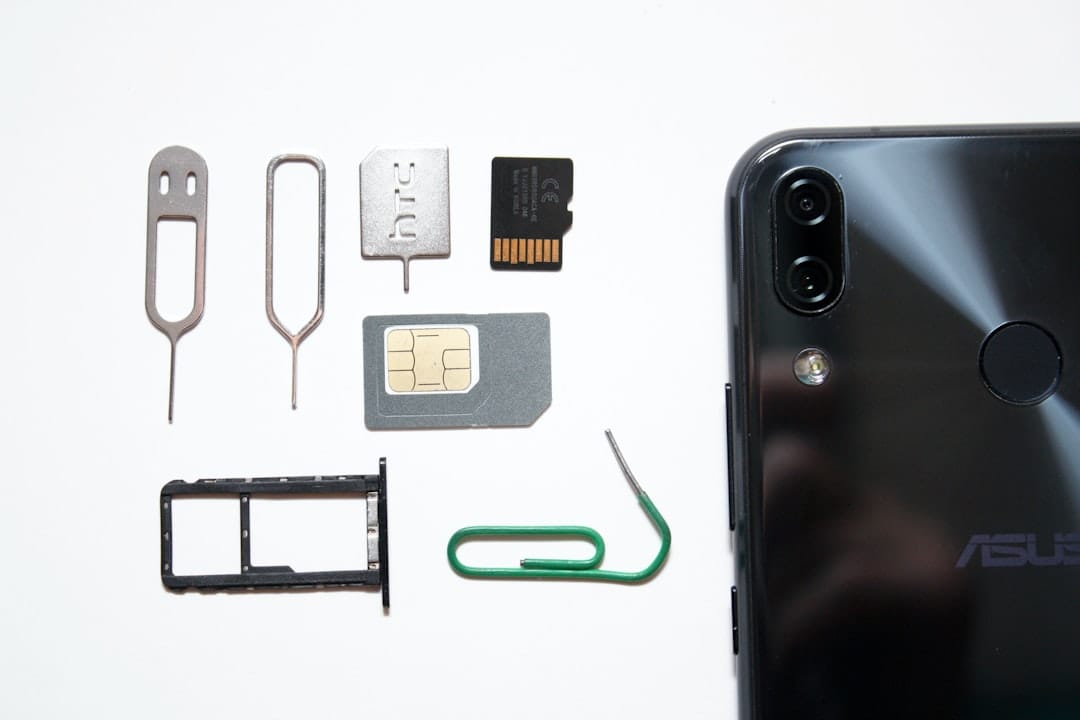
The Best Travel SIM Card Providers Right Now
The Best Travel SIM Card Providers Right Now
Feature comparison of top travel SIM providers for international nomads and travelers.
| Provider | Coverage Area | Data Plans | Support Quality |
|---|---|---|---|
| Airalo | 190+ countries | 1GB–50GB | 24/7 email & chat |
| Nomad SIM | 160+ countries | 2GB–30GB | Email support |
| Local Provider | Single country | Varies widely | Variable by region |
Illustrative figures — composed for shape, not sourced
Airalo is the crowd favourite among digital nomads, and for good reason. Its app offers eSIMs for more than 200 countries and regions, with regional bundles covering entire continents — a lifesaver if your itinerary sprawls across Southeast Asia or Europe. Prices are transparent, activation takes minutes, and top-ups are painless. It won't always be the absolute cheapest per gigabyte, but the convenience and coverage breadth make it the default starting point for most travellers.
Holafly carved out a niche with genuinely unlimited data plans, which appeal to remote workers who don't want to ration gigabytes during a heavy work week. The trade-off is that some Holafly plans historically limited tethering, so double-check the current terms if hotspotting a laptop is essential. Nomad and Ubigi are two other strong eSIM contenders — Nomad often undercuts competitors on price for popular destinations, while Ubigi is well regarded for reliable speeds and flexible plans that don't expire the moment you stop using them.
For those who prefer a physical card, Google Fi Wireless (US customers) and various global travel SIM cards remain solid choices for constant hoppers, offering a single SIM that works across dozens of countries without swapping. And don't overlook local providers — carriers like Vodafone in Europe, AIS in Thailand, Vodacom in South Africa, or Jio in India frequently offer the best value once you're on the ground. The ideal strategy is often an eSIM for instant arrival coverage, upgraded to a local SIM if you settle in for the long haul.
Common Travel SIM Mistakes That Cost You Money
The most expensive mistake is doing nothing and letting your home carrier's international roaming kick in. Default roaming rates can run several dollars per megabyte, and it's frighteningly easy to rack up a hundred-dollar bill before you've finished your first coffee abroad. Always disable data roaming on your home SIM the instant you land, and only re-enable it if you've deliberately bought a roaming pass you understand. Better yet, switch cellular data over to your travel eSIM entirely.
Another classic slip is buying a plan without confirming your phone is unlocked. Carrier-locked phones reject foreign SIMs, and there's nothing worse than discovering this at the airport with a fresh SIM you can't use. Contact your carrier before you travel to confirm your device is unlocked, and if you're buying a new phone specifically for nomad life, prioritise an unlocked model with strong eSIM support. Test any eSIM activation while you still have reliable Wi-Fi — activating on airport Wi-Fi beats scrambling once you've left the terminal.
People also underestimate their data needs and then panic when a plan runs dry mid-project. If your income depends on staying online, err on the side of a larger allowance or an unlimited plan — the marginal cost is small compared to a blown deadline. Finally, don't forget your home number for two-factor authentication. Keep your original SIM installed alongside your travel eSIM so those verification texts still arrive. Losing access to a banking or work account because you tossed your home SIM is a headache that derails the whole point of transitioning into the digital nomad lifestyle.
Destination-Specific SIM Tips for Remote Workers
Southeast Asia is a nomad paradise for connectivity. Countries like Thailand, Vietnam, and Indonesia offer cheap, high-capacity local SIMs, and eSIM regional bundles covering the whole area are excellent value. Speeds in cities are reliable enough for video calls, though rural islands can be spotty — carry a backup provider if your work depends on it. In Thailand specifically, tourist SIMs sold at the airport bundle generous data for a short stay, but a local top-up at a convenience store is cheaper for longer stints.
Europe is delightfully simple thanks to roaming rules that let a single SIM bought in one EU country work across the bloc at no extra cost. Buy a Spanish or Portuguese SIM, hop to Italy, Germany, or Greece, and your data follows you. For multi-country European trips, an EU-wide eSIM or a local SIM from any member state covers you seamlessly. The UK and non-EU corners like the Balkans require a closer look at coverage, so check before assuming your EU plan travels there.
Latin America and Africa are more fragmented. Local SIMs can be fantastic value — India's Jio and Airtel plans are legendary for cheap, abundant data — but registration sometimes requires a passport and can be bureaucratic. In these regions, an eSIM smooths over the friction of your first few days while you assess whether a local option is worth the paperwork. Always research the dominant carrier for your specific city, since one provider's coverage can trounce another's in the same country. If you're chasing the best-value bases, pairing your connectivity plan with affordable co-living spaces built for remote workers keeps both your rent and your data bills sensible.
The perfect travel SIM setup comes down to matching the tool to the trip. For quick getaways and multi-country hops, an eSIM from a provider like Airalo, Holafly, or Nomad gets you online in minutes with zero fuss. For longer stays in a single country, a local physical SIM usually wins on price and gives you a proper local number. And for anyone whose income depends on staying connected, the golden rule is redundancy: keep your home SIM for verification codes, run a data eSIM as your workhorse, and know how to top up in seconds when the gigabytes run low.
Set this up before you fly and you'll skip the airport panic entirely — walking off the plane already connected, already working, already free to focus on the adventure instead of the signal bars. That's the quiet superpower of getting your connectivity sorted: it fades into the background so the rest of the trip can take centre stage.