The New Approach to Packing Toiletries in Your Carry-on Bag (effortless)
There's a moment every nomad knows: standing in front of your open suitcase at 5 AM, staring down a collection of toiletry bottles that seem to have multiplied overnight. The 3-ounce liquid rule glares at you from the TSA website. Your toothbrush is rolling around loose. Your shampoo has leaked into your socks—again. And you're supposed to be on a plane in three hours.
The traditional approach to carry-on toiletries—cramming bottles into a gallon ziplock bag, hoping nothing bursts, praying TSA won't confiscate your expensive face serum—is exhausting. And for those of us who travel frequently, whether bouncing between coworking spaces in Southeast Asia or settling into a seasonal apartment in Portugal, that chaos multiplies with every journey. But there's a better way. One that's not just more organized, but genuinely effortless.
This isn't about buying expensive travel-size products or sacrificing your actual grooming routine. It's about understanding what you actually need, packing it intelligently, and building a system that works whether you're flying monthly or staying put for a season. It's minimalist packing refined for the reality of remote work travel—practical, stress-free, and honestly, kind of liberating once you get the hang of it.
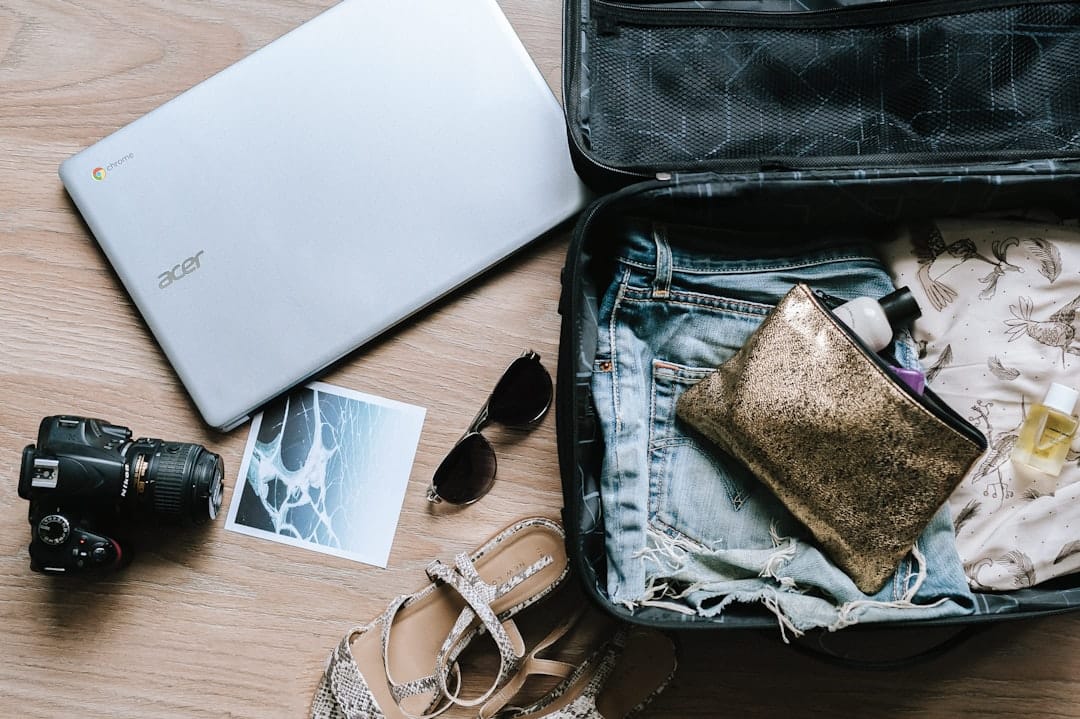
Before you pack a single item, ask yourself three questions: Will I use this within 24 hours of landing? Can I buy this at my destination? Would I be genuinely uncomfortable without it for a day? This is where minimalist packing actually begins—not with the method, but with honest assessment. Most of us travel with toiletries we never touch. You don't need seventeen skincare products. You don't need three types of shampoo. You need to feel clean, confident, and comfortable. Everything else is negotiable.
The genius of this framework is that it adapts to where you're going. Heading to a remote village in Bali? You'll want to pack your essentials because pharmacies might be limited. Flying into Barcelona or Mexico City? You can buy almost anything within walking distance of your accommodation. This knowledge transforms your packing list from a generic checklist into something personalized and actually useful. When I'm heading to one of the popular slow travel cities—places with good infrastructure and pharmacies—I pack maybe a four-day supply of most things. The rest? I pick it up when I arrive, often for less than I paid for baggage space to bring it along.
Building Your Minimalist Toiletry Kit: The Essentials List
Comparison of toiletry formats and their carry-on suitability, weight, and durability for nomadic travel.
| Toiletry Type | Liquid Format | Solid/Decanted | Travel Stick |
|---|---|---|---|
| Deodorant | 50ml limit | No limit | No limit |
| Shampoo | 100ml limit | No limit | N/A |
| Moisturiser | 100ml limit | No limit | N/A |
| Toothpaste | 100ml limit | Solid tabs | N/A |
| Sunscreen | 100ml limit | Stick form | No limit |
| Best Overall Format | Restrictive | Recommended | Recommended |
Okay, here's the part that actually changes everything: decanting liquids into small containers and switching to solid alternatives where possible. Not the tiny travel bottles everyone's been using for years—I mean genuinely small. A 15ml amber glass bottle holds way more than you'd think and weighs almost nothing. A 30ml pump bottle fits in your palm. These aren't the overpriced "travel-size" products sold at airports; they're bulk containers from drugstores, usually a few dollars. Fill them from your full-size products at home. That's it.
But the real revelation comes when you embrace solid products: bar shampoo, solid deodorant, solid toothpaste tablets, or even shampoo bars that are so compressed they last longer than three full bottles of liquid. A quality shampoo bar lasts roughly 50-80 washes depending on the brand—that's two to three weeks of daily use in a space smaller than a phone. Solid face bars eliminate the liquid limit entirely. These products aren't new, but they've gotten exponentially better in recent years. You're not sacrificing quality; you're actually gaining performance while saving weight and space. The first time you pack a wash bag that weighs less than half a pound and contains everything you need for two weeks, you'll understand why this approach has quietly become standard among serious travelers.
Let's get specific. Your toiletry carry-on doesn't need to be fancy—a small zippered pouch from a drugstore works perfectly. But inside it, you want organization that actually serves you. Dedicate one small container to liquids (your decanted bottles) and keep it in a separate, TSA-compliant clear bag. This takes 30 seconds to pull out at security instead of rummaging through everything. Use a small silicone travel organizer—the accordion-style ones are perfect—to separate solid deodorant, toothpaste tabs, and lip balm from everything else. Cotton makeup pads or small fabric squares can separate items and prevent spillage if something unexpected happens.
The beauty of this setup is that it's actually faster than traditional packing. You're not worrying about bottles leaking or TSA confiscating things. You're not trying to compress an oversized makeup bag into your carry-on. Everything has its place, nothing is wasted, and you can literally pack your toiletries in under two minutes. More importantly, when you land in a new city and head straight to your accommodation to work (because that's what remote work means), you're not digging frantically for your toothbrush or deodorant while jet-lagged. Everything is immediately accessible and organized.
Enjoying this? Get more like it.
Weekly picks for remote workers and digital nomads — tools, destinations, and honest takes, straight to your inbox.
Subscribe free →
Here's what a genuinely minimalist carry-on toiletry kit looks like, and I mean this as a starting point—adjust based on your actual needs and preferences. Toothbrush (or consider a collapsible one to save space), solid toothpaste tablets, deodorant (solid preferred), a multi-use soap bar or solid shampoo bar, a small container of your preferred face cleanser or a solid face bar, a lip balm with SPF, and a minimal skincare product—one moisturizer if that's essential for your skin. That's eight items. If you wear makeup, a mascara, a lipstick, and one eyeshadow palette can round it out. If you need prescription items or have specific skin conditions, obviously keep those. But everything else—the seventeen serums, the backup shampoos, the "just in case" products—they're not minimalist packing. They're anxiety packing, and they're what makes your bag heavy and your security line slow.
What makes this approach work for digital nomads specifically is that you're not locked into a single packing list. If you're staying in a place for a few weeks or months—which is the whole point of remote work travel and slow travel—you can adjust as needed. Landed somewhere with hard water that's messing with your hair? Buy a local product or have something shipped. Broke out? Hit the pharmacy. Finished your shampoo bar? Grab another one locally, often for less than what you'd pay to ship it internationally. The minimalist packing mindset isn't about deprivation; it's about flexibility and letting your destination support you rather than forcing everything into a tiny carry-on.
There's something deeper happening when you strip down your toiletry kit to actual essentials. You're not just saving weight and space—you're reducing mental load. Every unnecessary item in your bag is something to think about, something to organize, something that could leak or break or make you feel like you're forgetting something. Travel already involves a certain amount of uncertainty. Why add self-imposed complexity to your personal care routine? When you know exactly what you have, where it is, and that it's sufficient, there's a clarity that extends beyond packing.
Remote workers especially benefit from this. You're likely managing multiple time zones, staying productive while moving between locations, and trying to maintain wellness routines that support your work. A streamlined morning routine—splash face with water, solid soap bar, toothpaste tabs, deodorant, done in two minutes—removes friction from your day. There's no "where did I put my face wash" moment at 7 AM before a client call. No searching through a overflowing cosmetics bag when you're already running late. This kind of systematic simplicity compounds over time, contributing to better burnout management and overall wellness.
Let's talk money because it matters for digital nomads managing tight budgets. Budget airlines charge anywhere from $25-$40 for a checked bag. Paying to fly your shampoo across the world is mathematically absurd. Even flying economy on legacy carriers, checked baggage adds up—and you're definitely paying for it somewhere. A quality shampoo bar costs about $7-$12 and lasts roughly three weeks. A liquid shampoo in a 3 oz bottle costs maybe $6 but lasts about a week. You're not saving money buying liquid and flying it; you're losing it. Decanting your products at home costs almost nothing—a 15ml amber bottle set is under $15 for a pack of 12. You're set for a year.
If you travel monthly, that's potentially $300-$500 in checked baggage fees annually—or none if you never check a bag. When you're thinking about budgeting as a nomad, that's real money. Money that could go toward longer stays in those incredible slow travel cities you've been wanting to explore, or toward upgrading your accommodation to something with better internet for your work setup.
If this is your first time trying minimalist packing for toiletries, don't try to overhaul everything at once. Start with your next trip. Buy one solid shampoo bar from a reputable brand—Unwrapped Life and Ethique are solid starting points, but local options exist everywhere. Pick up a small amber glass bottle and fill it with your regular face product. Grab a pack of toothpaste tabs. Pack these into a small zippered pouch. Leave the rest of your toiletries at home. See how it feels. I guarantee you'll arrive at your destination, open your bag, and feel a little rush of satisfaction at how organized and light it is. Then you'll realize you didn't miss anything and wonder why you ever traveled any other way.
The effortless approach to packing toiletries in your carry-on isn't about restriction or deprivation. It's about removing friction from the parts of travel that should be straightforward and focusing your energy on what actually matters—experiencing your destination, maintaining your remote work productivity, and staying healthy and comfortable while doing both. When packing takes five minutes instead of thirty, when security takes thirty seconds instead of five minutes, when you never worry about a bottle exploding in your luggage, it compounds into real quality-of-life improvements for nomadic living.
The beauty of this method is its sustainability. You're not relying on expensive travel-size products that create packaging waste. You're not overpacking out of anxiety. You're not paying baggage fees for items you could buy at your destination for half the price. This is minimalist packing that actually works for real life, real travel, and real remote work journeys. Once you experience the ease of it, you'll never go back to the ziplock bag chaos again.