How To Pack For A Trip
Packing for a trip as a digital nomad or remote worker is different from traditional travel. You're not packing for a two-week vacation—you're packing for a lifestyle. Whether you're heading to a beach destination for a month, testing out a new city for the season, or bouncing between coworking spaces across continents, your luggage needs to work as hard as you do.
The challenge isn't just fitting everything into a suitcase. It's packing smart enough that you have what you need for work, mobility, and comfort—without the bulk that slows you down or the regret of carrying things you never use. Minimalist packing isn't about deprivation. It's about intentionality. Every item earns its place because space and weight matter when you're constantly moving.
This guide walks you through the practical process of packing for extended travel while maintaining the flexibility and agility that location independence demands. We'll cover strategy, specific gear recommendations, and the mindset shifts that separate veteran nomads from overpacked first-timers.
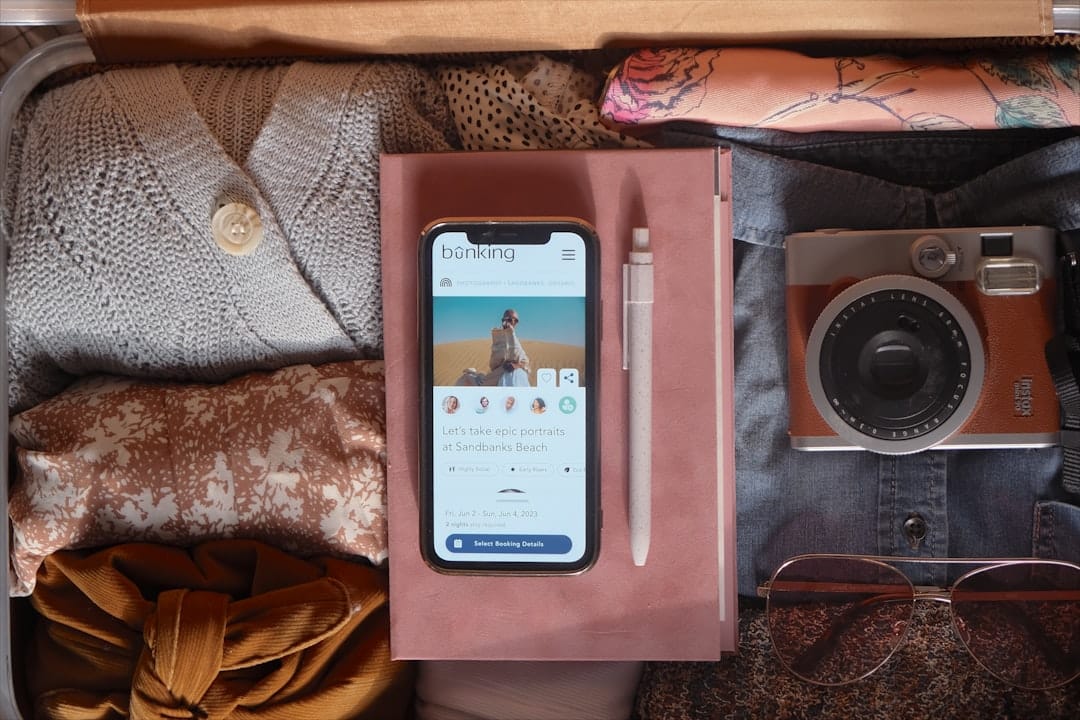
Before you pack a single shirt, identify what you absolutely need to work. This isn't guesswork—it's the foundation of everything else. Your laptop, charger, and any work-specific hardware (external keyboard, mouse, monitor cable) don't go in the "nice to have" pile. They're non-negotiable. Everything else is negotiable.
Beyond hardware, think about your work environment. Do you need a specific notebook or planner? Headphones? A portable phone stand? Document the exact tools that appear on your desk most days. If you haven't used something in two weeks of work, it probably doesn't belong in your travel bag. For those managing multiple roles, consider keeping tools and separators that help manage context switching—this keeps your brain organized and your bag lean.
Pro tip: Invest in a quality travel backpack or rolling carry-on with dedicated tech compartments. This single decision—choosing the right bag—determines how much you can actually pack and how comfortable you'll be moving it around. Look for bags with cable organizers, padded laptop sleeves, and ventilated sections for clothes. Your bag should feel like an extension of your workspace, not a burden.
Clothing is where most travelers fail at minimalism. The trap is easy: "What if I need this?" multiplied across seven different scenarios leads to a suitcase that weighs 40 pounds. Here's the reality: you'll wear 20% of what you pack, and laundry exists in every city you visit.
Build a capsule wardrobe around neutrals and multipurpose pieces. Black, navy, grey, and white form your foundation. Add two or three accent colors that you actually wear. Choose pieces that layer, mix, and match across multiple outfits. A quality pair of dark jeans, two neutral t-shirts, one long-sleeve layer, and one lightweight jacket create the base. From there, add 2-3 more tops (button-up, sweater, or an additional shirt depending on climate) and 1-2 bottoms. Include one nicer piece for client calls or social events.
For underwear and socks, pack seven days' worth. That's it. You'll wash clothes weekly or more frequently, depending on your destination and activity level. Merino wool base layers and technical fabrics dry faster than cotton and handle multiple wears between washes—a major advantage when you're doing laundry in shared machines or hand-washing in hostels. Include one sports bra or compression shorts if needed, one light sweater or hoodie for layering, and footwear: one pair of walking shoes, one pair of professional shoes, and optionally slip-on shoes or sandals depending on climate. That's genuinely enough.
Enjoying this? Get more like it.
Weekly picks for remote workers and digital nomads — tools, destinations, and honest takes, straight to your inbox.
Subscribe free →
This category tricks people because "just in case" becomes an entire toiletries bag. The practice: buy travel sizes, buy full sizes and refill travel containers, or wait until you land and purchase locally. Shampoo, conditioner, and body wash are heavy and unnecessary—most accommodations provide them, and local drugstores everywhere stock basics. Focus on items you genuinely cannot replace easily: prescription medications, specific skincare if you have sensitive skin, contacts or glasses (with backup), and any specialized items your body actually needs.
The essentials list: toothbrush, toothpaste, a multipurpose face cleanser, your sunscreen (especially if traveling to tropical destinations like those featured in beach remote work destinations), any medications, deodorant, feminine hygiene products if needed, nail clippers, a small comb, and a basic first-aid kit (bandages, pain reliever, anti-diarrheal). Consolidate: use one moisturizer that works for face and body. Use one soap for hands and body if possible. Keep hair products minimal—or wash with a bar of soap.
Pack everything in a single small toiletries pouch—ideally one that hangs and fits in a carry-on. Weight and volume matter far less than access and organization. You'll open this bag daily, so clear containers help you see what you have at a glance.
Once you've decided what goes in your bag, how you pack it determines whether you actually enjoy traveling. Cramming everything randomly means you'll dig through your entire suitcase to find one item, wrinkle everything, and create chaos at every stop. Organized packing saves time, protects your belongings, and keeps your mental load light.
Invest in packing cubes or compression bags. These aren't luxury items—they're practical tools that compress your clothes, organize by category (shirts, pants, undergarments, socks), and make unpacking instant. You open your suitcase, pull out labeled cubes, and your items are already sorted. Packing cubes also protect your clothes from the rest of your bag's contents and make repacking effortless. Store electronics and chargers in a separate cable organizer so they're easy to access without searching through folded clothes. Keep your toiletries bag and any medications easily reachable.
Use the rolling method for clothes: lay items flat, roll them tightly, and stack rolls in packing cubes. This saves space compared to folding, prevents wrinkles, and lets you see every item at once. Keep frequently needed items (current outfit, chargers, travel documents) in your backpack's front pockets or a personal item bag. Shoes go in a separate dustbag or in the bottom corners of your suitcase to prevent scuffing other items. Consider wearing your bulkiest items during travel (jacket, boots) rather than packing them.
Toiletries and Personal Care: Quality Over Quantity
Comparison of toiletry packing strategies: full-size bottles vs. travel-sized and refillable options.
| Item Category | Full-Size Bottles | Travel Sizes | Refillable Containers |
|---|---|---|---|
| Shampoo & Conditioner | Bulky, Heavy | Compact, Convenient | Eco-Friendly, Economical |
| Moisturizer & Sunscreen | Takes Up Space | TSA Compliant | Sustainable Option |
| Medications & Supplements | Original Containers | Pre-Packaged Doses | Weekly Pill Organizer |
| Cost Efficiency | Lower Per Use | Higher Per Use | Most Cost-Effective |
| Best for Nomads | Short Trips | Multi-Week Travel | Extended Stays |
Your destination's climate dictates what you can eliminate and what you cannot. If you're heading to tropical locations year-round, heavy winter layers are dead weight. If you're bouncing between seasons—say, slow traveling across multiple cities—your strategy changes. Research your destination's weather for the entire period you're staying. Pack for the extremes you'll actually encounter, not for hypothetical scenarios.
For warm climates: lightweight, breathable fabrics (cotton, linen blends) replace heavier materials. You need less total clothing because you're not layering as much. Prioritize quick-dry fabrics for frequent laundry. Pack one light layer for over-air-conditioned offices and cooler evenings. Sunglasses and a hat become functional items, not extras.
For cold climates: thermal base layers become essential, not optional. One warm jacket replaces several lighter layers if you choose correctly—look for insulated but packable options. Merino wool socks, thermal underwear, and a warm hat add minimal weight but massive comfort. Gloves are small and necessary. A scarf does double duty as warmth and style.
For variable climates: pack layers you can combine. A base layer plus a lightweight sweater plus a packable jacket creates multiple temperature options without excess bulk. Choose colors and styles that mix easily. Avoid packing the same outfit in different colors—waste of space.
The real shift happens when you internalize that minimalist packing isn't about sacrifice—it's about freedom. Less weight means less effort moving between locations. Fewer choices means getting ready faster, especially important when you're balancing work and exploration. One consolidated suitcase and a backpack mean you're not checking luggage, waiting at carousels, or paying extra fees. You move through airports, train stations, and accommodations faster, with less physical strain.
Beyond logistics, packing intentionally changes how you travel. You stop acquiring things on impulse because you have no space for them. You actually wear what you bring, so every purchase feels purposeful. You think about quality over quantity, which means investing in pieces that last multiple washes and multiple trips. This shift extends beyond your suitcase—it influences how you approach your entire remote work lifestyle, from your accommodations to your work setup.
Start your next trip with intention. List your work essentials. Choose a neutral capsule wardrobe. Pack what you'll actually use. Organize it so you can access anything in seconds. Test this approach on a two-week trip first—it's easier to refine your system with real-world data than to guess. After your first minimalist packing experience, you'll never go back to overpacking. The ease of movement, the simplicity of maintenance, and the mental clarity of owning fewer things creates space—literally and mentally—for what actually matters: your work, your destinations, and the experiences you came to pursue.