Solo Travel & Remote Work: Your Top Tips for Leaving Corporate
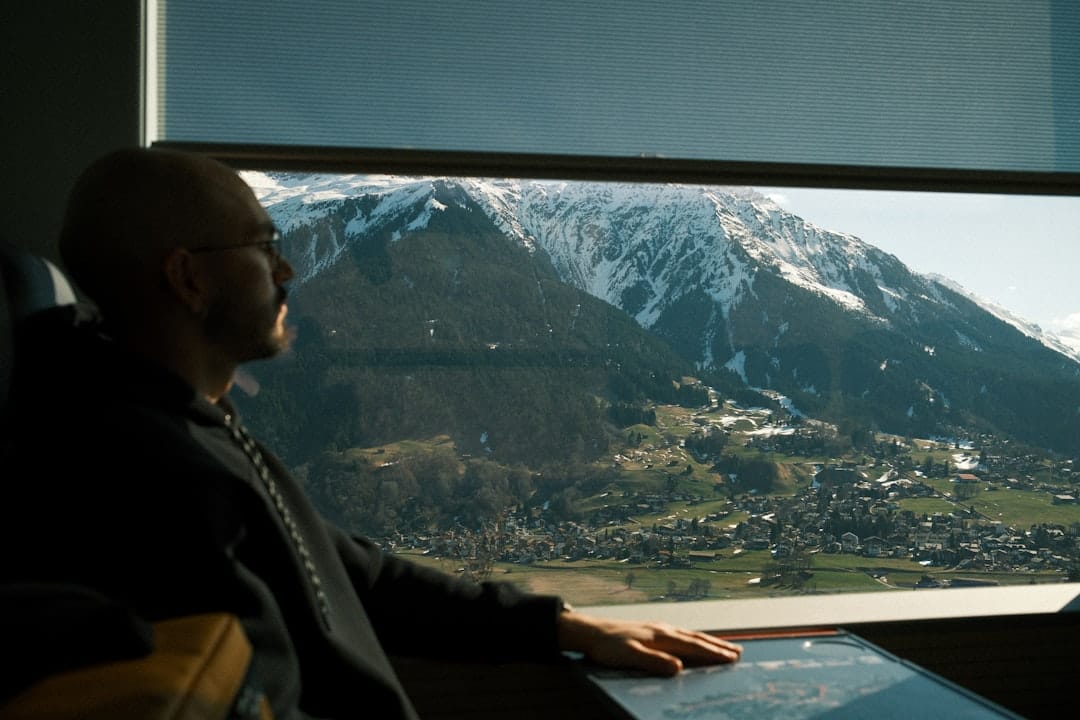
There's a particular kind of Tuesday morning that finally tips you over the edge. The fluorescent hum of the office, the third meeting that could have been an email, the slow realisation that the next forty years might look exactly like the last four. Somewhere in that grey moment, a thought surfaces and refuses to leave: what if the desk could move? What if work happened from a sun-warmed balcony in Lisbon, a quiet co-working loft in Chiang Mai, a train threading through the Alps with the laptop open and the world sliding past the window?
Leaving corporate life to travel solo while working remotely is not a fantasy reserved for trust-fund kids or twenty-two-year-olds with nothing to lose. It is a deliberate, achievable transition that thousands of people make every year — quietly, methodically, and with far less drama than the highlight reels suggest. The hard part is rarely the courage. It's the planning, the sequencing, and knowing which leaps to take first.
This guide walks through what it actually takes to step away from a salaried role and build a sustainable life as a solo digitalnomad — the money, the mindset, the practical infrastructure, and the small daily habits that make the difference between a long, joyful run and an expensive month-long burnout. Consider it a hand on the shoulder from someone who has watched this path well-trodden by others, and who knows exactly where the loose stones lie.
Build Your Financial Runway Before You Hand in Notice
The single most common mistake people make when leaving corporate is leaving too soon — driven by frustration rather than readiness. The truth that no inspirational quote will tell you is that freedom is, in large part, a function of cash flow. Before you draft your resignation letter, you want a runway: a buffer of savings that covers at least three to six months of living and travel costs with no income at all. This is not pessimism. It is the cushion that lets you make good decisions instead of panicked ones when a client ghosts you or a payment lands three weeks late.
Start by mapping what your new life actually costs, which is often far less than corporate life back home. A month in a comfortable apartment in Mexico City or Tbilisi can cost a fraction of rent in London or San Francisco. Sketch a realistic monthly budget that includes accommodation, food, coworking, transport, insurance, and the inevitable surprise expenses. If you want a structured way to do this, the ultimate guide to budgeting for digital nomads breaks the numbers down into something you can actually act on rather than worry about.
Crucially, try to secure income before you leave, not after. Whether that's negotiating remote terms with your current employer, lining up freelance contracts, or building a side project to a point where it covers your baseline, the goal is to make the leap feel like a transition rather than a cliff edge. Many of the most relaxed nomads you'll meet didn't quit dramatically — they simply made their corporate role redundant by building something more flexible alongside it, then walked away when the maths finally tipped in their favour.
ℹ️ This content is for informational purposes only and does not constitute financial advice. Consult a qualified financial adviser before making financial decisions. Full disclaimer →
Choose Work That Travels Well
Choose Work That Travels Well
Comparison of remote work types suited to solo travel, ranked by flexibility, income stability, and location independence.
| Work Type | Schedule Flexibility | Income Stability | Best For Travel |
|---|---|---|---|
| Freelance writing/design | High | Variable | Yes |
| Full-time remote employee | Moderate | Stable | Yes |
| Consulting/coaching | High | Variable | Yes |
| Content creation (YouTube/blog) | Very high | Delayed revenue | Excellent |
| E-commerce/SaaS | Flexible | Scalable | Excellent |
Not all remote work is created equal for the travelling life. A role that demands you be online at fixed hours in a specific timezone will quietly dictate where in the world you can comfortably exist — and that's worth knowing before you book a one-way flight to the other side of the planet. Asynchronous work, project-based contracts, and output-driven roles tend to travel far better than anything tethered to a rigid nine-to-five clock. The freedom to work when the light is good and explore when the streets are quiet is one of the quiet luxuries of this lifestyle, but only if your work allows it.
If your current skills don't obviously translate to remote work, the good news is that the menu of options has never been broader: writing, design, software development, marketing, consulting, virtual assistance, online teaching, and dozens of niches in between. It's worth spending real time exploring the landscape of remote careers built for travel before committing, so you choose a path that suits both your temperament and your bank balance rather than the first option that sounds romantic.
Consider, too, how many income streams you want to juggle on the road. Diversifying — one anchor client plus a couple of smaller gigs — buffers you against the feast-and-famine cycle that catches so many newcomers. But there's a balance to strike, because managing several roles from a café with patchy wifi and a time difference can quietly erode the very freedom you crossed an ocean to find. Learning how to handle that complexity without unravelling is its own skill, one worth developing deliberately rather than discovering the hard way at 2am.
Enjoying this? Get more like it.
Weekly picks for remote workers and digital nomads — tools, destinations, and honest takes, straight to your inbox.
Subscribe free →
Master the Rhythm: Routines That Survive Time Zones
The fantasy of solo nomad life is endless spontaneity. The reality of doing it well is surprisingly structured. When the office no longer imposes a shape on your day, you have to build one yourself — and the people who last years rather than months are almost always the ones who treat their routine as sacred infrastructure rather than a corporate hangover they're glad to be rid of. Anchoring your day around a few non-negotiables, like a morning work block before you let the city pull you outdoors, keeps both the deadlines and the wanderlust satisfied.
Time zones add a layer of complexity that catches everyone out at first. A client in New York and a base in Bali can mean your evenings vanish into calls while your mornings stretch empty and golden. The trick is to choose destinations that align reasonably with your work obligations, or to embrace asynchronous communication so aggressively that synchronous calls become rare exceptions. Adopting solid time blocking techniques early on will save you from the slow drift where work bleeds into every hour and the travel you came for never quite happens.
Equally important is protecting your energy. Solo travel is exhilarating and, at times, lonely and exhausting in ways that no one warns you about. Constant novelty has a cost; decision fatigue is real when every meal, every street, every transit choice is new. Build in slow weeks. Stay somewhere a full month instead of hopping every three days. The most sustainable nomads move slowly, sink into a place, find a favourite café and a regular walk, and let routine do the quiet work of keeping them grounded while the scenery changes.
Find Your People Without Losing Your Solitude
Travelling solo and working alone can compound into a particular kind of isolation, and it's worth naming honestly because it derails more people than any visa problem ever will. You can be surrounded by gorgeous scenery and still feel hollow if weeks pass without a real conversation. The antidote isn't abandoning solo travel — it's building connection intentionally into a life that, by default, won't provide it for you. The freedom that drew you here can quietly become loneliness if you don't tend to the human side of things.
Coworking spaces and co-living setups are the easiest on-ramps to community, offering instant proximity to people on the same wavelength without the awkwardness of starting from zero. Spending a month in a co-living space early in your journey can transform the experience — suddenly there are shared dinners, spontaneous weekend trips, and the low-grade comfort of familiar faces over morning coffee. Beyond that, professional networking online keeps your career alive while you roam, and the friendships forged through shared work tend to outlast the postcards.
That said, protect your solitude too. Solo travel offers something rare and valuable: the chance to follow your own curiosity entirely, to change plans on a whim, to sit with your own thoughts in a foreign square as the evening cools. The goal isn't to fill every hour with company but to find a rhythm where connection and solitude take turns. Some weeks you'll crave the buzz of a hostel common room; others you'll want nothing but a quiet apartment and a good book. Both are part of the life, and learning to read which one you need is a skill in itself.
Choose Your First Destinations Wisely
Where you go first matters more than where you go eventually. The temptation is to chase the most exotic, far-flung dream destination immediately — but a gentler first chapter pays dividends. Pick somewhere with reliable wifi, an established nomad community, affordable living, and infrastructure that won't fight you while you're still learning the ropes. Cities like Lisbon, Mexico City, Chiang Mai, and Medellín have earned their reputations precisely because they make the transition forgiving, with coworking spaces on every corner and other newcomers stumbling through the same learning curve beside you.
Cost and pace should weigh heavily in early choices. A budget-friendly base buys you margin for error and extends your runway, which in turn lowers the pressure that makes people quit and crawl back to corporate within six months. It's worth studying which slow travel cities offer the best value before you commit, because the difference between a city that drains your savings and one that quietly extends your freedom can be enormous, and it rarely correlates with how famous the destination is.
Pay attention, too, to the practical scaffolding: visa rules, the growing number of dedicated digital nomad visas, healthcare access, and timezone fit with your work. None of this is glamorous, but a forgotten visa overstay or a medical scare in a country where you don't understand the system can unravel months of careful planning in an afternoon. Treat the boring logistics with the same care you'd give your itinerary, and they'll fade quietly into the background where they belong, leaving you free to actually enjoy the place you worked so hard to reach.
Leaving corporate life isn't a single dramatic act of courage — it's a series of small, deliberate decisions stacked on top of one another until the old life simply no longer fits. Build the financial runway. Choose work that moves with you. Protect your routines and your energy. Tend to both connection and solitude. Start somewhere gentle. Do those things, and the version of life you imagined on that grey Tuesday morning stops being a daydream and becomes, slowly and then suddenly, your ordinary reality.
The desk really can move. The only thing standing between you and that balcony in Lisbon is a plan — and now you have the beginnings of one. Take it one careful step at a time, and let the world come to meet you.