Why Most Digital Nomad Dreams Don't Work Out
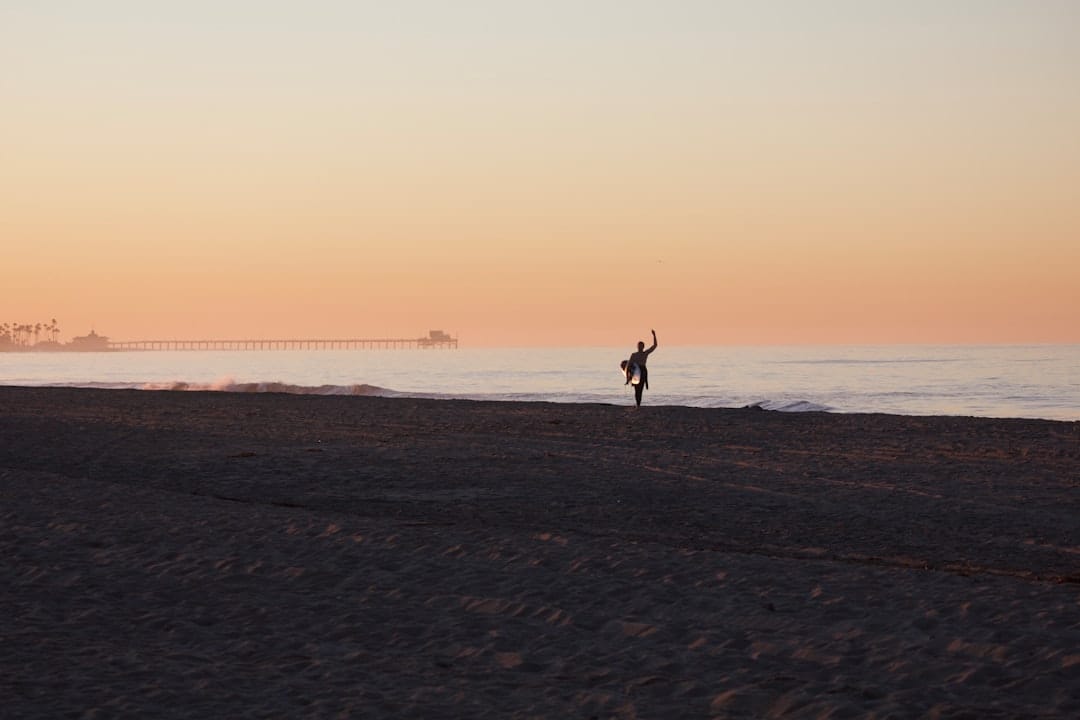
There is a photograph that circulates endlessly across feeds: a laptop balanced on tanned knees, the screen catching the last gold of a Bali sunset, a coconut sweating in the sand nearby. It is a seductive image, and it sells a promise — that you can trade the fluorescent hum of an office for the sound of waves, and somehow keep the paycheck. Every year, thousands of people pack a single carry-on, hand in their notice, and chase that exact frame. And every year, a quiet majority of them drift home within twelve months, deflated, slightly broke, and faintly embarrassed.
This is not a story about failure, though. It is a story about expectation — and the enormous, mostly invisible gap between the fantasy of being a digitalnomad and the daily, unglamorous reality of doing the work that funds the fantasy. The dream rarely collapses because the world is too hard. It collapses because the version sold online was never real to begin with, and nobody warned the dreamer about the parts that don't photograph well.
So let's walk through why most of these dreams don't work out — not to discourage you, but to arm you. Because the people who do build a lasting life on the road are not luckier or richer than the ones who go home. They simply understood, before they left, what they were actually signing up for.
The Instagram Lie You Bought Without Realising
The Instagram Lie You Bought Without Realising
Comparison of what digital nomads post on social media versus the reality they experience.
| Experience | Instagram Version | Reality Check |
|---|---|---|
| Daily Work Routine | Laptop by ocean sunset | 8 hours in noisy café |
| Social Life | New friends every week | Superficial connections |
| Budget Reality | Living for $500/month | Actually $1,200/month |
| Work-Life Balance | Always on holiday | Always working |
| Mental Health | Pure happiness | Anxiety and burnout |
The single greatest reason nomad dreams fall apart is that they were built on marketing, not on a plausible life. The aspirational content you absorbed — the beachfront co-working shots, the "I quit my job and now I make six figures from my phone" reels — is not a documentary. It is a highlight reel, often produced by people whose actual income comes from selling you the dream rather than living it. You measured your future against a fiction, and reality was always going to lose that contest.
Consider what that photograph hides. The glare on a laptop screen at the beach is so brutal you cannot read a single line of code or copy. The sand gets everywhere. The Wi-Fi at the picturesque café drops every fifteen minutes. The sunset everyone is chasing happens at the exact hour your client back home logs on for the morning standup. The truth is that good remote work happens in unremarkable places: a quiet room with a desk, a reliable connection, and a closed door. It looks almost identical to the office you left, only the view outside the window has changed.
When you accept this early, the whole equation shifts. You stop trying to perform a lifestyle for an invisible audience and start designing a life that actually functions. The people who last are the ones who realised, sometimes painfully, that the destination is a backdrop to the work — not a replacement for it.
Running Out of Money Faster Than You Expected
Money is the quiet assassin of the nomad dream. Most people leave with a rough plan — a few months of savings, a hope that freelance income will materialise, a vague sense that "some countries are cheap." Then the realities of irregular cash flow, currency swings, surprise visa runs, travel insurance, and the eternal lure of "I'm only here once, I should do the thing" begin to compound. The runway you thought would last a year evaporates in five months.
The destinations that look cheap from afar often aren't, once you factor in nomad-grade accommodation with fast internet, eating out because you have no kitchen, and the social cost of saying yes to every weekend trip your new friends propose. A bargain monthly rental in a sleepy town is cheap; a well-located apartment in a buzzy nomad hub with a workspace, a pool, and reliable fibre is not. Experienced travellers learn to build a real budget before they board the plane, and then to track it relentlessly. If you've never done this, start with a clear-eyed framework like our guide to budgeting for digital nomads, and learn the art of securing affordable longer-term stays with these cheap monthly rental tips.
The deeper problem is income, not expenses. The dream often involves quitting a stable job in the romantic belief that opportunity will appear once you're free. It rarely does. The nomads who endure almost always leave with their income source already secured — a remote role, an established freelance client base, a business that already turns a profit. They de-risk the money before they touch the geography. The order matters enormously, and getting it backwards is the single most common way the dream ends in a one-way flight home.
Enjoying this? Get more like it.
Weekly picks for remote workers and digital nomads — tools, destinations, and honest takes, straight to your inbox.
Subscribe free →
The Loneliness Nobody Posts About
Here is the part the photographs will never show you: the silence of a Tuesday evening in a city where you know no one, where your phone holds a dozen contacts who are all six or twelve hours out of sync with your day. Freedom, it turns out, has a texture, and that texture is often isolation. You can be standing in the most beautiful place you've ever seen and feel a hollowness that no view fixes. Friendships on the road form fast and dissolve faster, because everyone is leaving. You say goodbye constantly. Over months, that churn wears people down in ways they never anticipated.
The structures that anchored your old life — a regular gym class, the same barista, friends you'd known for a decade, family Sunday lunch — vanish the moment you start moving. And without those anchors, the mind drifts. Many people interpret this loneliness as a sign that the lifestyle is wrong for them, when in fact it is simply a sign that they moved too fast and connected too little. The fix is rarely to go home. It is to slow down, to stay in one place long enough for relationships to take root, and to put genuine effort into community.
This is where slow travel and deliberate community-building earn their keep. Staying a month or three in one city, choosing a co-living space over an anonymous rental, and treating connection as a skill rather than an accident all transform the experience. Learning to build relationships intentionally — covered in our piece on remote networking for digital nomads — is not a nice-to-have. For many, it is the difference between a sustainable life and a lonely retreat.
Mistaking Constant Motion for Freedom
There is a particular trap that catches even disciplined, well-funded people: the belief that more movement equals more freedom. Newly minted nomads often try to see everything at once — a new country every two weeks, a new neighbourhood every few days — and quickly discover that constant relocation is one of the most exhausting things a human can do while also holding down a job. Every move resets your routine. You lose a day finding decent Wi-Fi, another day learning where to buy groceries, another adjusting to a new time zone. Productivity collapses, and with it, the income that makes the whole thing possible.
Burnout among nomads rarely comes from the work itself. It comes from the logistics — the endless low-grade decision fatigue of arranging your basic survival in unfamiliar places, week after week. Add to this the temptation to juggle several income streams or clients across mismatched time zones, and the cracks widen. If you're carrying a heavy workload on the road, the principles in our guide to managing multiple remote jobs without burning out become survival tools rather than productivity hacks.
The antidote is counterintuitive: travel less, not more. The nomads who thrive over years tend to move slowly, settling into a base for weeks or months at a time, building routines that survive the change of scenery. They protect their working hours fiercely. They treat the destination as somewhere to live, not a checklist to complete. Freedom, it turns out, is not the absence of structure — it is the ability to choose your own structure and then actually keep it.
Leaving Without a Plan to Come Back To
The final reason dreams unravel is that people frame the transition as a leap rather than a bridge. They burn the boats — quit the job, sell the furniture, end the lease — and put themselves in a position where the only options are spectacular success or humiliating retreat. That kind of pressure is corrosive. It pushes you to make money decisions out of fear and to stay somewhere that isn't working simply because going back feels like admitting defeat.
A wiser approach treats the shift as a managed transition with a fallback. Negotiate remote work with your current employer before you resign. Test the lifestyle with a one-month trip while still employed, so you learn how you actually behave on the road before you stake everything on it. Keep an emergency fund untouched and ringfenced. If you're navigating this carefully, our guide on how to transition from a 9-to-5 to a digital nomad lifestyle lays out the bridge-building steps that protect you from a hard landing.
There is no shame in returning home, by the way. Some of the richest nomad chapters are seasonal — a few months abroad, a few months rooted, a rhythm that flexes with life. The dream that "doesn't work out" is usually the rigid, all-or-nothing version. The flexible version, the one that bends without breaking, survives precisely because it never asked you to set fire to your safety net.
So why do most digital nomad dreams not work out? Because they were sold as an escape when they are, in truth, a relocation of the same life — the same work ethic, the same need for money and community and routine, simply carried to a more beautiful place. The fantasy promised freedom from all of that. Reality hands you the same responsibilities against a different backdrop, and asks whether you're prepared to do the unglamorous work that makes the beautiful moments possible.
If you go in with secured income, an honest budget, a slow pace, a plan for connection, and a bridge back home, the dream stops being a gamble and becomes something far more durable: an actual life, lived deliberately, in places you chose. That version works out far more often than the one in the photograph. It just doesn't make for as good a reel.