The Quiet Revolution: How to Build a Remote Work Sanctuary at Home
There is a quiet revolution happening in living rooms, spare bedrooms, and rented studios around the world. It has nothing to do with the loudest productivity hacks or the flashiest desk setups on social media. Instead, it is about carving out a space that genuinely supports your focus, your energy, and your wellbeing — a place you actually want to work from.
When your home is also your office, the line between rest and work blurs fast. A poorly designed corner can quietly drain you, while a thoughtful sanctuary can lift your output and protect your sanity. The difference rarely comes down to money. It comes down to intention.
This guide walks you through how to build a remote work sanctuary at home — step by step. Whether you have a dedicated room or a single shelf in a shared flat, you can create a space that signals focus when you sit down and freedom when you step away. Let's get practical.
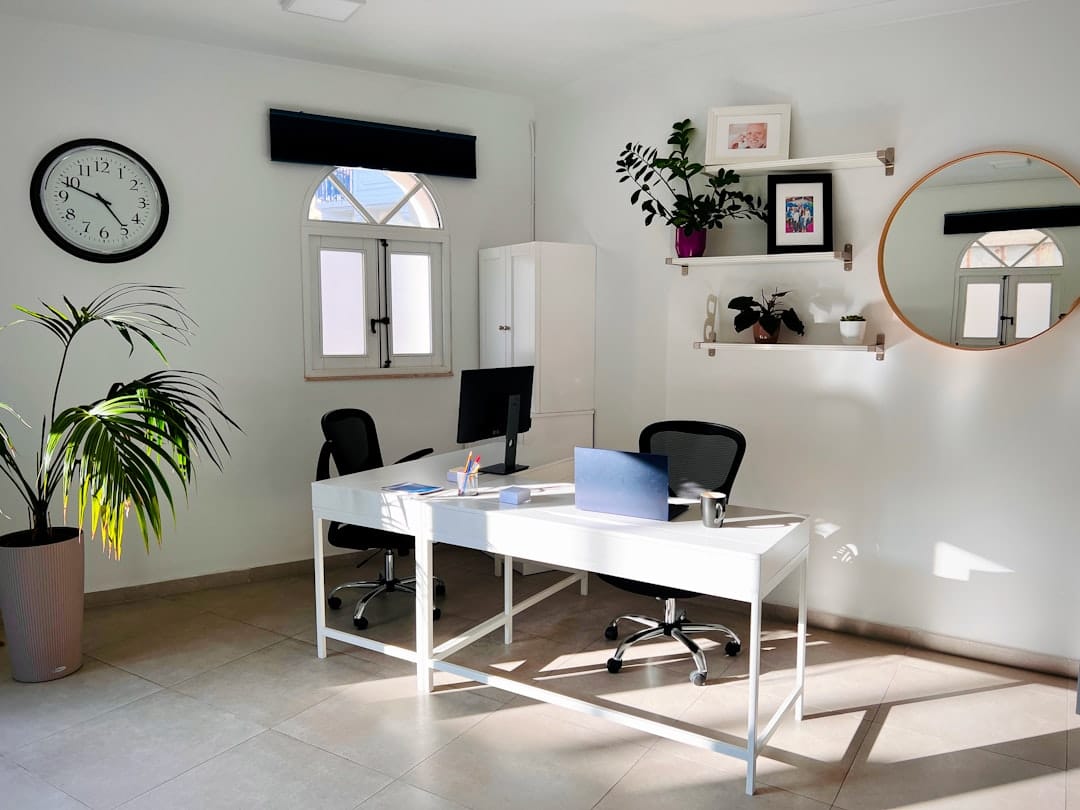
Why a Dedicated Sanctuary Matters More Than You Think
Your brain relies heavily on context to switch modes. When you consistently work in the same well-defined space, you train yourself to focus the moment you arrive there. Conversely, working from the sofa or bed teaches your brain that those spaces are for effort too — which is why so many remote workers struggle to switch off at night.
A sanctuary is not just about productivity, either. It is a boundary. When you close a laptop and leave a designated zone, you are physically ending the workday. This ritual matters enormously for preventing exhaustion, something worth taking seriously given how common remote work burnout has become among location-independent professionals.
The good news is that a sanctuary does not require a large home or a big budget. Experienced remote workers find that the smallest, most deliberate corners often outperform sprawling, cluttered offices. What you are building is a signal — a consistent cue that tells your mind it is time to do meaningful work, and later, time to rest.
Step One: Choose and Define Your Space
Start by auditing your home honestly. Walk through each room and ask three questions: Where does natural light fall during my working hours? Where is the noise lowest? Where can I physically separate work from rest? The answers will usually point you toward a spot you may have overlooked.
If you have a spare room, use it — and commit to using it only for work where possible. If you don't, define your zone with visual boundaries instead. A small rug, a folding screen, a bookshelf, or even a specific chair can mark the edges of your sanctuary. The goal is that when you enter it, both you and anyone you live with understand that focus mode is on.
For those working in tight quarters, the principles of a minimalist home office are your best friend. Keep only what you use daily within reach, and store everything else out of sight. A clear surface reduces decision fatigue and helps your brain treat the space as calm rather than chaotic.
Enjoying this? Get more like it.
Weekly picks for remote workers and digital nomads — tools, destinations, and honest takes, straight to your inbox.
Subscribe free →
Step Two: Build the Physical Foundation
Step Two: Build the Physical Foundation
Comparison of essential furniture and equipment investments for remote work sanctuaries.
| Essential Item | Budget Setup | Mid-Range Setup | Premium Setup |
|---|---|---|---|
| Ergonomic Chair | $150–250 | $300–600 | $800+ |
| Standing Desk | Not included | Manual or basic electric | Programmable electric |
| Monitor Setup | Single 24-inch | Dual 27-inch | Dual 32-inch + arm mounts |
| Lighting Solution | Basic desk lamp | Task + ambient lighting | Professional 3-point setup |
| Noise Management | Partial soundproofing | Door seals + acoustic panels | Full room treatment |
| Best For | Occasional remote work | Full-time remote professionals | Long-term investment priority |
Once your space is defined, invest in the elements that protect your body. Prioritise in this order: chair, desk height, screen position, then everything else. A supportive chair and a screen at eye level will do more for your long-term health than any gadget. If you can only spend money on one thing, spend it on seating.
Layer in ergonomic support next. A laptop stand paired with an external keyboard and mouse instantly improves posture. A footrest, a monitor arm, and wrist support can follow as your budget allows. If you want a structured checklist, the guide to ergonomic home office accessories breaks down what is genuinely worth buying versus what is hype.
Then consider the sensory environment. Lighting has an outsized effect: aim for bright, indirect daylight during the day and warm, low light in the evening. Add a plant or two — greenery measurably reduces stress and softens a workspace. Even colour plays a role, and the way different hues influence focus and calm is worth understanding before you paint a wall or choose your accessories.
Step Three: Design the Rituals and Systems
A sanctuary is as much about behaviour as furniture. Build simple rituals that mark the beginning and end of work. This might be making coffee before you sit down, opening a specific playlist, or writing your top three tasks on paper. These small cues create momentum and reduce the friction of starting.
Just as important is the shutdown ritual. Close your tabs, tidy your desk, and physically leave the space at a set time. This tells your nervous system the day is done. Pair this with the right software so your systems support you rather than scatter your attention. The right time management tools can automate reminders and keep your focus blocks protected.
Manage distractions ruthlessly. Silence non-essential notifications, use website blockers during deep work, and keep your phone in another room when concentration matters most. A sanctuary is defined as much by what you keep out as by what you bring in. Protect the quiet — it is the whole point.
Common Mistakes to Avoid
Common Mistakes to Avoid
Key pitfalls in sanctuary design and how to prevent them with actionable solutions.
| Mistake | Why It Fails | The Fix |
|---|---|---|
| Skipping ergonomic setup | Leads to pain and reduced focus | Invest in chair, desk, monitor arms early |
| Insufficient lighting | Eye strain and fatigue accumulate | Combine task and ambient lighting sources |
| No boundary between work and rest | Constant availability mindset | Define clear entrance/exit rituals |
| Overloading with distractions | Social media and entertainment nearby | Remove or silence non-work devices |
| Neglecting air quality and temperature | Stale air reduces alertness and creativity | Add plants, air purifier, or open windows |
The first common mistake is over-investing in aesthetics before function. A beautiful desk that hurts your back after two hours is a failure, no matter how good it looks in photos. Build for your body and your workflow first, then layer in the visual details that make you happy to be there.
The second is letting the space bleed into your rest areas. If your laptop migrates to the bed or the dinner table, the boundary you worked to build collapses. Keep work equipment inside your sanctuary and resist the temptation to work "just for a minute" somewhere else. Consistency is what makes the mental switch reliable.
The third mistake is treating the setup as permanent. Your needs will change with the seasons, your projects, and even your mood. Review your space every few months and adjust. A sanctuary that evolves with you stays useful; one you never revisit slowly stops working. If you are between homes or travelling, many of these same principles translate to co-living and coworking spaces, where claiming a consistent corner still makes an enormous difference.
Maintaining Your Sanctuary Over Time
A sanctuary decays without maintenance. Set a weekly reset — ten minutes to clear the desk, wipe surfaces, and return everything to its place. Starting Monday in a tidy space is a small act with a big psychological payoff. Treat it as part of the job, not an optional extra.
Pay attention to how the space makes you feel over weeks, not days. If you notice afternoon slumps, adjust your lighting or add a movement break. If you feel restless, introduce more separation between work and rest zones. Your sanctuary should respond to real feedback from your body and mind, not to a fixed ideal you saw online.
Finally, keep it a little sacred. Resist filling every surface, resist letting household clutter creep in, and protect the hours you spend there. The best remote work sanctuaries are not the most expensive or the most photogenic — they are the ones their owners genuinely respect.
Building a remote work sanctuary is a quiet revolution because it happens without fanfare, one deliberate choice at a time. You define a space, protect your body, design your rituals, avoid the obvious traps, and maintain what you build. None of it is complicated, but all of it compounds.
Start with one step this week — even just choosing your spot and clearing the surface. The version of your workday where focus comes easily and switching off feels natural is closer than you think. Build the space, and the rest follows.