Compression Packing Cubes vs. Regular Cubes: The Real Difference
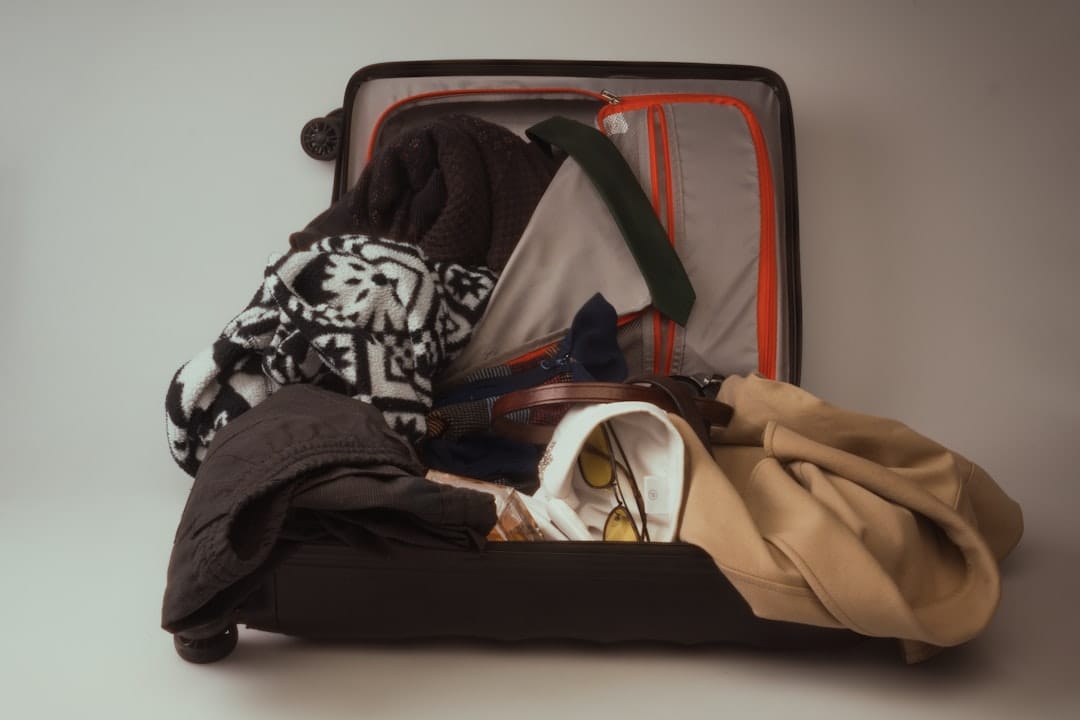
There is a particular moment, familiar to anyone who travels light, when you kneel on a hotel bed at midnight, staring at a pile of clothes and a suitcase that refuses to close. You press down, you fold, you refold, and still the zipper strains. Somewhere in that struggle, the question surfaces: is there a smarter way to do this? For most travellers, the answer arrives in the form of packing cubes — those tidy fabric boxes that promise order out of chaos. But then a second question appears, and it is the one that trips people up: should you buy regular cubes, or the compression kind?
On the surface, the difference sounds trivial. Both keep your bag organised. Both come in matching sets in cheerful colours. Both fit neatly into carry-on luggage. Yet the gap between them is wider than the marketing suggests, and choosing wrong can mean the difference between gliding past the check-in desk with a compact bag and being flagged for an oversized carry-on you swore was fine.
This is a decision worth getting right, especially if you live out of a single bag for weeks or months at a time. So let's slow down and actually look at what separates these two options — not in abstract terms, but in the real texture of packing, unpacking, and living on the move. By the end, you'll know exactly which belongs in your bag.
What Each Type Actually Does
What Each Type Actually Does
Core feature comparison between compression and regular packing cubes.
| Feature | Compression Cubes | Regular Cubes |
|---|---|---|
| Volume reduction | 30–40% savings | No reduction |
| Airtight seal | Yes, vacuum | Open design |
| Quick access | Reseal required | Instant access |
| Durability | 3–5 years typical | 5+ years typical |
| Best for | Long trips, excess luggage | Quick packing, frequent access |
Illustrative figures — composed for shape, not sourced
A regular packing cube is, at heart, a soft rectangular container with a single zipper running around its perimeter. You fold or roll your clothes, slot them inside, zip it shut, and you have a neat module you can lift out of your bag in one motion. The genius is organisational rather than spatial. Your shirts live in one cube, your underwear in another, your electronics accessories in a third. When you arrive somewhere new, you don't unpack a suitcase so much as transfer tidy blocks onto a shelf. Nothing shifts, nothing tangles, and you can find a clean pair of socks without excavating the entire bag.
A compression cube looks almost identical until you notice the second zipper. After you fill it and close the main compartment, that extra zipper cinches the whole cube down, squeezing out the trapped air and flattening the contents. The transformation is genuinely satisfying: a puffy cube of three sweaters becomes a dense, book-thick slab that takes up noticeably less vertical space in your bag. The organisational benefit is the same as a regular cube, but you gain a spatial one on top of it. You are, in effect, vacuum-sealing your clothes with nothing more than a zip.
The critical thing to understand is what compression does and does not change. It reduces volume, not weight. A wool jumper weighs exactly the same squashed as it does fluffy. This distinction matters enormously for air travel, where the constraint is often mass rather than bulk. If you're wrestling with an airline's strict carry-on weight limits, compression cubes won't save you a single gram — but they may let you avoid a second, checkable bag entirely by fitting everything into one.
The Real-World Trade-Offs
Nothing in travel gear comes free, and compression cubes carry a few quiet costs. The most obvious is wrinkles. When you squeeze air out of a cube, you're also pressing folds into your clothes with real force. Cotton shirts and linen come out looking like they've been slept in, which is fine for a hoodie but frustrating for anything you need to look presentable in. Regular cubes, especially if you roll rather than fold, tend to keep garments smoother because nothing is being crushed under pressure.
There's also the matter of temptation. This is the paradox every long-term traveller eventually meets: the more space you free up, the more you're inclined to fill it. Compression cubes make it dangerously easy to justify packing that extra pair of shoes or the just-in-case jacket, and because volume is no longer the limiting factor, you can end up with a bag that's compact but heavy — the worst combination for anyone dashing between gates or hauling luggage up the stairs of a walk-up apartment. Discipline, not gear, is what actually keeps a bag light.
Weight and durability round out the picture. Compression cubes use more material and more zippers, so they're slightly heavier empty and have one more point of potential failure. A blown zipper on a compression cube is more disappointing than on a regular one, because you've lost the whole reason you bought it. That said, quality construction largely solves this, and the best cubes hold up to years of hard use. The trade-off is real, but for most travellers it's a small price for a meaningful gain in capacity.
Enjoying this? Get more like it.
Weekly picks for remote workers and digital nomads — tools, destinations, and honest takes, straight to your inbox.
Subscribe free →
How to Choose Based on How You Travel
The right choice depends less on the cubes themselves and more on the shape of your travel. If you move often — a new city every week, budget flights with tight allowances, backpack rather than roller — compression cubes tend to earn their keep. Bulky items are usually the enemy of the fast-moving traveller, and the ability to crush down a puffer jacket or a week of merino base layers into a fraction of their volume can be the thing that keeps you carry-on only. For anyone embracing a minimalist, one-bag lifestyle, that space saving is transformative.
If you travel slowly, however, the calculus changes. When you settle into a place for a month, unpack fully, and hang your clothes in an actual wardrobe, the wrinkle penalty of compression starts to outweigh the space benefit. Regular cubes shine here: they're gentler on fabrics, quicker to open and close during a long stay, and perfectly adequate when you're not fighting for every cubic inch. If your rhythm leans toward the unhurried — the kind described in guides to the best slow travel cities for digital nomads — regular cubes may serve you better and cheaper.
Climate matters too. Cold-weather clothing is where compression truly pays off, because it's the bulkiest and most air-filled category you'll ever pack. A trip through winter destinations almost demands compression if you want to stay carry-on. Warm-weather travel, by contrast, involves thin, light garments that barely benefit from squeezing — a stack of t-shirts and shorts compresses very little because there's almost no air to remove. Match the tool to the wardrobe you actually carry.
A Practical System That Uses Both
Here's the secret that seasoned travellers rarely spell out: you don't have to pick a side. The most effective packing systems mix both types, assigning each to the job it does best. Use compression cubes for the bulky, wrinkle-tolerant items — jumpers, hoodies, fleece, spare jeans, workout gear, anything you don't mind creasing. Use regular cubes for the things you want to stay smooth and reach quickly: shirts you'll wear to meetings, delicate fabrics, and the small daily-access items like underwear and socks that you open every single day.
This hybrid approach also solves the temptation problem. Reserve compression only for a defined category of bulky clothing, and you stop yourself from endlessly cramming more into the freed-up space. The regular cubes act as a natural volume check for everything else. Quality is worth paying for on both fronts — look for burly zippers, tear-resistant fabric, and mesh panels that let you see contents at a glance. Trusted brands make a genuine difference over years of use, and it's worth reading a focused roundup like this guide to the best Osprey packing cubes for travel before you commit.
One final tip that transforms the whole system: keep a single empty cube as your dirty-laundry container. As clean clothes leave the other cubes and worn ones accumulate, the balance shifts through your trip without ever mingling clean and dirty. Whether that laundry cube is compression or regular is up to you, but a compression one lets you squash a growing pile of worn clothes back down to size — a small daily satisfaction that keeps your bag orderly right up to the last day.
So the real difference between compression and regular cubes isn't quality or cleverness — it's purpose. Regular cubes buy you order and gentleness; compression cubes buy you space at the cost of a few wrinkles. Neither is universally better, and the travellers who pack most efficiently understand this well enough to carry both, each earning its place through the job it does.
Start with how you actually move through the world. If your life is fast, cold, and bag-constrained, lean into compression. If it's slow, warm, and settled, regular cubes will serve you beautifully. And if you're somewhere in between — as most of us are — build a small hybrid kit and let each cube do what it was made to do. That midnight struggle with an uncooperative zipper doesn't have to be part of the journey. With the right system, the bag simply closes, and you're free to go.