Roll vs Fold Clothes in Compression Cubes
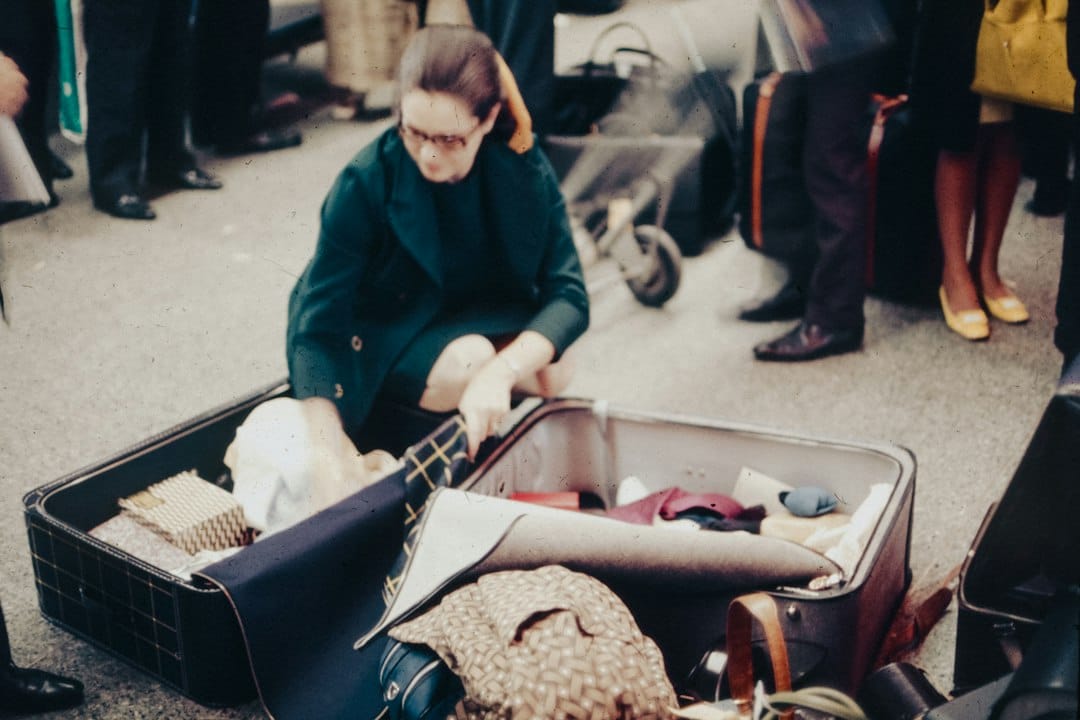
There's a particular moment every traveller knows well. You're crouched over an open bag in a hostel dorm or a rented apartment, sunlight slicing through unfamiliar curtains, trying to make everything you own fit into a space smaller than a kitchen drawer. The clock is ticking toward a checkout time, and somewhere in that pile of fabric lies the eternal question that quietly divides the packing world: should you roll your clothes, or fold them?
It sounds like a small thing, almost too small to write about. But when you live out of a single carry-on for weeks or months at a stretch, the difference between rolling and folding is the difference between a bag that closes with ease and one that fights you at every zip. Compression cubes have added a new dimension to the debate — a way to squeeze air out of your wardrobe and reclaim precious volume — but they've also raised fresh questions about which technique actually pairs best with them.
So let's settle in and think it through properly. Not with a rigid list of rules, but with the honest, hands-on experience of someone who has packed and repacked more times than they can count. By the end, you'll know exactly how to organise your bag so that arriving in a new city feels less like a chore and more like the beginning of something good.
What Compression Cubes Actually Do to Your Clothes
What Compression Cubes Actually Do to Your Clothes
Comparison of fabric outcomes under compression cube storage across garment categories.
| Fabric Type | Rolled Method | Folded Method | Hybrid Method |
|---|---|---|---|
| Cotton T-shirts | Minimal wrinkling | Light creasing | Wrinkle-free |
| Silk Blouses | Risk of creasing | Recommended | Optimal |
| Denim Jeans | Excellent fit | Fold pressure | Best option |
| Knitwear | Prone to marks | Preferred method | Recommended |
| Compression Efficiency | Maximum space | Moderate savings | Best balance |
Illustrative figures — composed for shape, not sourced
Before we can argue about rolling versus folding, it's worth understanding what a compression cube is really doing inside your bag. A standard packing cube simply corrals your clothing into a tidy rectangle — helpful for organisation, but it doesn't shrink anything. A compression cube goes further. It has a second zip that, once pulled, forces the trapped air out of the cube and cinches the whole bundle down to a fraction of its original height. What was a puffy mound of merino and cotton becomes a dense, flat brick you can stack like books on a shelf.
That compression is the whole point, and it changes the maths of packing entirely. Air is the enemy of the carry-on traveller. Every gap between garments is wasted space, and compression cubes are designed to eliminate as much of it as possible. When you understand this, the roll-versus-fold question reframes itself: the winning technique isn't necessarily the one that looks neatest on your bed, but the one that leaves the fewest pockets of air for the cube to squeeze out.
There's a catch worth naming early. Compression saves volume, but it does nothing for weight — a squashed pile of clothes weighs exactly the same as a loose one. If you're flying budget airlines with strict allowances, remember that the scales don't care how neatly you packed. It's worth reading up on how carry-on weight limits actually work before you assume a compression cube has solved all your problems, because it hasn't; it's simply made your bag smaller, not lighter.
The Case for Rolling: Space, Wrinkles, and Speed
Rolling has long been the darling of backpackers and minimalist travellers, and for good reason. When you roll a t-shirt or a pair of leggings into a tight cylinder, you eliminate most of the internal air pockets before the cube even does its job. Tightly rolled garments tessellate beautifully, filling corners and slotting against one another with very little wasted space. For soft, stretchy, and thin fabrics — jersey tees, synthetic activewear, underwear, socks — rolling is close to unbeatable.
There's also a surprising wrinkle benefit, provided you roll firmly. A loose roll invites creases, but a tight one distributes tension evenly and leaves fewer sharp fold lines than a stack of folded shirts might. Add compression on top and the fabric is held so snugly that it has little room to shift and crumple in transit. Many long-term travellers swear their rolled clothes come out looking better than they went in — a small miracle when you're heading straight from the airport to a coworking desk.
Rolling also wins on visibility and speed. When rolls stand upright in a cube like a row of colourful scrolls, you can see every item at a glance and pull one out without disturbing the rest. For anyone living the location-independent life and unpacking in a new place every week or two, that ease of access matters more than you'd expect. The less you have to dig, the less your bag descends into chaos, and the more mental energy you keep for the actual adventure.
Enjoying this? Get more like it.
Weekly picks for remote workers and digital nomads — tools, destinations, and honest takes, straight to your inbox.
Subscribe free →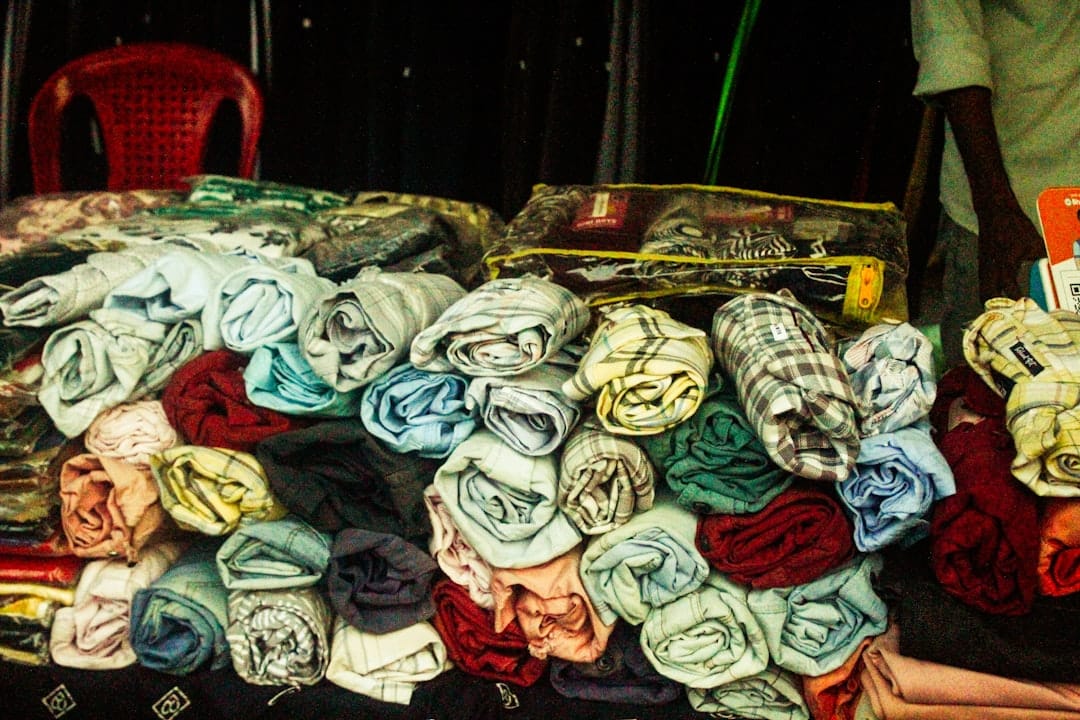
The Case for Folding: Structure, Delicates, and Compression Synergy
Folding gets unfairly dismissed as the old-fashioned choice, but it has genuine advantages — especially once compression enters the picture. Here's the counterintuitive truth: with a good compression cube, folding can actually match or beat rolling on space. Flat-folded garments create smooth, even layers with no ridges or gaps between cylinders. When the compression zip pulls everything down, those flat layers collapse into a remarkably dense, uniform block with almost no trapped air. Rolls, by contrast, always leave tiny triangular gaps where the cylinders meet.
Folding also protects structured and delicate items in a way rolling simply can't. Button-down shirts, linen trousers, blazers, and anything with a defined shape hold their form far better when folded along their natural seams. Rolling a crisp cotton shirt is a recipe for a mess of small crumples across the whole garment, whereas a careful fold — collar aligned, sleeves tucked back — keeps it presentable. For remote workers who occasionally need to look the part on a video call or a client dinner, this matters.
The synergy between folding and compression is what makes it a serious contender rather than an afterthought. Because folded stacks are flat and stable, they compress evenly without shifting or bulging at odd angles. A cube packed with neat folds squashes into a tidy rectangle every time; a cube stuffed with rolls sometimes compresses into a lumpy, uneven shape that's harder to stack against your bag's flat walls. If your goal is a perfectly rigid, brick-like carry-on, folding plus compression is a formidable combination.
The Hybrid Method Experienced Travellers Actually Use
Here's the secret that renders the whole debate a little silly: the most experienced travellers don't choose one method at all. They use both, matched to the fabric and the cube. Soft, casual, wrinkle-resistant items get rolled and packed together — think tees, gym gear, sleepwear, and socks tucked into the gaps. Structured and delicate pieces get folded and given their own cube where they can lie flat and undisturbed. This way each garment is treated according to its nature, and the compression cube does its best work in both cases.
A practical routine looks something like this. Dedicate one compression cube to rolled essentials — the everyday clothes you reach for constantly and don't mind being slightly casual. Reserve a second cube for folded items you want to keep crisp. Then use the smaller odds and ends — scarves, spare underwear, a swimsuit — to fill any lingering gaps before you pull the compression zip. A well-filled cube compresses far more effectively than a half-empty one, so eliminating dead space before you cinch it down is where the real magic happens.
Quality matters here too, and it's worth investing in cubes that will survive the punishment of constant travel. Cheap zips are the first thing to fail on a compression cube, and a broken zip mid-trip defeats the entire purpose. If you're building a system you'll rely on for months, it pays to look at durable, well-reviewed options — the best Osprey packing cubes for travel are a popular starting point for anyone serious about a long-haul carry-on setup.
Common Mistakes That Sabotage Your Compression
The first and most common mistake is over-compressing everything into a single monstrous cube. It feels efficient in the moment, but a rock-hard slab of clothing is impossible to unpack partially — you either dismantle the whole thing to reach one shirt, or you live out of the top layer while the rest ferments below. Compression rewards restraint. Two or three moderately packed cubes are far more usable than one crushed to its absolute limit, and they let you organise by category rather than by chaos.
Another frequent error is compressing damp clothes. It's tempting after a rushed morning to stuff a slightly humid towel or a not-quite-dry base layer into a cube and cinch it tight. Don't. Compressed damp fabric has nowhere to breathe, and within a day or two you'll open the cube to a musty smell that clings to everything and takes several washes to remove. Always let items dry fully, and if you're carrying anything genuinely wet, keep it in a separate waterproof pouch well away from your compressed clothing.
Finally, watch the mistake of ignoring your delicates and knitwear. Heavy compression can permanently distort the shape of wool jumpers and stretch out anything with elastane if left crushed for weeks on end. Give these pieces a gentler cube and less aggressive compression, or fold them with a little breathing room. And remember that the mental clarity of a well-organised bag feeds directly into the rest of your life on the road — the same discipline that keeps you from burning out as a remote worker starts with the small, calming rituals of a tidy carry-on.
So which is better — rolling or folding? The honest answer is that the question itself is a false choice. Rolling shines for soft, casual, everyday fabrics and for quick access, while folding protects structured pieces and, when paired with a good compression cube, produces astonishingly dense, stackable results. The travellers who pack fastest and live lightest simply learn to read each garment and treat it accordingly, then let the compression do the heavy lifting.
Try both on your next trip. Fold one cube, roll another, compress them side by side, and see which suits your wardrobe and your rhythm. Packing is one of the few parts of nomad life you can perfect entirely on your own terms, and once you find your system, that crouched-over-the-bag moment stops being a chore. It becomes a quiet, five-minute ritual — the last thing you do before the next place, and the next chapter, begins.