Packing Carry On Only for Europe Travel (Minimalist Capsule Wardrobe)
There is a particular kind of freedom that arrives the moment you walk past the baggage carousel without slowing down. While other travellers cluster around the conveyor belt, watching for a suitcase that may or may not have made the connection in Frankfurt, you are already outside, breathing in the diesel-and-espresso air of a new city, map open, nothing between you and the cobblestones but a single bag on your back. Carry-on-only travel through Europe is not a sacrifice. It is, once you learn its quiet logic, one of the great upgrades of the location-independent life.
The appeal goes deeper than skipping the queue. Europe is built for people who travel light. The narrow staircases of a fourth-floor Lisbon walk-up, the gap between train and platform in a Tuscan village station, the budget airline that charges more for checked luggage than it does for the flight itself — all of these reward the traveller who has learned to carry less. And for the remote worker hopping between cities every few weeks, a wardrobe that fits in forty litres is not just convenient. It is the difference between travel that energises you and travel that grinds you down.
What follows is not a list to memorise but a way of thinking. Minimalist packing travel is fundamentally about choosing a system — a small set of garments that work together, wash easily, and adapt across a continent of climates and contexts. Build that system once, and you will pack for every trip after in twenty minutes flat, with nothing left over and nothing forgotten.
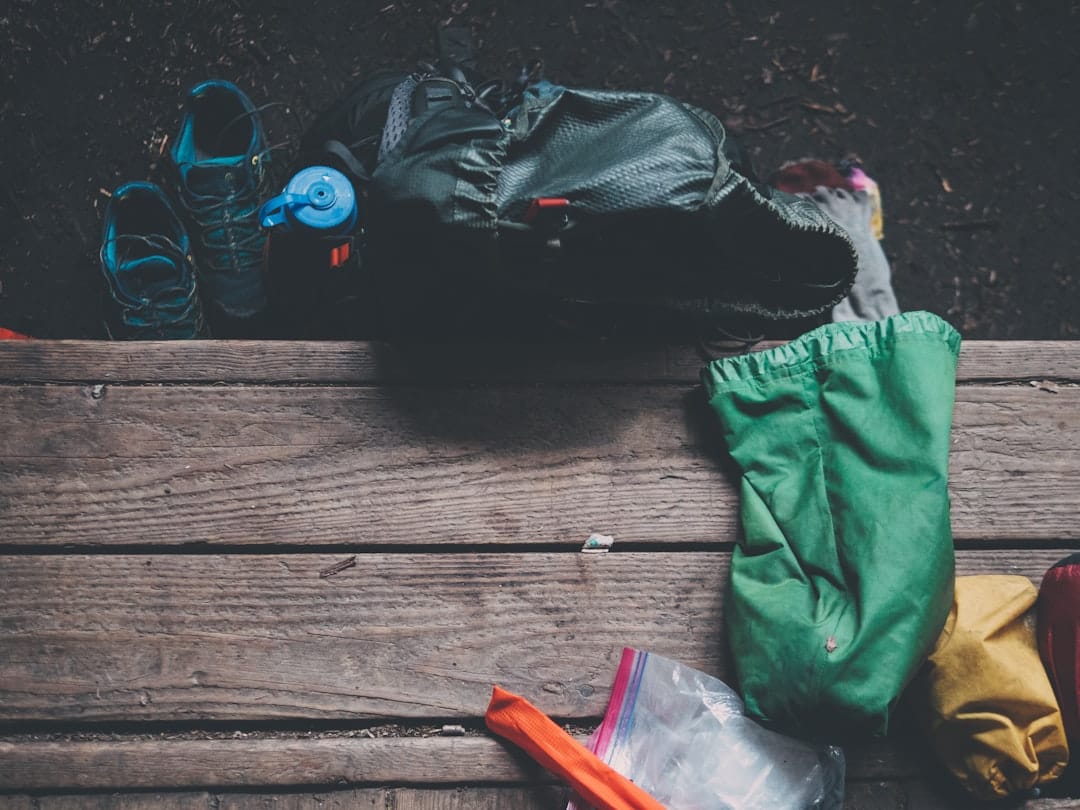
The Capsule Mindset: Fewer Pieces, More Outfits
The heart of a carry-on wardrobe is the capsule: a tightly curated collection of clothes that all speak the same visual language. The trick is colour discipline. Choose a base of two neutrals — say, navy and charcoal, or black and stone — and allow yourself one or two accent colours that flatter you. When every top works with every bottom, a dozen garments quietly become thirty or forty distinct outfits. You are not packing for each day; you are packing a kit that recombines endlessly.
Think in layers rather than occasions. Europe in a single week can swing from a sun-warmed afternoon on a canal-side terrace to a wind that cuts straight through you on an evening tram platform. Instead of packing a separate outfit for warm days and cold ones, build a stack: a breathable base layer, a versatile mid layer like a merino sweater or a structured overshirt, and one packable shell that handles rain and wind. Peel off and add back as the day moves. This is how you cover thirty degrees of temperature range with three garments instead of nine.
Material matters more than quantity. Merino wool is the quiet hero of carry-on travel — it regulates temperature, resists odour for days, and dries overnight on a radiator. Technical synthetics and merino blends let you wash a shirt in a sink in Porto and wear it again in Seville two days later. The traveller who masters fabric stops thinking in terms of how many days a trip lasts. A well-chosen capsule handles a long weekend and a six-week slow-travel circuit with the same ten or twelve pieces.
Building Your European Capsule, Piece by Piece
Building Your European Capsule, Piece by Piece
Core capsule wardrobe items ranked by versatility, layering potential, and travel durability.
| Item | Versatility | Layering | Durability |
|---|---|---|---|
| Neutral T-shirts | Essential | Base layer | High |
| Dark jeans | Essential | Mid layer | Very high |
| Linen blazer | High | Outer layer | Very high |
| Lightweight cardigan | High | Mid–outer layer | High |
| Neutral trousers | High | Base layer | Very high |
| Statement scarf | Medium | Accessory | Very high |
Start from the feet, because shoes are the single biggest threat to a carry-on bag. You get two pairs, maximum, and ideally you wear the bulkier pair on the plane. One should be a comfortable, walkable shoe that still looks presentable enough for a restaurant — a clean leather sneaker or a minimalist trainer in a muted colour does the job across most European cities. The second pair, packed flat, might be a pair of sandals in summer or lightweight boots in shoulder season. Resist the urge to pack a third "just in case" pair. That case almost never arrives.
For the core wardrobe, a reliable formula is five tops, two or three bottoms, one warm layer, and one shell. The tops should range from a couple of plain t-shirts to one or two collared or smarter options that work for video calls and dinners alike — remote workers live a double life between the laptop and the wine bar, and the wardrobe has to honour both. Two bottoms might be a pair of dark, wrinkle-resistant trousers that read as smart-casual and a more rugged pair for walking and travel days. Add enough underwear and socks for roughly five to seven days, because you will be washing as you go regardless of trip length.
The bag itself deserves real thought. A structured 35-to-40-litre backpack that meets the strictest budget-airline dimensions is the European traveller's best friend, since it slides under a seat or into the meanest overhead bin without a single euro of penalty. Packing cubes turn chaos into order: one for tops, one for bottoms, one for underwear and electronics cables. The discipline of cubes also tells you the truth — if everything no longer fits, you are over-packing, and the bag will not lie to you the way an oversized suitcase will. For the broader rhythm of moving between cities every few weeks, it helps to read up on the principles of a sustainable nomad lifestyle so the packing serves the life rather than the other way around.
Enjoying this? Get more like it.
Weekly picks for remote workers and digital nomads — tools, destinations, and honest takes, straight to your inbox.
Subscribe free →
The Mistakes That Sink a Carry-On
The most common error is packing for the trip you imagine rather than the trip you will actually take. There is a seductive fantasy version of every journey — the elegant dinner that demands a blazer, the impromptu hike that requires technical gear, the beach day in a city you will spend entirely in museums. These hypothetical days fill bags with clothes that come home unworn. The fix is brutally simple: lay everything out, then remove a third of it. You will not miss what you leave behind, and almost anything you genuinely need can be bought in a European high street within an hour.
The second mistake is ignoring the wash cycle. Travellers who pack seven days of clothes for a seven-day trip have planned for failure, because they have left no margin for the spilled coffee, the rain-soaked afternoon, or the simple reality that you will sweat through a shirt in a Roman summer. Pack for four or five days and plan to wash. A small bottle of travel detergent, a universal sink stopper, and a length of paracord for a clothesline weigh almost nothing and free you from the tyranny of the duplicate. Many co-living spaces and apartments include laundry, which is one more reason to factor accommodation into your packing strategy.
A third, sneakier trap is the toiletry bag, which expands to fill whatever space it is given. Full-size bottles are dead weight; most European pharmacies and supermarkets stock everything you could need, often in better local brands than you packed. Decant essentials into 100-millilitre containers to stay within liquid limits, and lean on solid alternatives — bar shampoo, solid sunscreen, a toothpaste tablet tin — which sidestep the liquids rule entirely and never leak across your clean clothes at thirty thousand feet.
Dressing for the Continent and the Camera
Europe is not one climate or one dress code, and a good capsule bends to both. A spring circuit that takes in chilly mornings in Prague, mild afternoons in Vienna, and warm evenings along the Adriatic asks for layering above all. Shoulder seasons are kindest to the carry-on traveller, because the mid layer that keeps you warm at breakfast is exactly the one you tie around your waist by lunch. High summer in the Mediterranean flips the equation toward breathable linen and light cotton, while a winter run through the northern capitals justifies one genuinely warm packable down layer that crushes to the size of a melon.
There is also a cultural register to read. Many European cities lean a touch more polished than the typical traveller expects, and a smart-casual core — dark trousers, a clean knit, presentable shoes — lets you slip into a wine bar in Bordeaux or a gallery opening in Berlin without feeling underdressed. Churches and cathedrals often expect covered shoulders and knees, so a single light scarf earns its place in the bag many times over: it covers up in a basilica, warms you on a night train, and dresses up an otherwise plain outfit. The remote worker has a second audience too — the webcam. One reliably camera-ready top means you are never scrambling to look professional for a client call from a kitchen table in Kraków.
Finally, let your itinerary shape the edges of the capsule. A trip built around long stays in a handful of cities lets you travel lighter still, since stable bases make laundry and resupply effortless. If you are mapping out where to settle for a few weeks at a time, browsing affordable slow-travel cities for digital nomads helps you anchor the wardrobe to the climate and culture you will actually inhabit, rather than the whole continent at once.
Keeping the System Alive Over the Long Haul
A capsule is a living thing, and the longer you travel the more it wants to drift. Souvenirs creep in, an impulse-bought jacket arrives, a worn-out shirt lingers past its usefulness. The discipline that built the bag has to keep maintaining it. A useful rule for the long-term traveller is one-in, one-out: every new garment that joins the bag means an old one leaves, donated or posted home. The bag stays the same weight in month six as it was on day one, and the freedom that drew you to carry-on travel never quietly erodes.
It helps to do a small audit every few weeks, ideally when you change cities and have everything out of the bag anyway. Notice what you have not worn since the last move and ask honestly whether it earns its space. The capsule that travels with you should be the one you actually reach for, not the aspirational one you packed at home. Over time you will develop an almost intuitive sense of your own minimum — the precise set of pieces below which you feel constrained and above which you feel weighed down. Finding that line is the real skill, and it is personal to you.
Packing carry-on for Europe is, in the end, a small daily declaration of values. It says you would rather move freely than own much, that your energy belongs to the journey rather than the luggage, that the next train, the next staircase, the next spontaneous detour will find you ready. The capsule is just the mechanism. The real reward is the lightness — physical and otherwise — that comes from carrying exactly what you need and nothing more.
Build the system once, trust it, and let it free you. The cobblestones are waiting, and you will reach them long before the baggage carousel even starts to turn.