Stop Overpacking! How I Pack for 2 Weeks in Just a Carry On in Winter
Winter travel and carry-on-only packing sound like a contradiction. Bulky coats, heavy boots, layers upon layers — surely two weeks of cold-weather travel demands a checked bag the size of a small refrigerator? Not even close. With the right strategy, carry on only travel packing is entirely doable in winter, and it might just transform the way you move through the world.
The secret isn't owning expensive ultralight gear (though it helps). It's a mindset shift: every item earns its place, or it stays home. Remote workers who travel light gain a superpower — no baggage carousels, no lost luggage, no airline fees, and the freedom to sprint between gates or hop a train without dragging a wheeled monster behind you.
This guide breaks down exactly how to fit two weeks of winter clothing, tech, and essentials into a single carry-on. Expect a repeatable system, the common traps that sabotage everyone, the gear actually worth buying, and a few destination-specific tweaks. By the end, overpacking will feel like a habit you've happily outgrown.
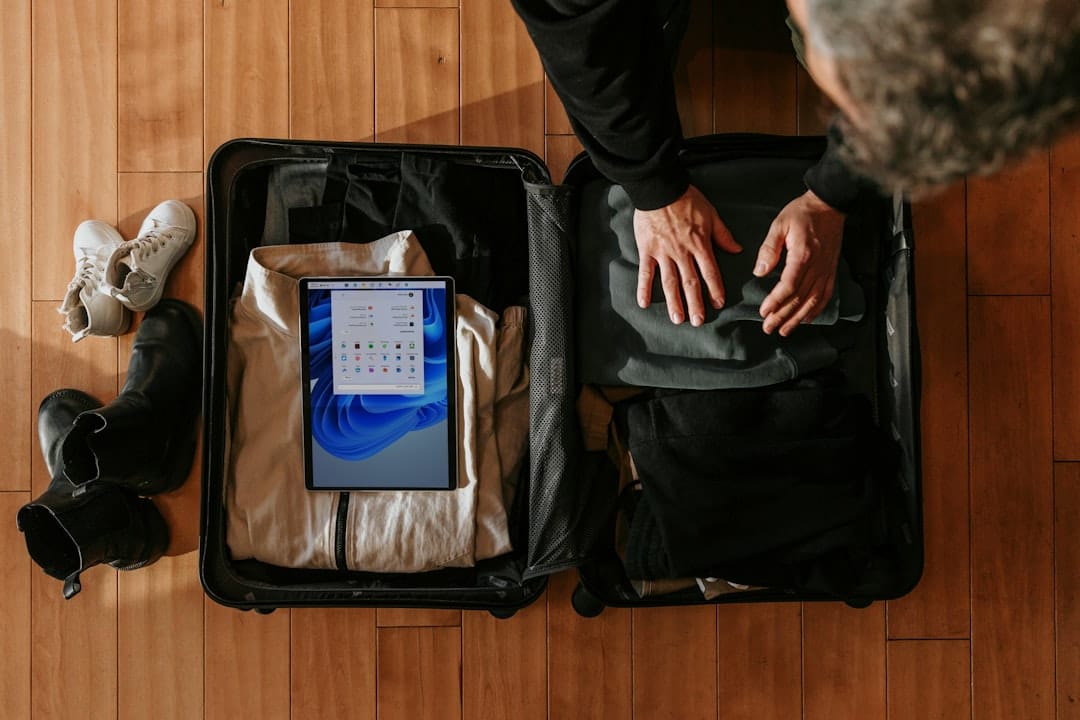
Why Carry-On Only Wins, Even in Winter
The most obvious benefit is time. When your whole life fits in an overhead bin, you skip baggage check on the way out and the carousel on the way back. For digital nomads who move between cities every few weeks, those saved minutes compound into hours — and a lot less stress. There's also the financial angle: budget airlines love charging for checked bags, and those fees can quietly double the cost of a cheap flight.
Then there's the mobility factor. Winter destinations often mean icy cobblestones, train platforms, and apartment buildings without lifts. Hauling a 23kg suitcase up four flights of stairs in a centuries-old building is nobody's idea of a good arrival. A lean carry-on keeps you nimble, whether you're navigating a snowy old town or catching a connecting bus to a mountain co-living space.
Crucially, packing light forces clarity. When space is finite, you stop bringing the "just in case" items that never leave the bag. Most travellers wear roughly 20% of what they pack — the carry-on constraint simply makes that 20% the entire wardrobe. Embracing this minimalism aligns neatly with the broader principles of the digital nomad lifestyle: own less, move more, and let experiences outweigh possessions.
The Layering System That Replaces a Suitcase of Coats
Winter warmth comes from layers, not bulk. The proven formula is three tiers: a base layer that wicks moisture, a mid layer that traps heat, and an outer shell that blocks wind and rain. Master this and you can stay warm at -10°C with surprisingly little fabric, because air trapped between thin layers insulates far better than one heavy garment ever could.
For base layers, merino wool is the unsung hero. It's warm, breathable, packs down tiny, and — most importantly — resists odour, so you can wear the same top several days running without offending anyone. Two merino tops and two pairs of merino socks will carry you through a fortnight. For the mid layer, a packable down or synthetic puffer compresses to the size of a water bottle and adds enormous warmth for almost no weight.
The outer shell is your single bulkiest item, so wear it on the plane rather than packing it. A good waterproof shell over a puffer handles everything from drizzle to snow. Round it out with a versatile neutral colour palette — think charcoal, navy, and black — so every piece mixes and matches. Five tops, two bottoms, and a handful of accessories can generate more than a week of distinct outfits when everything coordinates.
Enjoying this? Get more like it.
Weekly picks for remote workers and digital nomads — tools, destinations, and honest takes, straight to your inbox.
Subscribe free →
Common Overpacking Mistakes (And How to Dodge Them)
Common Overpacking Mistakes (And How to Dodge Them)
Most common winter packing mistakes and smart alternatives that save weight and space.
| Mistake | Problem | Smart Alternative |
|---|---|---|
| Multiple heavy coats | Takes 40% of luggage | One packable + layers |
| Bulky cotton sweaters | Wrinkles easily, heavy | Merino wool blends |
| Separate items per day | Doubles clothing volume | Mix-and-match capsule |
| Full toiletry bottles | Exceeds carry-on limits | Travel-size or bars |
The biggest mistake is packing for imaginary scenarios. The gala dinner you might attend, the snowstorm that might hit, the hiking trip you might take — these "maybes" add weight for events that rarely happen. If you genuinely need a formal outfit or specialised gear, buy or rent it on arrival. For everything else, trust that a versatile core wardrobe will adapt.
Another classic trap is overpacking shoes. Footwear is heavy and space-hungry, yet most people throw in three or four pairs. In winter, one pair of waterproof, comfortable boots that you wear in transit covers walking, light hiking, and casual evenings. Add one compact secondary option only if a specific need demands it. Toiletries are a similar offender — full-size bottles of everything you own. Decant into travel containers, or better yet, rely on solid alternatives like shampoo bars that skip the liquids limit entirely.
Finally, don't forget that laundry exists everywhere. Packing two weeks of clothing because you refuse to wash anything is the surest route to a bursting bag. A single mid-trip laundry session — at a launderette, your accommodation, or many co-living spaces with shared facilities — instantly halves the clothing you need to carry. Pack for one week, wash once, repeat.
The Gear Worth Investing In
Start with the bag itself. A structured 40-litre carry-on or travel backpack that maximises the legal cabin dimensions is the foundation of the whole system. Backpack-style carriers win for stairs and cobblestones, while wheeled options spare your shoulders on long airport walks — choose based on your typical destinations. Whatever you pick, make sure it actually meets the size limits of the airlines you fly most.
Packing cubes and compression bags are non-negotiable. Compression cubes squeeze the air out of bulky knits and puffers, often reclaiming a third of your space. They also keep your bag organised, so you're not unpacking everything to find one sock. Add a few merino base layers and a quality packable puffer, and you've covered the items that deliver the highest warmth-to-weight ratio on the market.
For remote workers, the tech kit deserves its own discipline. A lightweight laptop, a universal adapter, a compact power bank, and a single multi-port charging cable handle most needs without a tangle of bricks. Keep your work essentials lean and reliable — and if you're refining your broader mobile setup, our roundup of must-have tools for a seamless remote work routine pairs perfectly with a minimalist packing philosophy.
Destination-Specific Tweaks for Cold-Weather Trips
Not all winters are equal, so calibrate to your destination. A damp European city winter — think Lisbon, Porto, or coastal Spain — rarely drops below freezing, meaning a light puffer and a waterproof shell are plenty. In these milder climates you can shave weight by skipping heavy thermals entirely and leaning on a good rain layer instead, which frees up space for a couple of smarter outfits.
Genuinely cold destinations — alpine towns, Nordic cities, or anywhere with real snow — call for stronger thermals, insulated gloves, and a warm hat. These accessories weigh little but make an outsized difference, and because they're small, they fit a carry-on easily. The trick is reserving precious bag space for warmth-critical items while keeping the rest of your wardrobe intentionally minimal.
If you're heading somewhere mild, consider chasing the sun instead. Many digital nomads pivot their winter to warmer hubs entirely, swapping snow for affordable coworking by the coast. Our guide to slow travel cities for budget-conscious nomads is full of destinations where a carry-on of light layers is genuinely all you need — and a few of them barely qualify as winter at all.
Packing for two weeks of winter in a single carry-on isn't a magic trick — it's a system. Master the three-layer approach, lean on merino and compression cubes, wear your bulkiest items in transit, and build everything around a coordinated colour palette. Wash once mid-trip, resist the "just in case" temptations, and trust that you can buy or rent anything truly exceptional on arrival.
The payoff is freedom. Once you've experienced gliding past baggage claim, sprinting to a connection, and climbing a fifth-floor walk-up without breaking a sweat, you'll never want to go back. Overpacking is a habit — and like any habit, it can be unlearned. Pack light this winter, and let the world feel a little lighter too.