13 Subtle Details You Need to Look for When Packing for Carry-on Travel
There is a particular kind of freedom that arrives the moment you walk past the baggage carousel without slowing down. While other travellers cluster around the conveyor belt, watching for a suitcase that may or may not have made the connection, you simply keep moving — out the doors, into the warm air, into the city. Carry-on only travel is not just about packing less. It is about moving through the world with a lightness that changes the entire texture of a trip.
But the difference between a carry-on trip that feels effortless and one that feels like a punishment rarely comes down to the obvious stuff. Everyone knows to pack fewer shirts and to roll instead of fold. The real magic — and the real failures — live in the subtle details. The hidden seam that frays after one wash. The charger that draws too many watts. The bag that fits the dimensions on paper but bulges past the gate sizer in practice. These are the small things that separate seasoned carry on only travel packing from the chaotic last-minute scramble.
What follows is a closer look at the thirteen quiet details that experienced minimalist packers obsess over — the ones that rarely make it onto the standard checklists. Read them slowly. Some will seem almost too small to matter until the moment they save your trip.
The Bag Itself: What the Dimensions Don't Tell You
The Bag Itself: What the Dimensions Don't Tell You
Key carry-on bag features and how they perform across different travel styles.
| Feature | Weekend Trip | 2-Week Tour | Digital Nomad |
|---|---|---|---|
| Expandable Capacity | Not needed | Highly recommended | Essential |
| Wheel Quality | Standard | Premium 4-wheel | Premium 4-wheel |
| Compression Straps | Optional | Recommended | Highly recommended |
| Organization Pockets | Basic | Moderate | Extensive |
| TSA-Approved Lock | Optional | Recommended | Essential |
| Best Choice | Soft-sided bag | Hybrid bag | Rigid shell trolley |
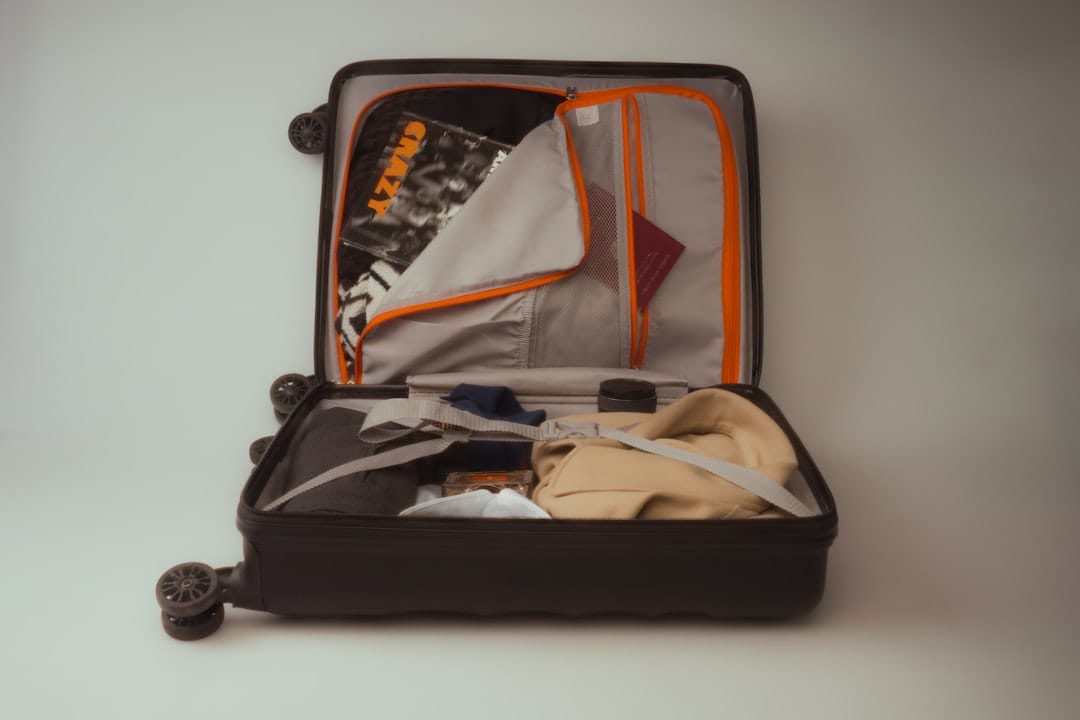
The first subtle detail hides in plain sight: the bag. Most people choose a carry-on by checking the headline measurements against an airline's stated limit, then call it done. But the number printed on the spec sheet often describes the bag empty and flat, not the swollen reality of a fully loaded case. A soft-sided bag packed to capacity can balloon two or three centimetres past its measured depth, and that is exactly the margin a gate agent's metal sizer is designed to catch. The smarter move is to choose a bag a touch under the maximum, leaving room for the inevitable expansion.
Then there is the matter of wheels versus none. Wheeled cases are wonderful on smooth airport floors and miserable on cobblestones, sand, or the third-floor walk-up of a guesthouse with no lift. The wheels and their housing also eat into your usable internal volume — sometimes by several litres — and add weight before you have packed a single sock. For anyone leaning into slow travel and unpredictable terrain, a well-designed backpack often carries more, weighs less, and frees both hands for a coffee and a phone showing directions in a language you cannot read.
Pay attention, too, to where the bag opens. A clamshell design that unzips fully like a book lets you see and access everything at once, while a top-loading bag forces you to excavate. And weigh the empty bag before you commit. A heavy, over-engineered case with thick metal frames and a dozen compartments can consume a third of a budget airline's weight allowance with nothing inside it. The lightest reliable bag you can find is almost always the right one.
Fabric, Fibres, and the Quiet Art of Re-Wearing
The single biggest lever in carry-on packing is not how many clothes you bring but what those clothes are made of. Fabric is where the subtle details multiply. Merino wool, for instance, can be worn for days without developing odour, dries quickly overnight, and regulates temperature whether you are in a chilly mountain town or a humid coastal café. A few well-chosen merino layers can replace a week's worth of cotton, which holds smells, wrinkles deeply, and takes an age to dry in a humid room.
Look closely at how a garment is finished. Turn it inside out before it goes in the bag. Are the seams flat-locked and clean, or already pulling loose? Does the fabric crush in your fist and stay crumpled, or spring back smooth? Synthetic-natural blends often hit the sweet spot for travel: wrinkle-resistant, fast-drying, and forgiving of repeated wear. Dark and mid-tone colours hide stains and pair easily, while a single bright piece can lift an otherwise muted capsule for the days when a photo or a meeting calls for it.
The goal is a small, interlocking wardrobe where every top works with every bottom and at least one layer can be dressed up or down. When you build around fabrics that re-wear gracefully, you stop packing for every possible day and start packing for a rhythm of wash, dry, repeat. That rhythm is the secret engine of long-term carry-on travel, and it pairs naturally with the unhurried pace of the kind of slow travel destinations where you stay long enough to actually do laundry.
Enjoying this? Get more like it.
Weekly picks for remote workers and digital nomads — tools, destinations, and honest takes, straight to your inbox.
Subscribe free →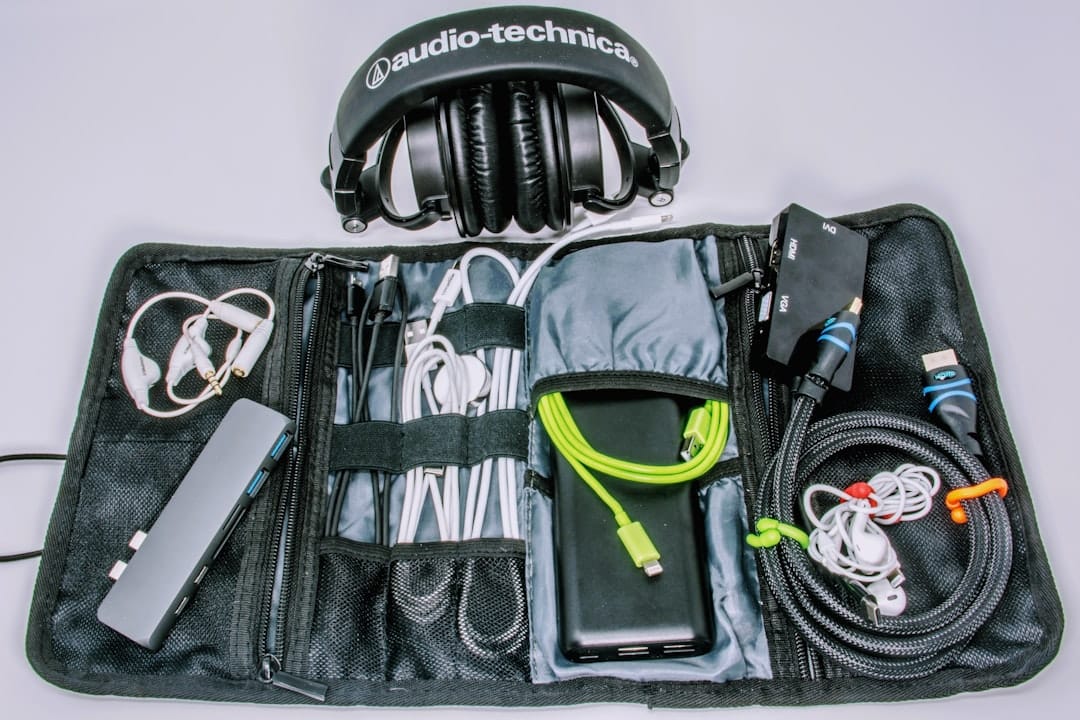
The Tech Details That Trip Up Remote Workers
For anyone working as they travel, the electronics are where carry-on discipline meets professional necessity, and the subtle details here are unforgiving. Start with the power bank. Airlines have strict, and globally inconsistent, rules about lithium battery capacity in the cabin. A power bank rated above the common 100Wh threshold can be confiscated at security, and capacity is measured in watt-hours, not the milliamp-hours printed in giant letters on the front. Learn the simple conversion and check the small print before you fly, or risk losing a battery you paid good money for.
Then there is the quiet tyranny of cables and chargers. A single multi-port GaN charger can replace three or four bulky bricks, and a short pouch of the exact cables you need — no more — beats a tangled nest you rummage through at every airport. A universal adapter with built-in USB ports earns its place, but check whether your destination's voltage matches your devices, because a hairdryer or a poorly made charger that expects a different voltage can fail spectacularly on arrival.
The truly experienced remote worker also thinks about weight distribution and accessibility. Keep your laptop, passport, and anything fragile in the section of the bag that comes out first at security, ideally in a dedicated sleeve that pulls clear without unpacking everything around it. Building a lean kit is half the battle; the other half is having the right tools for a seamless remote work routine so you can be productive within minutes of landing, no matter where the café Wi-Fi drops you.
Liquids, Layers, and the Things People Forget
The liquids rule is famous, yet the subtle details still catch people out. It is not the total volume of product that matters at the security checkpoint but the size of each individual container. A nearly empty 200ml bottle with only a splash of shampoo left will still be pulled, because the printed capacity exceeds 100ml. The clever solution is solid alternatives — shampoo bars, solid toothpaste tablets, a bar of soap in a vented tin — which sidestep the liquid limit entirely, never leak at altitude, and weigh almost nothing. They also tend to last far longer than their squeezable cousins.
Layering is the other quiet skill. Rather than packing for the warmest and coldest extremes separately, build a system where thin pieces stack. A merino base, a light mid-layer, and a packable wind-and-water shell can handle a startling range of climates while compressing into almost nothing. The heaviest items — boots, a jacket — should be worn onto the plane rather than packed, a small bit of theatre that can claw back precious litres and kilograms. Wear the bulk, pack the light.
Finally, there are the small, easily forgotten details that quietly rescue trips: a couple of zip-lock bags for wet swimwear or leaking bottles, a spare day's medication kept separate from the main supply, digital and paper copies of key documents stored in different places, and a single laundry-detergent sheet so you can wash a few things in a sink anywhere in the world. None of these take up meaningful space, and each one closes a gap that an over-packed checked suitcase would otherwise paper over.
Common Mistakes That Sabotage a Carry-On Trip
The most common mistake is packing for fear rather than reality — the just-in-case items that imagine every possible scenario and end up serving none of them. That second pair of dress shoes for an event that may not happen, the heavy book you will not finish, the bulky towel for a place that provides one. Each individual item feels reasonable, but together they sink the whole enterprise. A useful discipline is to lay everything out, then remove a third of it and travel anyway. You will almost never miss what you left behind, and whatever you genuinely need can usually be bought at the destination for less than you expect.
Another frequent error is ignoring weight in favour of volume. A bag can pass the size test handsomely and still tip the scales over a budget carrier's strict allowance, which on some airlines can be as low as seven or eight kilograms including your personal item. Weigh the fully packed bag at home with a small luggage scale before you leave, not at the check-in desk where an excess-baggage fee waits to ambush your budget. For nomads watching every expense, those surprise fees add up fast, which is exactly why thoughtful packing belongs in any serious approach to budgeting for digital nomads.
The last mistake is treating packing as a one-time event rather than a system you refine. The first carry-on trip will reveal a few things you over-packed and one or two you genuinely missed. The traveller who notes these lessons and adjusts ends up, after a handful of trips, with a kit so dialled in that packing takes fifteen minutes and the bag is never more than a kilo from perfect. That refinement is the real reward — not a single flawless trip, but a repeatable habit that makes every departure feel calm.
Carry-on travel rewards attention to the small things. The dimensions that lie, the fabrics that re-wear, the battery that gets confiscated, the bottle that betrays you at security — these are the quiet details that decide whether your trip begins with a stroll past the carousel or a thirty-minute argument at the oversize counter. Master them once and they become second nature, the invisible scaffolding behind every light, fast, unburdened journey.
Pack light, watch the details, and let the lightness change how you move through the world. Somewhere out there a city is waiting, and you can be the first one out the door.