Your Best Carry-On Travel Hacks (After 100+ Flights)
Somewhere around flight number forty, the math became undeniable: every checked bag is a tax on your time, your stress levels, and occasionally your wallet. After 100+ flights spanning weekend hops and month-long relocations, the verdict is in — carry-on only travel is the single biggest upgrade you can make to your nomad life.
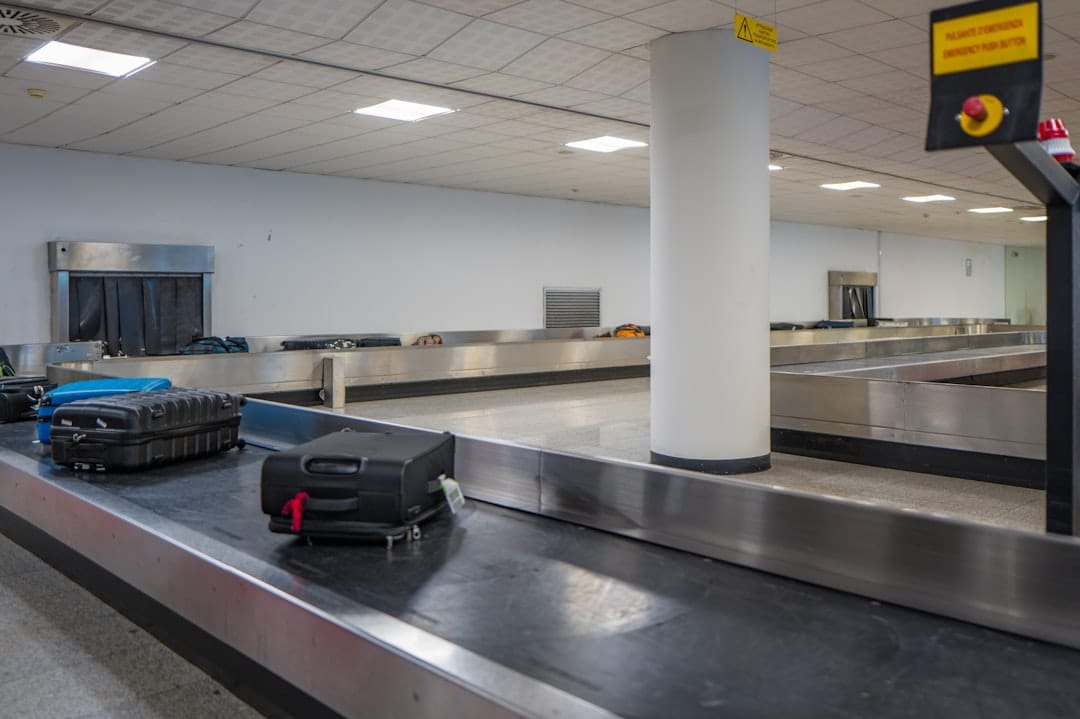
This isn't about deprivation or living out of a backpack like a monk. It's about ruthless efficiency. When you travel carry-on only, you walk past the baggage carousel, breeze through tight connections, and never spend a vacation wearing borrowed clothes because an airline lost your suitcase in Frankfurt.
What follows is the distilled playbook — the hacks that actually survived contact with reality, not the Pinterest-perfect ones that fall apart by the third trip. Whether you're heading out for a long weekend or relocating to a new base for a few months, these strategies make carry on only travel packing feel less like a puzzle and more like a routine.
Build a Capsule Wardrobe Before You Touch the Bag
The number one reason people over-pack is they bring outfits instead of building a system. A capsule wardrobe — a small set of pieces that all mix and match — is the foundation of carry-on only travel. Pick a tight colour palette of two neutrals and one accent, and suddenly every top works with every bottom. Five tops and three bottoms can yield fifteen combinations without anyone noticing you're rewearing things.
Fabric choice matters more than quantity. Merino wool is the unsung hero here — it resists odour, regulates temperature, and can be worn for days between washes. Synthetic blends dry overnight after a quick sink wash, which means you can pack for ten days the same way you'd pack for four. The goal is clothing that works harder so you carry less of it.
Lay everything out on the bed before it goes anywhere near the bag. Then remove a third of it. This sounds glib, but the discipline is real — almost nobody regrets bringing less, and everyone remembers the time they hauled three pairs of jeans across two continents and wore one. The same minimalist instinct that improves a workspace improves a suitcase, and if you've embraced a minimalist home office you already know the relief that comes with owning less.
Master the Bag Itself: Sizing, Wheels, and the One-Bag Question
Master the Bag Itself: Sizing, Wheels, and the One-Bag Question
Comparison of key carry-on bag types by capacity, weight, durability, and best-use scenario.
| Feature | Roller Bag | Backpack | Hybrid |
|---|---|---|---|
| Capacity (L) | 40–50L | 30–40L | 35–45L |
| Weight | 2.5–3.5 kg | 1.5–2 kg | 2–2.8 kg |
| Stairs & Stairs Friendly | Not ideal | Excellent | Good |
| Best For | Business + cities | Adventure travel | All-rounder trips |
Not all carry-ons are created equal, and airline size limits vary wildly. The safest play is a bag that fits the strictest budget-carrier dimensions — roughly 40 x 30 x 20 cm for the small personal item, and around 55 x 40 x 20 cm for the standard cabin bag. Measure with the wheels and handles included, because gate agents do. Getting caught at the gate with an oversized bag erases every penny you saved on the fare.
The eternal debate is wheels versus backpack. A wheeled spinner is effortless on smooth airport floors and easy on your back. A travel backpack wins on cobblestones, stairs, and trains where wheels become dead weight. For nomads who move between cities and unfamiliar neighbourhoods, a backpack with a hip belt usually edges it out — but if your trips are airport-to-hotel-to-airport, save your spine and take the wheels.
Whatever you choose, get one with a clamshell opening that lays flat like a suitcase rather than a top-loading hiking pack. Top-loaders force you to dig, which means unpacking everything to find one item. A flat-opening bag plus packing cubes turns your luggage into a portable dresser — and that organisation pays dividends every single morning of your trip.
Enjoying this? Get more like it.
Weekly picks for remote workers and digital nomads — tools, destinations, and honest takes, straight to your inbox.
Subscribe free →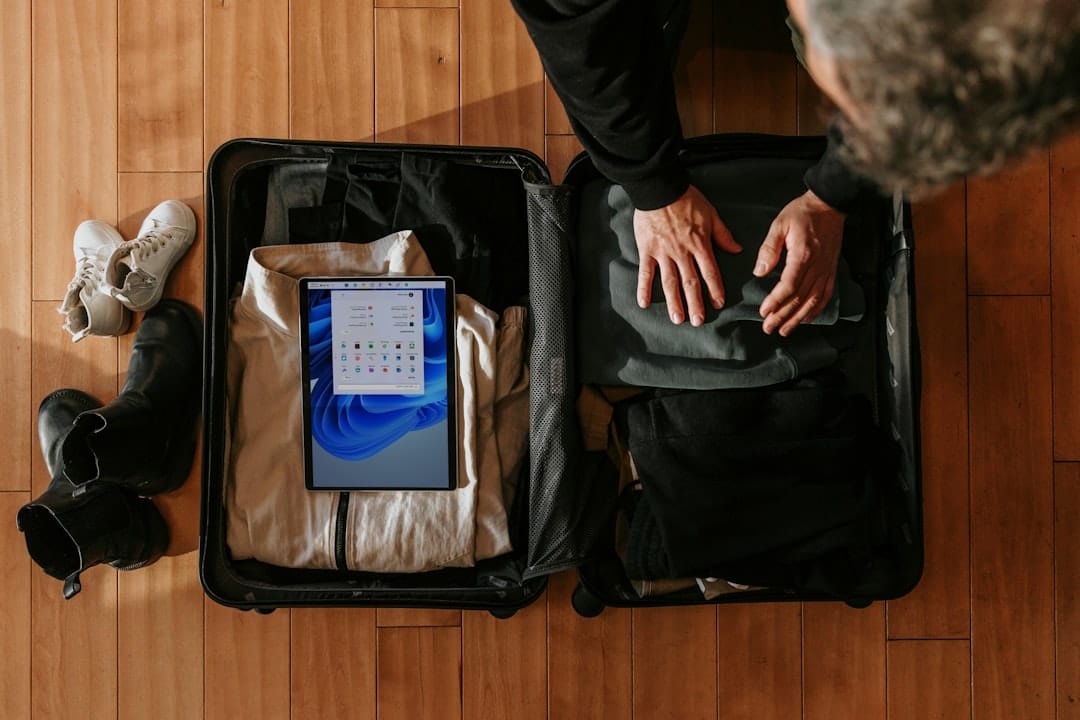
Packing Cubes, Rolling, and the Tetris of Cabin Space
Packing cubes are the most over-hyped product that absolutely lives up to the hype. They don't magically create space, but they do create order — and order is what lets you use every cubic centimetre. Assign cubes by category: one for tops, one for bottoms, one for underwear and socks. When you arrive, the cubes become drawers, and you never live out of a chaotic pile again.
Rolling versus folding is a genuine debate, and the honest answer is both. Roll soft items like t-shirts and underwear to save space and reduce creases; fold structured items like collared shirts and blazers to keep them sharp. Compression cubes squeeze the air out of bulky knits and let you fit a surprising amount into a small footprint — just remember that compression saves volume, not weight, so don't let it lure you into exceeding the airline's weight cap.
Use the dead space deliberately. Stuff socks and chargers inside shoes. Slide your laptop and flat documents along the back panel. Tuck a thin packable tote into a side pocket for grocery runs and day trips. The bag should pack like a 3D puzzle where nothing rattles around — a tightly packed bag is a smaller bag, and a smaller bag is the one that slides into the overhead bin without a fight.
Tech, Toiletries, and the Mistakes That Cost You at Security
Tech, Toiletries, and the Mistakes That Cost You at Security
Quick-reference guide to TSA/airport security rules for common carry-on items that frequently cause delays.
| Item Category | Carry-On Status | Key Rules |
|---|---|---|
| Liquids & Gels | Restricted | 3.4 oz (100 ml) max per item |
| Electronics | Allowed | Larger devices must be screened separately |
| Solid Deodorant | Allowed | No TSA restrictions |
| Medications | Allowed | Keep in original container with label |
| Power Banks | Carry-On Only | Not permitted in checked bags |
Liquids are where carry-on dreams go to die. The 100ml rule is non-negotiable, so go solid wherever possible: shampoo bars, bar soap, solid deodorant, and toothpaste tablets eliminate half the liquids bag instantly. For the rest, decant into reusable silicone travel bottles and keep them in a clear quart-sized pouch that comes out fast at the scanner. Buying full-size toiletries at your destination is almost always cheaper and lighter than hauling them across borders.
For remote workers, tech is the heaviest and most precious cargo. Wear your bulkiest gear through security — chunky shoes, jacket, and the heavy noise-cancelling headphones around your neck don't count against your bag. Consolidate cables into one small pouch, and switch to a single high-wattage GaN charger that powers your laptop and phone from one brick. A good multi-port charger replaces three separate adapters and frees up a startling amount of space and weight. If you're juggling work on the move, the right kit matters as much for your sanity as it does for your bag — the same goes for keeping an eye on your finances while you roam, which our guide to budgeting as a nomad covers in depth.
The most common security mistakes are avoidable. Don't leave a half-full water bottle in your bag — empty it before the line and refill after. Keep your laptop and liquids accessible rather than buried, so you're not unpacking your entire life onto the conveyor belt. And always check the power bank rules: lithium batteries must travel in the cabin, never checked, so a carry-on traveller is already on the right side of that rule.
Destination-Smart Packing and the Laundry Mindset
The single biggest mindset shift for carry-on only travel is this: you are not packing for the whole trip, you are packing for one laundry cycle. Whether you're settling into a co-living space, an Airbnb with a washing machine, or just a launderette around the corner, you only ever need about a week's worth of clothes. This is what makes a two-week trip and a two-month relocation pack identically. If you're choosing a base with this in mind, our accommodation tips for remote work travel can help you prioritise laundry access alongside Wi-Fi and a desk.
Climate dictates everything, so pack for where you're going, not where you've been. Heading somewhere tropical means breathable layers and one light rain shell, while a cooler base calls for the layering trick: a few thin pieces you can stack are far more versatile and packable than one bulky coat. Check the actual forecast for your dates rather than the seasonal average, and you'll avoid lugging a sweater through a heatwave or shivering through an unexpected cold snap.
Pack a tiny laundry kit and the whole system clicks into place: a flat sink stopper, a small bottle of concentrated detergent or a few detergent sheets, and a braided travel clothesline. Twenty minutes of sink washing in the evening means everything is dry by morning, especially with quick-dry fabrics. This is the habit that lets long-term nomads live indefinitely out of a single bag without ever feeling like they're scrimping.
After more than a hundred flights, the lesson that sticks is that carry-on only travel isn't about owning the perfect gear — it's about owning fewer decisions. A capsule wardrobe, a well-chosen bag, a disciplined packing system, and a laundry-cycle mindset turn what used to be a stressful pre-trip scramble into a fifteen-minute routine you barely think about.
Start with one trip. Pick a long weekend, force yourself into a single cabin bag, and notice how much lighter the whole experience feels — the skipped queues, the easy connections, the freedom to just walk out of the airport. Once you've felt it, going back to checked bags feels like voluntarily strapping an anchor to your ankle. Travel light, work from anywhere, and let the bag be the easy part.