How to Take Advantage of the Airline Carry-On Loophole No One Talks About
Here is the quiet truth most travellers never figure out: the airline carry-on system is full of gaps you can legally use to your advantage. Airlines design their baggage rules to nudge you toward paying for checked bags and seat upgrades, but the rules also leave room for the savvy traveller to carry more, faster, and for free.
The "loophole" is not about sneaking oversized bags past gate agents or breaking any rules. It is about understanding the distinction between a cabin bag and a personal item, knowing how that distinction varies by carrier, and packing in a way that lets you skip the check-in queue entirely. For anyone working remotely while travelling, this is the difference between landing and starting work an hour later versus standing at a baggage carousel watching luggage that isn't yours go round.
This guide breaks down exactly how the carry-on system works in your favour, how to exploit it ethically, and how to build a packing setup that makes carry-on-only travel feel effortless rather than restrictive. By the end, you will never want to check a bag again.
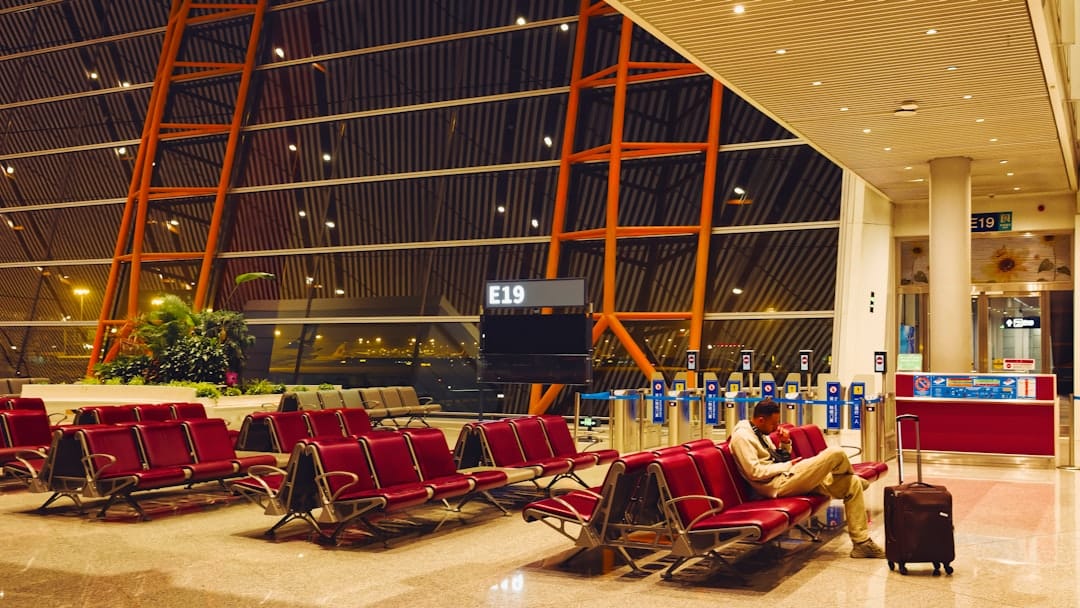
The Loophole Explained: Personal Item vs Cabin Bag
Almost every airline allows two pieces of hand luggage on a standard fare: a cabin bag (the wheeled case that goes in the overhead bin) and a personal item (a bag that fits under the seat in front of you). The loophole lives in how loosely "personal item" is defined. On many carriers it can be a backpack, a tote, a laptop bag, or even a soft holdall — and the dimension limits are often far more generous than people assume.
This matters enormously on budget airlines. Carriers like Ryanair and Wizz Air charge for the overhead cabin bag on their cheapest fares, but still include a free under-seat personal item. The trick is to choose a backpack that maxes out those personal item dimensions — typically around 40 x 20 x 25 cm — and pack it to hold everything you need. A well-chosen 20-litre bag can carry a week of clothes, a laptop, toiletries, and chargers if you pack with discipline.
On full-service airlines the gap works differently: your free cabin bag allowance is usually generous (often 7-10 kg), and the personal item is rarely weighed at all. That means you can place your heaviest items — books, electronics, a packed laptop bag — in the personal item, keeping your wheeled case under the weight limit while still bringing everything. Knowing which gap applies to your fare is the entire game.
A Step-by-Step System for Packing Carry-On Only
Carry-on-only travel is a skill, and like any skill it rewards a repeatable process. Follow these steps and you will pack faster every time:
1. Lay everything out first. Put every item you think you need on the bed. Then remove a third of it. Most people overpack clothing by roughly that amount. 2. Build a capsule wardrobe. Choose a single colour palette so every top works with every bottom. Aim for items that layer rather than bulk. 3. Roll, don't fold. Rolling clothes saves space and reduces creasing. Pack the rolls vertically so you can see everything at a glance. 4. Use packing cubes. One cube for tops, one for bottoms, one for underwear and socks. This turns a chaotic bag into organised modules. 5. Wear your bulkiest items on the plane. Boots, a jacket, and a hoodie take up enormous space in a bag but cost nothing on your body.
Toiletries are where carry-on-only trips often fall apart. Stick to the 100ml liquid rule by decanting products into reusable silicone bottles, or switch to solid alternatives: shampoo bars, solid deodorant, and toothpaste tablets all skip the liquids bag entirely. A single quart-sized clear pouch should hold everything, and keeping it at the top of your bag makes security screening painless.
For longer stays, the real unlock is laundry. Plan to wash clothes every five to seven days rather than packing for the entire trip. This single mindset shift lets you travel for a month with the same bag you would use for a week. If you are settling somewhere for a while, look at how your accommodation handles laundry before you book — it is covered well in these digital nomad accommodation tips.
Enjoying this? Get more like it.
Weekly picks for remote workers and digital nomads — tools, destinations, and honest takes, straight to your inbox.
Subscribe free →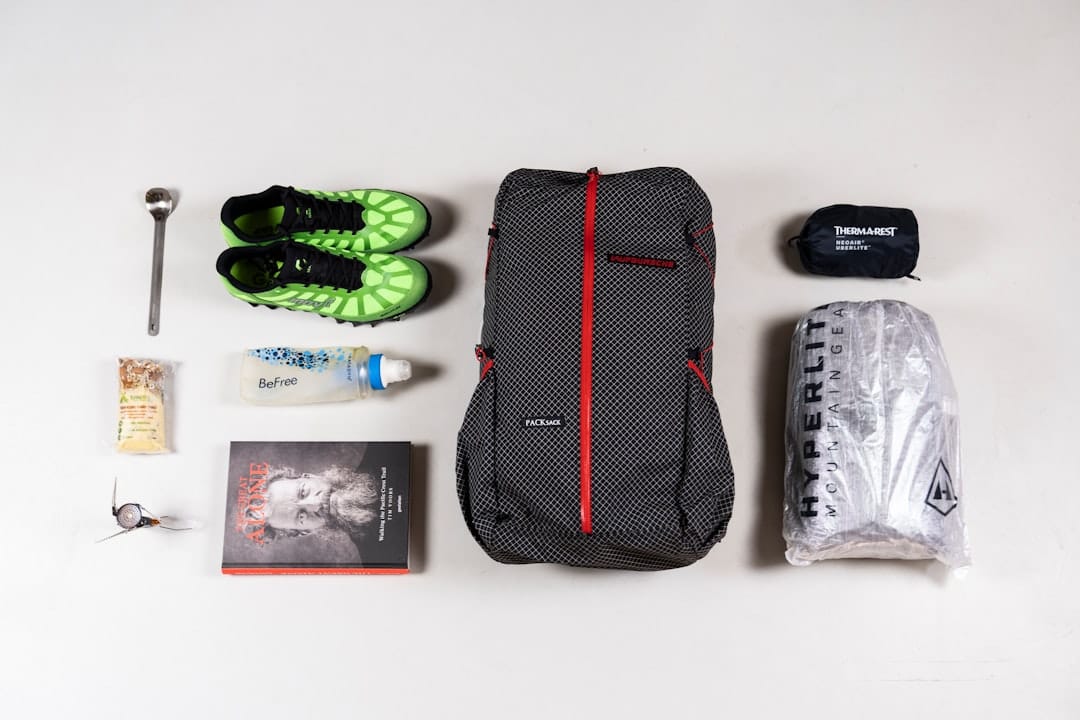
Common Mistakes That Get Your Bag Flagged
Common Mistakes That Get Your Bag Flagged
Common packing errors and their consequences at check-in across different risk levels.
| Mistake | Detection Rate | Consequence | Preventable? |
|---|---|---|---|
| Oversized cabin bag | 90% | Gate check or fee | Yes |
| Exceeding weight limit | 75% | Repack or pay surcharge | Yes |
| Prohibited items in bag | 85% | Confiscation or denial | Yes |
| Poor weight distribution | 40% | Fit check failure | Yes |
The fastest way to lose the advantage of the loophole is to push it too far. Gate agents are trained to spot bags that are visibly overstuffed or bulging beyond the sizer frame. If your personal item won't slide easily into the under-seat space, you risk being told to check it — sometimes for a fee that dwarfs what you saved. Pack to the dimensions, not just the weight, and test your bag against the actual measurements before you leave home.
Another frequent error is misreading the fare you bought. Budget airline pricing is deliberately confusing, and the cheapest ticket often includes only the under-seat personal item — not the overhead cabin bag. Travellers turn up at the gate with a wheeled case they assumed was free and get charged a steep fee on the spot. Always read the baggage allowance for your exact fare class before booking, and screenshot it in case of a dispute.
Finally, watch the small things that derail you at security: a forgotten water bottle full of liquid, a power bank in a checked-style location, or a multi-tool you forgot was in your day bag. Lithium batteries and power banks must travel in the cabin, never checked, so carry-on-only travellers actually have an advantage here — but only if everything is packed where screening expects it. Keep electronics in one accessible pocket and you will glide through.
The Best Bags and Tools for the Job
The Best Bags and Tools for the Job
Feature comparison of top carry-on bags and packing tools suited for the loophole strategy.
| Bag Type | Compression Pro | Budget Option | Premium Choice |
|---|---|---|---|
| Dimensions (L×W×H) | 55×40×20 cm | 50×35×18 cm | 56×45×25 cm |
| Weight | 2.8 kg | 2.2 kg | 3.5 kg |
| Compression Features | Yes, straps | Minimal | Advanced tech |
| Waterproofing | Partial | No | Full |
| Best for Solo Nomads | Recommended | Budget trips | Extended stays |
Your bag is the single most important piece of gear, so choose it around the strictest airline you fly regularly rather than the most generous. A 40-litre carry-on backpack that opens flat like a suitcase gives you the best of both worlds: it fits most overhead bins and lets you pack and unpack without dumping everything out. For the personal-item loophole specifically, a structured 20-litre backpack that holds its shape will pass the under-seat test where a soft, bulging bag fails.
Beyond the bag, a few tools punch above their weight. Compression packing cubes shrink soft clothing dramatically. A lightweight digital luggage scale costs little and saves you from check-in surprises. Solid toiletries free up your liquids pouch. And a compact laptop sleeve that slides into your personal item keeps your work gear protected and instantly accessible at security. If you are travelling to work, treat your tech setup like part of your packing list — a foldable stand and a compact keyboard barely register on weight but transform any café into a workspace.
Remote workers in particular benefit from packing light because mobility is the whole point of the lifestyle. The less you carry, the easier it is to relocate at short notice, and the more your budget stays intact. If you are still refining your finances around constant movement, these nomad budgeting and rent tips pair well with a carry-on-only approach.
Destination-Specific Tips for Carry-On Travellers
Where you go changes how you pack. Tropical and beach destinations are the easiest for carry-on-only travel because clothing is light and minimal. A few quick-dry items, swimwear, and sandals leave plenty of room. If you are heading to warm coastal spots, the lighter packing list frees up space for your work gear — handy when you are basing yourself near one of the popular beach remote work destinations.
Cold-weather destinations are the real challenge. Bulky layers eat space fast, so lean on merino base layers that are warm, lightweight, and odour-resistant enough to re-wear. Wear your heaviest coat and boots on the plane, and choose a packable down jacket that compresses to the size of a water bottle. With smart layering, you can survive a Nordic winter from a single carry-on — it just requires more planning than a beach trip.
Long, multi-climate trips demand a hybrid strategy. Build a neutral core wardrobe that works everywhere, then buy or donate seasonal items as you move between climates. This keeps your bag light while letting you adapt. For slower-paced stays where you settle in one place for weeks at a time, you have even more flexibility, since you can build a local routine and wash regularly — exactly the rhythm of the slow travel cities many nomads favour.
The carry-on loophole isn't a trick so much as a reframe: airlines have built a system you can use to travel faster, cheaper, and lighter, provided you understand the rules and pack to fit them. Master the difference between a personal item and a cabin bag, choose the right gear, and adopt a wash-as-you-go mindset, and you will breeze past baggage queues while everyone else waits.
Start with one trip. Pack carry-on only, note what you actually used, and refine from there. Within a few journeys it becomes second nature — and you will wonder why you ever paid to check a bag at all.