Shipping vs Flying a Bike: Which Costs Less?
There is a particular kind of heartbreak that comes with leaving a bicycle behind. You have spent months, maybe years, dialing in the saddle height, breaking in the leather grips, learning the exact way the frame responds when you lean into a corner. Then a new destination calls — a slow spring in Portugal, a summer of gravel roads in northern Thailand — and suddenly you are staring at your trusted two wheels wondering how, exactly, they are supposed to come along for the ride.
The question sounds simple: is it cheaper to ship the bike ahead in a box, or to check it as luggage on the same flight you are taking? In practice, the answer bends and twists depending on where you are going, how much your bike weighs, how much your time is worth, and how much risk you are willing to absorb if something arrives dented. There is no single right answer, but there is a right answer for you — and this guide is built to help you find it.
Think of what follows as a friendly walk through both paths. You will see the real numbers, the hidden costs nobody warns you about, the small decisions that quietly determine whether you arrive at your destination relaxed or frantically searching for a courier depot that closed an hour ago.
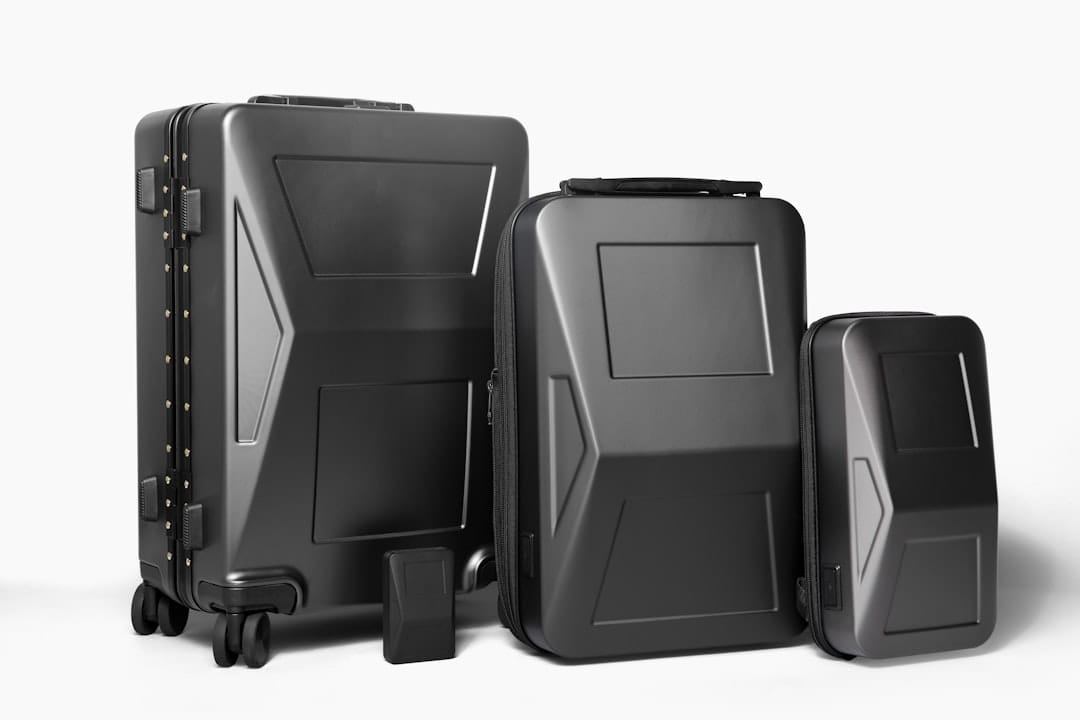
The True Cost of Flying With Your Bike
On paper, checking a bike as luggage feels like the obvious choice. It travels on the plane you are already boarding, so there is no separate delivery to coordinate, no waiting at the other end, no anxiety about whether it will show up at all. But the airline fee is where the fantasy meets reality. Depending on the carrier, a bike bag can run anywhere from free — a handful of generous airlines treat it as standard checked luggage — to well over two hundred dollars each way if the airline classifies it as oversized sporting equipment.
Then come the layers you did not budget for. A hard travel case that actually protects your frame can cost several hundred dollars up front, though it becomes a one-time investment if you fly often. Soft bags are cheaper but offer thinner protection, and gate agents sometimes toss bikes onto conveyor belts with all the tenderness of a bowling ball. Add the taxi or rideshare surcharge for hauling an awkward oversized case to and from the airport, and the tidy number you imagined starts to swell.
There is also the matter of weight and dimension limits, which airlines police with surprising zeal. A packed bike case frequently brushes against the fifty-pound threshold, and if you tip over it, the overweight penalty stacks neatly on top of the oversize fee. For anyone already thinking carefully about the numbers, it is worth reading a full breakdown of how these expenses accumulate — our digital nomad budget breakdown is a useful companion for context on where transport fits into the bigger picture.
The True Cost of Shipping Your Bike Ahead
Shipping flips the equation. Instead of dragging a case through terminals, you hand the packed bike to a courier and walk onto your flight with nothing but a backpack. Companies that specialize in bike transport have made this remarkably smooth — some will even collect from your door and deliver to your accommodation, complete with tracking and insurance that actually covers the value of a decent frame. For a domestic move, a standard courier might charge somewhere between forty and a hundred dollars. International shipping is where the figure climbs, sometimes matching or exceeding what the airline would have charged.
The variable that trips people up is customs. Ship a bike across a border and you may be greeted at the other end with import duties, handling fees, and paperwork that turns a two-day delivery into a two-week ordeal. Within a customs union or trade zone the process is painless; between countries with strict import rules it can be a genuine headache. Experienced travellers learn to check the destination country's threshold for personal effects before booking anything, because a surprise duty bill can wipe out every dollar you thought you were saving.
The quieter advantage of shipping is what it does to your travel day. Instead of arriving jet-lagged and wrestling an oversized case through a taxi rank, you land light and unburdened, and the bike is already waiting — or arrives a day or two later, cleaned up and reassembled at your leisure. For anyone prone to travel fatigue, that reduction in friction is worth more than it appears on a spreadsheet, and it pairs naturally with a broader approach to protecting your energy on the road.
Enjoying this? Get more like it.
Weekly picks for remote workers and digital nomads — tools, destinations, and honest takes, straight to your inbox.
Subscribe free →
The Hidden Costs Nobody Puts on the Invoice
The Hidden Costs Nobody Puts on the Invoice
Comparison of often-overlooked expenses when flying versus shipping a bike internationally.
| Hidden Cost | Flying | Shipping |
|---|---|---|
| Customs/Import duty | $0–80 | $20–150 |
| Reassembly at destination | Self or $50–100 | Usually included |
| Timing delay (days) | Same day | 5–14 days |
| Damage risk coverage | Limited | Full coverage available |
| Bike availability on arrival | Immediate | With delay |
Illustrative figures — composed for shape, not sourced
Both options carry costs that never appear on a receipt but land squarely on your peace of mind. Time is the first. Packing a bike properly — removing pedals, loosening the handlebars, wrapping the frame, deflating tires just enough — takes the better part of an hour if you are careful, and doing it badly is how frames arrive cracked. Whether you fly or ship, that packing labour is identical, so it should not tilt the decision. What differs is the collection and retrieval time: flying means airport queues and baggage carousels, while shipping means being present for a pickup window and, at the destination, being reachable for delivery.
Risk is the second hidden cost, and it is genuinely hard to price. Airline baggage handling is notoriously rough, and while most bikes survive, the ones that do not often come with a claims process that pays out a fraction of the frame's real value. Dedicated bike couriers, by contrast, tend to offer insurance calibrated for exactly this cargo, and their handlers know what they are carrying. If your bike is a several-thousand-dollar machine, the marginally higher shipping cost can be cheap insurance against a catastrophic loss.
There is also the cost of being stranded. A shipped bike that gets held in customs leaves you bikeless for days in a place you came specifically to ride. A flown bike that fails to make a tight connection sits in another city entirely. Neither scenario is common, but both are more likely on complicated multi-leg journeys — precisely the kind of trips that slow travellers, who linger in a single base for weeks, tend to avoid. If you favour long stays over rapid hops, the whole calculation grows friendlier, and our guide to affordable slow travel destinations pairs neatly with a bike-friendly, unhurried lifestyle.
How to Decide Based on Where You Are Going
Destination changes everything. Within a single region — say, hopping between countries in continental Europe where couriers operate a dense, competitive network — shipping is often cheaper, faster, and less stressful than checking a bike on a budget airline that charges premium rates for sporting equipment. The delivery infrastructure is mature, customs is a non-issue, and you can time the bike's arrival to your accommodation almost to the hour. Here, shipping usually wins on both cost and comfort.
Long-haul intercontinental journeys flip that logic. Shipping a bike across an ocean can be eye-wateringly expensive and slow, and the customs risk multiplies with every border. On these routes, flying with the bike as checked luggage — even at a steep oversize fee — frequently comes out cheaper, and at least it travels under your own watchful eye. The trade-off is the physical burden of managing an oversized case through an unfamiliar arrivals hall, but for a single long flight that inconvenience is finite.
Then there is the question worth asking before either: does the bike need to come at all? In many popular nomad bases, quality rental fleets and secondhand markets are so good that leaving your bike at home and acquiring a local ride can beat both shipping and flying combined — especially for shorter stays. If you are weighing destinations partly on cost of living, comparing places like Thailand and the US can also reveal how far your money stretches on local bike rentals and repairs once you arrive.
A Simple Framework for Making the Call
When the variables pile up, a simple decision framework cuts through the noise. Start by writing down the total flying cost: airline oversize fee, both directions, plus the amortized cost of your travel case and any airport transport surcharge. Then write down the total shipping cost: the courier quote, both directions, plus any likely customs duty at the destination. Put those two numbers side by side and you have your baseline comparison before comfort and risk even enter the picture.
Now adjust for the intangibles. If your bike is expensive and irreplaceable, weight the decision toward whichever option offers real insurance — usually shipping. If your itinerary involves tight connections or multiple legs, weight it toward whichever keeps the bike closest to you, which on short hops can mean flying and on regional moves can mean a direct courier. If arriving rested matters more than saving a modest sum, the low-friction path of shipping earns a premium it is often worth paying.
Finally, sanity-check against your travel style. Frequent short trips reward owning a good case and mastering the airline route until packing becomes second nature. Long, settled stays in a single base reward shipping the bike once and leaving it there. And the occasional intercontinental relocation may reward doing neither — selling or storing at one end, buying at the other. There is no universally correct answer, only the one that fits the shape of the journey in front of you.
In the end, shipping and flying are less rivals than tools, each suited to a different kind of trip. The regional wanderer moving between neighbouring countries will usually find shipping cheaper and gentler on the nerves. The long-haul traveller crossing oceans will often find flying leaner and simpler. And the traveller who plans to stay put for a season may discover that the cheapest bike of all is the one already waiting at the destination, ready to be rented or bought without a single mile of transport.
Whatever you choose, run the real numbers rather than the imagined ones, factor in the costs no invoice will show you, and let the destination guide the decision as much as the price. Do that, and your bike will meet you wherever you are headed — ready for the road, and worth every careful mile it took to get there.