Thailand vs the US: Where Cost of Living Is Lower
Let's cut to it: yes, Thailand is cheaper than the US. Dramatically so, in most categories that matter to a remote worker. But that headline answer hides a mess of nuance that actually determines whether you save thousands or accidentally recreate your American burn rate in a beach town. The gap between a $1,200-a-month life in Chiang Mai and a $3,500-a-month life in Bangkok is entirely down to choices, and those choices are worth understanding before you book a one-way flight.
The comparison also depends heavily on which America you're comparing to. Rural Ohio is a very different cost structure than San Francisco or Austin. For most digital nomads, though, the relevant baseline is a mid-to-large US city where remote-friendly jobs and decent internet cluster — and against that baseline, Thailand wins on nearly every line item except one or two that genuinely surprise people.
So this isn't a pep talk about how everything abroad is magically free. It's a practical breakdown of the real numbers, the sneaky costs, and the lifestyle trade-offs — so your cost of living as a digital nomad reflects a decision you actually made rather than one that snuck up on you.
The Headline Numbers: Rent, Food, and the Obvious Wins
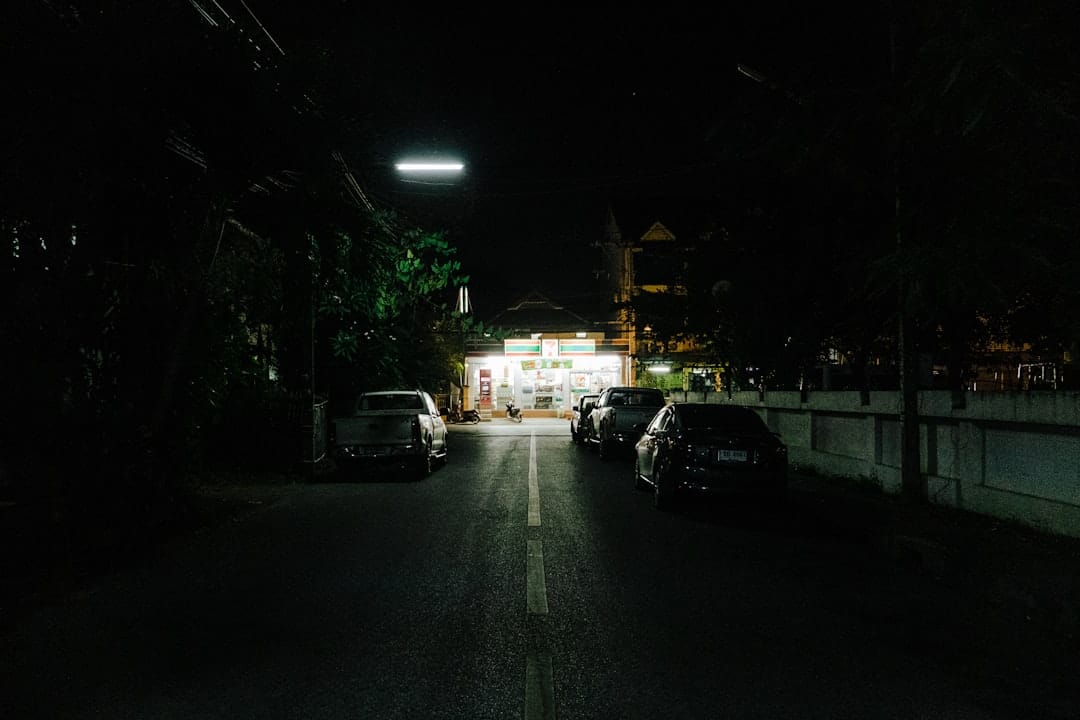
Rent is where Thailand's advantage is most obvious and least controversial. A modern one-bedroom condo with a pool and gym in Chiang Mai runs roughly $350–$550 a month. The same in Bangkok, in a walkable neighbourhood near the BTS skytrain, might be $600–$900. Compare that to a comparable apartment in Denver, Seattle, or Austin, where you're easily looking at $1,800–$2,800 for something with fewer amenities and no pool boy. That single line item is where the bulk of your savings live.
Food is the other jaw-dropper. Eat like a local — pad kra pao, khao man gai, a plate of noodles from a street cart — and you'll spend $1.50 to $3 per meal. You can genuinely eat three restaurant meals a day for under $15. In the US, a single fast-casual lunch now brushes $15 on its own. Groceries follow a similar pattern for local produce and staples, though imported Western goods (cheese, breakfast cereal, wine) are taxed heavily and can cost more than they would back home.
Transport rounds out the easy wins. Motorbike rentals run $60–$90 a month, Grab rides across town cost a couple of dollars, and Bangkok's public transit is cheap and efficient. In the US, you're likely paying for a car, insurance, gas, and parking — a bundle that alone can exceed a nomad's entire monthly rent in Thailand. If you want a wider view of how these budgets stack up across regions, our roundup of slow travel cities for budget nomads is a good companion read.
The Hidden Costs Nobody Puts in Their Instagram Budget
The Hidden Costs Nobody Puts in Their Instagram Budget
Comparison of often-overlooked expenses across Thailand and the US for digital nomads.
| Expense Category | Thailand | United States |
|---|---|---|
| Travel Insurance | $25–50/month | $150–300/month |
| Visa Runs/Permits | $200–500/year | N/A |
| Healthcare Out-of-pocket | $50–150/visit | $500–2000/visit |
| Tax Filing/Accounting | $0–100/year | $300–1200/year |
| Home Country Travel | $600–1200/year | $100–500/year |
Illustrative figures — composed for shape, not sourced
Here's where the shiny "$800 a month!" videos start to fray. Visa runs are a real, recurring cost. Thailand's tourist visa situation shifts constantly, and depending on your setup you may be doing border hops, buying flights to Kuala Lumpur or Vientiane, and paying for extension stamps. The new Destination Thailand Visa (DTV) has made things easier for remote workers, but it still involves an application fee and a chunk of proof-of-funds paperwork. Budget for this — it's not free, and pretending it is will bite you.
Health insurance is the sleeper cost people underestimate in both directions. Out-of-pocket medical care in Thailand is genuinely cheap and excellent — a private hospital consultation might cost $20–$40, and quality is high at flagship hospitals like Bumrungrad. But you still want proper international health insurance for anything serious, which runs $80–$200 a month depending on age and coverage. That said, this is still a fraction of what unsubsidised US health insurance costs, which can be $400–$700 a month for a comparable individual plan.
Then there's the lifestyle creep tax. Air conditioning in hot season is not optional, and running it around the clock can add $60–$120 to your electric bill. Western comfort — imported groceries, cocktail bars, boutique gyms, international schools if you have kids — can quietly push your Thailand budget toward US levels. The savings are real, but only if you don't rebuild your entire American consumption pattern in a tropical wrapper.
Enjoying this? Get more like it.
Weekly picks for remote workers and digital nomads — tools, destinations, and honest takes, straight to your inbox.
Subscribe free →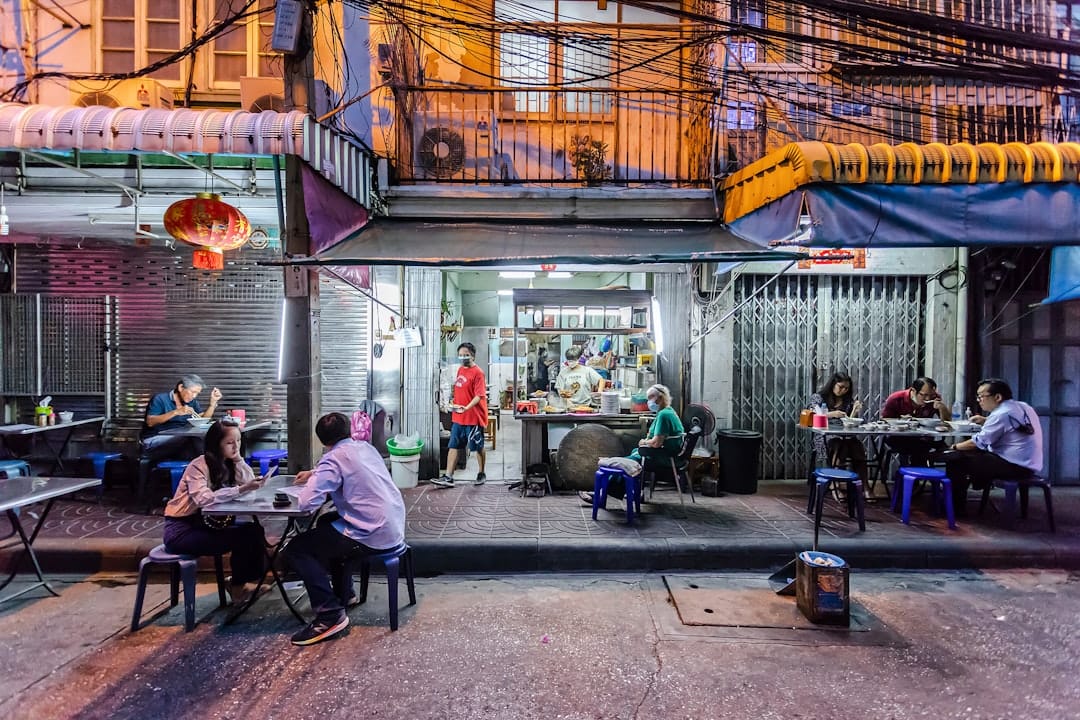
Working Costs: Coworking, Internet, and Earning in Dollars
The single biggest financial advantage of being a digital nomad in Thailand isn't the low prices — it's geographic arbitrage. If you earn US dollars or euros while spending in Thai baht, your effective purchasing power multiplies. A $70,000 remote salary that feels merely comfortable in the US feels genuinely wealthy in Chiang Mai. This is the whole game, and it's why so many location-independent professionals cluster in Thailand specifically.
Coworking is affordable and abundant. A hot desk at a solid Chiang Mai or Bangkok coworking space runs $80–$150 a month, often with unlimited coffee and reliable fibre internet that outperforms plenty of American connections. Many nomads skip the dedicated space entirely and work from cafes, where a $2 latte buys you hours of aircon and WiFi. Home internet is cheap and fast too — expect $15–$25 a month for a fibre connection quick enough for video calls and uploads.
If you're weighing whether your income can support the move, it's worth being honest about job security and remote-friendly pay before you commit. Our guide on transitioning from a 9-to-5 to a digital nomad lifestyle walks through how to secure the income side before you optimise the spending side.
A Realistic Monthly Budget: Thailand vs the US
Let's put concrete numbers on it. A comfortable single-person Thailand budget — a decent condo, mostly local food with some Western meals out, coworking, transport, insurance, and a healthy allowance for going out — lands around $1,200–$1,800 a month in Chiang Mai and $1,800–$2,500 in Bangkok. You can go leaner (under $1,000 is doable if you eat local and rent modestly) or far higher if you insist on luxury condos and imported everything.
The equivalent lifestyle in a mid-tier US city — a one-bedroom apartment, a car, groceries plus regular dining out, health insurance, gym, and entertainment — realistically starts around $3,500 and climbs fast in coastal cities. In San Francisco or New York you can double that before you've done anything fun. The delta between the two lifestyles is the money you either save, invest, or spend on flights to explore the rest of Southeast Asia on weekends.
That said, one number the videos rarely mention: the $1,000-a-month all-in fantasy is fading in the most popular hubs as demand rises. It's still very achievable in Thailand if you're flexible, but the days of accidental extreme cheapness in prime nomad spots are thinning. Our piece on why $4K a month can feel tight abroad in 2026 is a useful reality check before you set expectations too low.
Beyond the Spreadsheet: Quality of Life Trade-Offs
Beyond the Spreadsheet: Quality of Life Trade-Offs
Qualitative comparison of lifestyle factors, services, and trade-offs between Thailand and the US.
| Quality Factor | Thailand | United States |
|---|---|---|
| Healthcare Quality | Excellent in major cities | Premium & comprehensive |
| Visa Stability | Renewable but manual | Permanent residence option |
| Weather Consistency | Hot year-round | Varies by region |
| Social/Expat Community | Large & established | Location dependent |
| Family & Schooling | Expat schools available | Full public/private choice |
Illustrative figures — composed for shape, not sourced
Money is only half the equation. Thailand buys you more than cheap rent — it buys warmth, a genuinely welcoming culture, incredible food, a mature nomad community, and easy access to islands and mountains within a short flight. The pace of life is slower and the general mood friendlier. For a lot of remote workers, this quality-of-life uplift matters as much as the numbers.
But be clear-eyed about the trade-offs. Burning-season air pollution in northern Thailand from roughly February to April is genuinely bad and worth planning around. Bureaucracy can be slow and opaque. You're far from family, in a different time zone, and the language barrier is real outside tourist zones. Isolation is a legitimate risk for solo nomads — the community is a feature, but you have to actually plug into it. It's the kind of thing that quietly erodes the savings-fuelled honeymoon if you're not deliberate about connection.
The US wins on a few things worth naming: familiarity, being close to home networks, easier access to your existing bank and credit infrastructure, and — for some — the professional visibility of being in the same time zone as your team. If proximity to headquarters matters for your career, that's a factor no exchange rate can offset. For most fully remote roles, though, the freedom and savings tilt heavily toward Thailand.
So, is it cheaper to live in Thailand or the US? For a digital nomad earning in dollars, it's not close — Thailand can slash your cost of living by half or more while raising your quality of life at the same time. The caveats are visas, insurance, and your own discipline around Western lifestyle creep, but none of those erase the core advantage.
The smart move is to go in with a realistic budget — call it $1,500 a month for a comfortable Chiang Mai life — treat the first month as calibration, and adjust from there. If the numbers work and remote work suits you, Thailand remains one of the best value-for-money bases on the planet. Just don't let the savings tempt you into rebuilding the exact American life you left. That defeats the entire point.