15 Tips for First-Time Travellers to Japan
Japan does something strange to first-time visitors. It flatters you with efficiency — trains that arrive to the second, vending machines on every corner, toilets smarter than most laptops — and then quietly humbles you the moment you try to pay with a card in a ramen shop or figure out which of the seven subway lines actually goes where you want. It is one of the most rewarding places on earth for a remote worker or curious traveller, and also one of the easiest to fumble if you arrive assuming it works like everywhere else.
The good news: Japan is extraordinarily forgiving of people who show up prepared. A little research goes a very long way here, further than in most countries. Get a handful of logistics sorted before you land and the whole trip shifts from stressful to seamless — leaving you free to focus on the food, the neighbourhoods, and the strange joy of a country that takes small details seriously.
What follows is 15 practical tips, grouped into the things that actually matter. Whether you are here for a two-week holiday or setting up for a month of remote work, these are the details that separate a smooth trip from a frustrating one. Some of these are solo travel tips in the truest sense — small habits that make navigating a foreign system alone far less daunting.
Sort the Boring Logistics Before You Land
Sort the Boring Logistics Before You Land
Essential pre-arrival tasks and their recommended timing to ensure a smooth landing in Japan.
| Task | 2–3 Months Before | 2–4 Weeks Before | 1 Week Before |
|---|---|---|---|
| Passport & Visa | Check expiry | N/A | N/A |
| JR Pass Purchase | Order online | Activate/exchange | N/A |
| SIM Card & Data | Research plans | Pre-order | Collect at airport |
| Accommodation | Draft itinerary | Book all stays | Confirm reservations |
| Travel Insurance | Compare policies | Purchase coverage | Review documents |
| Currency Exchange | Monitor rates | Exchange funds | Notify bank |
Illustrative figures — composed for shape, not sourced
First and most important: get an IC card. Suica or Pasmo (both essentially interchangeable) is a tap-to-pay transit card you load with cash, and it turns Japan's genuinely intimidating rail network into a wave of your hand at a gate. You can now add a Suica to Apple Wallet before you even arrive, top it up with a card, and skip the ticket machines entirely. This single move removes about 80% of the friction of getting around. It also works at convenience stores, vending machines, and plenty of restaurants — quietly solving Japan's cash problem in the process.
Second: sort connectivity. Japan is not a place where you want to wander offline. A prepaid eSIM activated before landing means you have Google Maps working the moment you step off the plane, which matters more here than almost anywhere because addresses are notoriously non-linear and half your navigation will be underground. Pocket WiFi is an alternative if you are travelling as a couple or small group, but for a solo traveller an eSIM is cheaper and one less gadget to charge.
Third: carry cash, but not as much as the internet warns. Japan has modernised faster than its reputation suggests — major chains, hotels, and city restaurants take cards freely. But small ramen counters, temples, older izakayas, and rural spots often remain cash-only. Keep around 10,000 yen on you and top up from a 7-Eleven ATM, which accepts foreign cards reliably when bank ATMs sometimes refuse them. The 7-Eleven ATM is one of the unsung heroes of travel here.
Understand the Etiquette That Actually Matters
You will read a hundred articles insisting Japanese etiquette is a minefield. It isn't. Nobody expects you to bow perfectly or memorise a rulebook. But a few things genuinely matter, and getting them right marks you as a considerate guest rather than an oblivious tourist. Don't eat while walking, keep your voice down on trains (they are almost silent — a loud phone call will earn you real disapproval), and never stick chopsticks upright in rice, as it echoes a funeral rite.
Tipping does not exist and attempting it causes confusion, occasionally mild distress. The price is the price. Similarly, take your shoes off when a floor changes level or you see a shoe rack — traditional restaurants, ryokan, some cafes, and every home. If there are slippers waiting, they are for you, and yes, there are separate slippers for the bathroom. Watch what locals do and follow. Japan runs on quiet observation more than explicit instruction.
The broader principle is consideration for the collective. Rubbish bins are scarce because people carry their trash home — so pocket that empty bottle rather than hunting for a bin. Stand on the correct side of the escalator (left in Tokyo, right in Osaka, a genuine regional quirk). None of this is difficult, but the cumulative effect of getting it right is that Japan opens up to you a little more warmly.
Enjoying this? Get more like it.
Weekly picks for remote workers and digital nomads — tools, destinations, and honest takes, straight to your inbox.
Subscribe free →
Move Smart: Trains, Timing and Where to Base Yourself
The old advice to always buy a Japan Rail Pass no longer holds. Since the price hike, it only makes financial sense if you are doing serious long-distance travel — a round trip Tokyo to Kyoto to Hiroshima and back within the week, say. For a single city base with a couple of day trips, buy individual shinkansen tickets and skip the pass. Do the maths on a route calculator before committing; the pass is no longer the automatic win it once was.
Resist the classic first-timer mistake of cramming Tokyo, Kyoto, Osaka, Hiroshima and Hakone into ten days. Japan rewards depth over breadth. Pick two cities, or slow right down and stay in one. This is especially true if you are working remotely — a base near a station with good coworking access beats hauling luggage across the country every three days. If you're weighing where to settle for a longer stretch, our roundup of slow travel cities for digital nomads is a useful sanity check on how much you can realistically see.
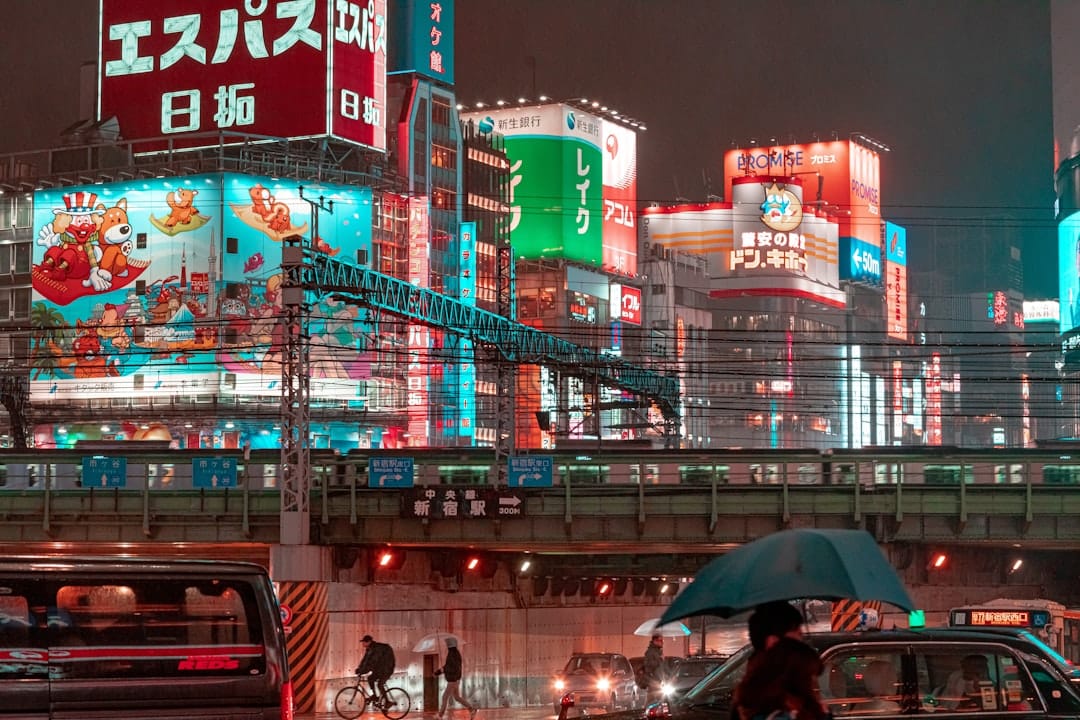
On where to stay: neighbourhood matters more than star rating. In Tokyo, base yourself somewhere with strong rail connections but a bit of local texture — Shimokitazawa for the indie cafe crowd, Nakameguro for canal-side calm, Kuramae if you want quiet artisan streets within reach of everything. Avoid staying right in Shinjuku or Shibuya unless nightlife is the point; they're loud, crowded, and you'll tire of them fast. A slightly residential base gives you the real rhythm of the city and cheaper dinners.
Eat Well, Work Well, and Handle the Solo Stuff
Eat Well, Work Well, and Handle the Solo Stuff
Comparison of meal types, work environments, and solo travel safety features across urban and rural Japan locations.
| Consideration | Urban (Tokyo/Osaka) | Small city (Kyoto/Takayama) | Rural/Remote |
|---|---|---|---|
| Restaurant variety | Unlimited options | Good local cuisine | Limited, advance plan |
| Co-working spaces | All neighborhoods | Selected areas | Not available |
| WiFi reliability | Excellent coverage | Good in centers | Patchy coverage |
| Solo safety | Very safe | Very safe | Very safe |
| English-speaking support | Widely available | Occasional | Limited |
Illustrative figures — composed for shape, not sourced
Food is where Japan quietly overdelivers, and the best meals are rarely the fancy ones. Learn to love the ticket-machine restaurants where you buy a meal token before sitting down — they're cheap, delicious, and remove the language barrier entirely. Convenience store food is genuinely good here; a 7-Eleven egg sandwich has an unironic cult following. Standing sushi bars, department store basement food halls, and tiny counter izakayas are where the value and the joy live. Point at what looks good if you can't read the menu — it almost always works out.
For remote workers, know that Japanese cafe culture isn't always laptop-friendly. Many independent cafes frown on camping out for hours, and some explicitly ban laptops during busy periods. Chains like Starbucks and doutor tolerate it, but for real focus, book a coworking space or a day pass — cities like Tokyo, Osaka and Fukuoka have excellent options, and it's worth pairing that with a co-living base for community. Our guide to finding the best co-living spaces is a good starting point if you plan to work while you're here rather than just holiday.
Finally, the solo travel tips that make Japan feel effortless when you're on your own. This is one of the safest countries in the world for lone travellers — solo dining is completely normal (many ramen and sushi counters are practically designed for one), and eating alone carries zero stigma. Download Google Translate's camera mode for reading menus and signs on the fly, save your accommodation address in Japanese to show taxi drivers, and don't be shy about pointing and gesturing. Learn a handful of phrases — sumimasen (excuse me/sorry) does an astonishing amount of heavy lifting. Solo travel here isn't just doable, it's arguably the ideal way to experience the country's quiet rhythms at your own pace.
Japan is a rare place that rewards both spontaneity and preparation. Nail the logistics — IC card, eSIM, a bit of cash, a realistic itinerary — and the rest of the trip becomes about discovery rather than damage control. The country's reputation for being complicated is really just a reputation for being different, and different is what you came for.
Go slower than you think you should, eat at the places with no English menu, and let the trains do the hard work. Whether you're here for two weeks or two months of remote work, Japan tends to leave first-timers already planning their return before they've even flown home.