How to Spend 14 Days in Japan - A Japan Travel Itinerary
Fourteen days in Japan is the sweet spot. Long enough to move beyond the neon of Tokyo and the temples of Kyoto, short enough to keep the pace tight and the budget under control. Whether you're taking a proper break or blending travel with a few hours of remote work each day, this itinerary gives you a structure you can adapt without feeling rushed.
Japan rewards planning. Trains run to the second, guesthouses ask for early check-in confirmations, and popular restaurants fill their reservation slots weeks out. The good news is that once you have the skeleton of a route, the country is one of the easiest and safest places in the world to explore — which makes it a favourite for anyone travelling alone.
Below is a two-week route that balances big cities, quiet mountains, and coastal days, plus practical advice on transport, connectivity, and staying productive if you're bringing your laptop along. Adjust the days to your energy and interests — this is a framework, not a rulebook.
What to Sort Before You Fly
What to Sort Before You Fly
Essential pre-flight tasks and deadlines for a Japan trip, organized by priority and timeframe.
| Task | 6–8 Weeks Before | 2–4 Weeks Before | 1 Week Before |
|---|---|---|---|
| Passport & Visa | Check expiry | N/A | N/A |
| Book Flights | Book now | Last chance | Not available |
| Reserve Accommodation | Book peak dates | Limited inventory | Rarely available |
| JR Pass Purchase | Recommended | Still available | May be sold out |
| Travel Insurance | Highly recommended | Still available | Last-minute option |
| Notify Bank/Cards | Complete | Confirm status | Final check |
Illustrative figures — composed for shape, not sourced
The single most important decision is whether to buy a Japan Rail Pass. For a 14-day trip that includes Tokyo, Kyoto, Osaka, and a couple of side trips, the 14-day pass can pay for itself — but recent price increases mean you should actually add up your intended Shinkansen legs first. Use an online fare calculator, tally the routes below, and compare the total against the pass price. If you're staying mostly in one region, individual tickets or an IC card will be cheaper.
Sort connectivity before you land. A pocket WiFi rental or an eSIM keeps you online from the airport, which matters when you're navigating train transfers and looking up reservations. If you're planning to work remotely during the trip, prioritise a data plan with generous allowances and test your video-call quality early — most cafes and hotels have reliable fibre, but you don't want to discover a dead zone during a client meeting.
Carry cash. Japan is more card-friendly than it used to be, but temples, small restaurants, and rural bus fares often still want yen. Withdraw from 7-Eleven ATMs, which reliably accept foreign cards. Download offline maps, a translation app, and the official train navigation tools, and book any bucket-list restaurants or the Studio Ghibli Museum well ahead — these sell out fast.
Days 1–5: Tokyo and Day Trips
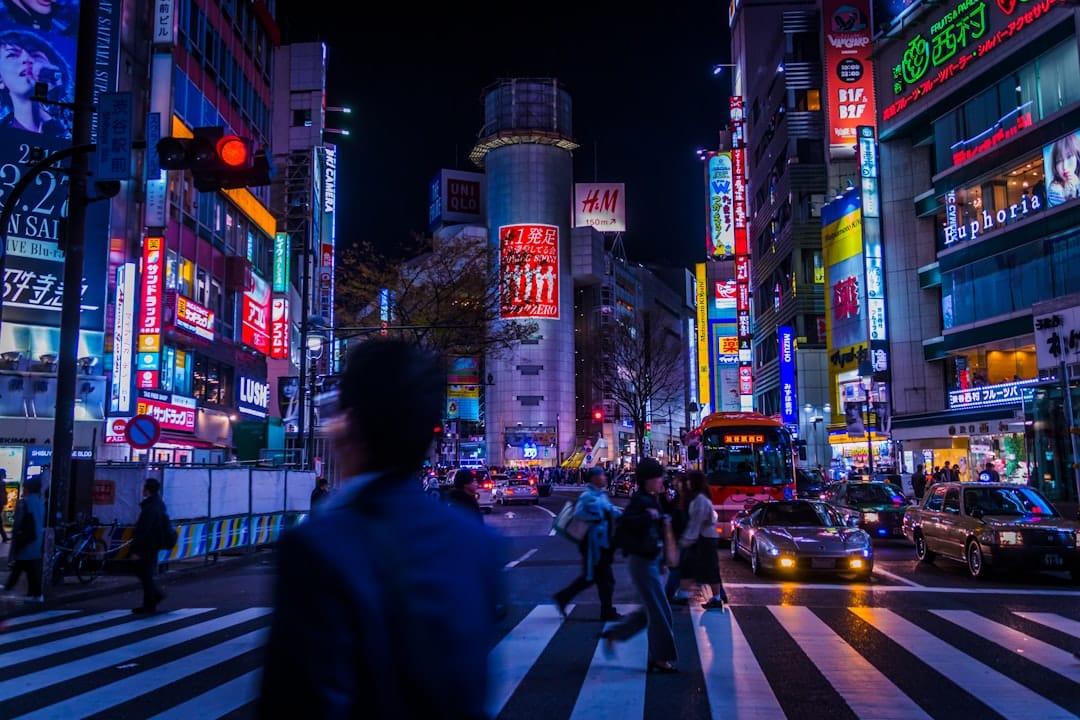
Give Tokyo four full days plus your arrival day to recover from jet lag. Base yourself somewhere central and well-connected — Shinjuku, Shibuya, or Asakusa all work depending on your vibe. Spend your first proper day easing in: explore your neighbourhood, eat ramen, and let your body adjust. Day two, dive into the classics — the Meiji Shrine, the Harajuku backstreets, and Shibuya Crossing at dusk.
Use one Tokyo day for a side trip. Nikko offers ornate shrines set among cedar forests and waterfalls, while Kamakura pairs its Great Buddha with an easy coastal walk. Both are under two hours by train and make for a satisfying full day. Keep a fourth day flexible for whatever grabs you — teamLab digital art, the Tsukiji outer market, an afternoon in Akihabara, or simply wandering.
Travelling alone in Tokyo is remarkably comfortable. Solo diners are the norm — counter seats, ticket-vending ramen shops, and standing bars are built for one. One of the most useful solo travel tips here is to embrace the timing freedom: eat when you're hungry, skip what bores you, and lean into spontaneous detours. If you're working part of the trip, Tokyo has excellent coworking options, and settling into a rhythm can be easier when you understand how to find the best co-living and coworking spaces for remote work.
Enjoying this? Get more like it.
Weekly picks for remote workers and digital nomads — tools, destinations, and honest takes, straight to your inbox.
Subscribe free →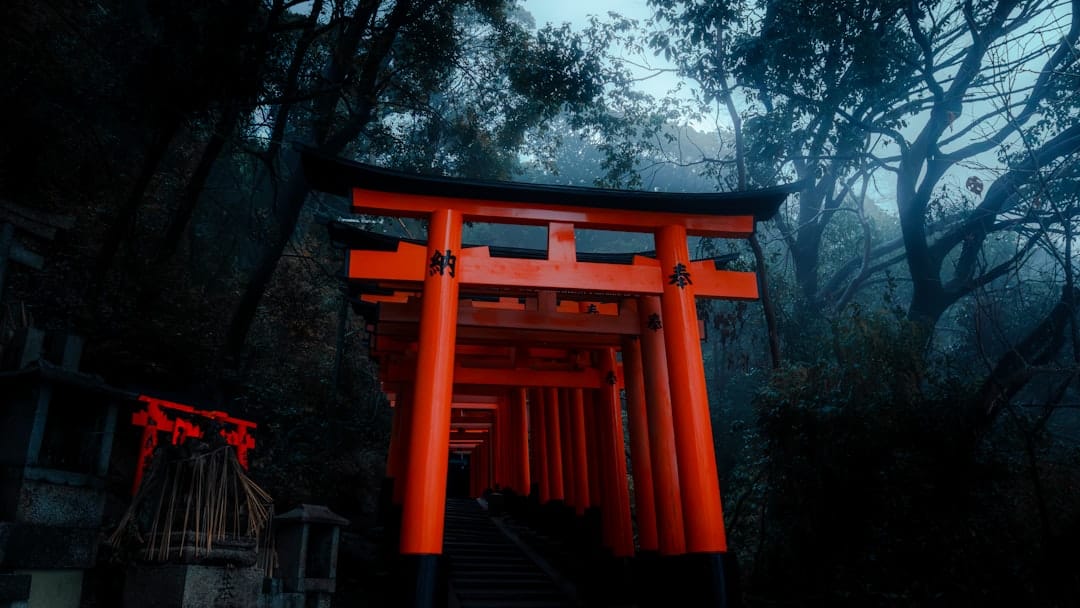
Days 6–10: Kyoto, Nara, and Osaka
Take the Shinkansen from Tokyo to Kyoto — roughly two hours and fifteen minutes — and base yourself here for the next stretch. Kyoto is dense with temples, so resist the urge to cram them all in. Pick three or four highlights: Fushimi Inari's endless torii gates at sunrise (go early to beat crowds), the golden Kinkaku-ji, the Arashiyama bamboo grove, and the traditional streets of Higashiyama and Gion.
Slot in a day trip to Nara, less than an hour away, where free-roaming deer bow for crackers beside the vast Todai-ji temple and its bronze Buddha. It's an easy, low-stress outing that pairs beautifully with a slower morning in Kyoto. On another day, hop to Osaka — thirty minutes by train — for a complete change of energy. Osaka is loud, hungry, and friendly, and the Dotonbori district at night is a feast of street food and neon reflections.
This is a good stretch to build in a proper work block if you're travelling long-term. Kyoto has quiet cafes and coworking spaces where you can knock out a few focused hours before heading out to explore in the afternoon. Blending sightseeing with a light work schedule takes discipline; simple structures like time blocking keep the trip from turning into either all work or all play.
Days 11–14: Mountains, Coast, and a Gentle Finish
Break out of the big cities for your final stretch. From Kyoto or Osaka, head into the Japanese Alps. Kanazawa offers preserved samurai and geisha districts and one of the country's finest gardens, while the thatched-roof villages of Shirakawa-go feel like stepping into a different century — especially under snow in winter. If you'd rather slow right down, the hot-spring town of Kinosaki, with its lantern-lit streets and public baths, is a soothing counterpoint to two weeks of movement.
Alternatively, use these days for Hakone or the Fuji Five Lakes region on your way back toward Tokyo. A traditional ryokan stay — tatami floors, a multi-course kaiseki dinner, and an onsen soak — is the ideal way to decompress before your flight. Many ryokan cater comfortably to solo guests, and a night here is often the trip highlight people remember most.
Plan your last full day back near your departure airport to avoid a stressful dash. Use it for souvenir shopping, a final bowl of something you loved, or a repeat visit to the corner of the country that surprised you most. Leave a buffer — trains are punctual, but you'll want margin for the airport express and any last-minute tax-free purchases.
Solo Travel and Remote Work Tips for Japan
Solo Travel and Remote Work Tips for Japan
Key considerations for remote workers and solo travelers in Japan across accommodation, connectivity, and community.
| Category | Solo Traveler | Remote Worker |
|---|---|---|
| Best accommodation type | Hostels & guesthouses | Apartments & serviced hotels |
| Internet reliability | Adequate for browsing | Excellent & stable |
| Co-working spaces | Not essential | Highly recommended |
| Social opportunities | Frequent & abundant | Limited, varies by city |
| Best time zones to work | N/A | Overlap Europe morning, US evening |
Illustrative figures — composed for shape, not sourced
Japan is one of the safest and easiest destinations for solo travellers, which frees you to focus on the experience rather than logistics. A few practical solo travel tips make it even smoother: carry a small cash wallet separate from your cards, keep your accommodation address written in Japanese for taxi drivers, and learn a handful of polite phrases — a little effort goes a long way. Capsule hotels, guesthouses, and business hotels all suit single travellers and keep costs manageable.
If you're mixing work into the trip, be realistic about pace. Two weeks of trains and early starts is tiring, so protect your energy by clustering work into a couple of stationary days rather than trying to answer emails on the move. Guarding against exhaustion matters more than you'd think on a fast itinerary — learning to spot and manage digital nomad burnout keeps both the work and the trip enjoyable.
Finally, watch your budget with intention. Convenience-store meals, standing noodle bars, and lunch sets keep food costs low without sacrificing quality. Book intercity travel early to lock in the best options, and be honest about whether the rail pass genuinely saves you money for your specific route. Small daily choices add up quickly over fourteen days, and a little discipline lets you splurge where it counts — a memorable dinner, a night in a ryokan, or a ticket to that one experience you flew across the world to see.
Two weeks gives you a genuine taste of Japan's range — the sensory overload of Tokyo, the calm of Kyoto's temples, the warmth of Osaka, and the quiet of the mountains and coast. Treat this itinerary as a starting point and shape it around what excites you, how much you want to move, and whether you're bringing work along for the ride.
Whatever route you settle on, book the fixed points early, keep some days loose, and give yourself permission to slow down. Japan rewards curiosity and punishes over-scheduling — so plan the frame, then let the fourteen days fill in the details.