Digital Nomad Lessons: What You Need to Know on the Road
There is a particular moment that arrives, usually somewhere around the third week on the road, when the fantasy quietly dissolves into reality. The infinity pool is still there. The coffee is still good. But the Wi-Fi has dropped mid-call for the fourth time, the client in another timezone has just moved a meeting to what is midnight where you are, and you are suddenly aware that you packed three pairs of shoes and forgot a universal adapter. This is the true beginning of the digital nomad life — not the departure gate, but the messy, humbling recalibration that follows.
The romance of working from anywhere is real, and it is worth chasing. But the difference between those who thrive over the long haul and those who burn out and fly home after two months usually comes down to a handful of unglamorous lessons — the kind nobody puts on a beachfront Instagram post. These are lessons about rhythm, money, connection, and the quiet discipline that makes freedom sustainable.
What follows is not a checklist to be skimmed and forgotten. Think of it instead as a set of hard-won truths, gathered from the road and shaped by the experiences of people who have made this life work for years rather than weeks. Whether you are packing your first carry-on or already three countries deep, these are the things worth knowing before the fantasy meets the airport queue.
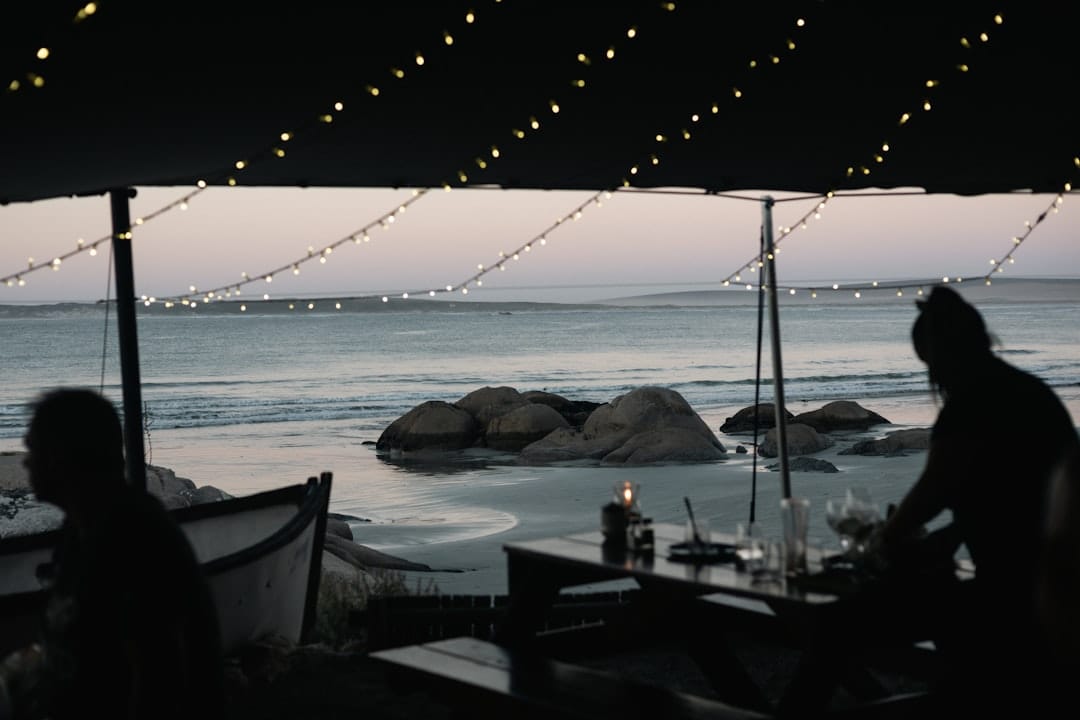
Slow Down or Burn Out
The single most common mistake new nomads make is moving too fast. There is an almost gravitational pull toward the idea that being a digital nomad means seeing as many places as possible — a new city every week, a new country every month, a passport filling with stamps like a scorecard. It looks thrilling from the outside. From the inside, it is exhausting. Constant packing, unfamiliar transit, hunting for reliable internet, and readjusting your sleep and workflow every few days will slowly hollow you out. You end up experiencing neither the work nor the travel properly.
Slow travel is the antidote, and it is cheaper too. Staying in one place for a month or longer unlocks discounted rents, deeper local relationships, and — crucially — the stability your work actually needs. When you are not spending half your energy on logistics, you start to notice the texture of a place: the barista who remembers your order, the market that only appears on Sundays, the quiet café that becomes your second office. That is where the real magic of this lifestyle lives, not in the frantic checklist of destinations.
Practically, this means building anchor points. Choose a base for four to eight weeks, establish a routine, and take short trips outward from there rather than relocating your whole life every few days. Your productivity will thank you, your bank account will thank you, and the burnout that ends so many nomad journeys will stay comfortably at bay.
Money Is the Skill That Keeps You Free
Money Is the Skill That Keeps You Free
Comparison of three core financial strategies that enable long-term nomadic independence.
| Financial Strategy | Emergency Fund | Income Diversification | Expense Tracking |
|---|---|---|---|
| Setup Effort | Low | High | Medium |
| Monthly Time Investment | Minimal | 10–15 hours | 3–5 hours |
| Security Level | High | Very High | Medium |
| Flexibility Impact | Moderate | High | Minimal |
| Best for Nomads | Foundation | Recommended | Accountability |
Illustrative figures — composed for shape, not sourced
Nothing ends a nomad life faster than running out of money in an unfamiliar country. And yet financial planning is the part most people skip, seduced by low cost-of-living headlines that promise a life of luxury on a few hundred dollars a month. Some destinations genuinely are affordable, but the hidden costs pile up quietly: currency conversion fees, sudden flight changes, health insurance, coworking memberships, the deposit on a monthly apartment, and the emergency fund you will absolutely need the first time a laptop dies or a visa run goes sideways.
The nomads who last treat money as a core competency rather than an afterthought. That means tracking spending across currencies, using a multi-currency account to dodge conversion fees, and keeping at least three to six months of runway in reserve. It also means understanding the seasonality of your income and matching it to the seasonality of your destinations — spending the expensive months somewhere cheap and the lean months somewhere you can hunker down. If you want a structured place to begin, the ultimate guide to budgeting for digital nomads is a solid foundation.
Accommodation is usually the biggest lever you can pull. Booking monthly rather than nightly can slash costs dramatically, and negotiating directly with a landlord for a longer stay often beats any platform price. Experienced travellers know that the difference between a sustainable budget and a bleeding one is rarely about eating less street food — it is about the big structural decisions on where and how long you stay.
ℹ️ This content is for informational purposes only and does not constitute financial advice. Consult a qualified financial adviser before making financial decisions. Full disclaimer →
Enjoying this? Get more like it.
Weekly picks for remote workers and digital nomads — tools, destinations, and honest takes, straight to your inbox.
Subscribe free →
Build a Workspace You Can Carry
When your office fits in a backpack, every item earns its place or gets left behind. The lesson here arrives painfully for most people: a hunched posture over a laptop at a café table might be charming for a morning, but do it for months and your neck and wrists will send you the invoice. The most productive nomads invest early in a lightweight portable setup — a laptop stand, a compact external keyboard, noise-cancelling headphones, and a reliable power bank. These small pieces of kit transform any table into a functional workstation, and they pay for themselves in comfort and focus within weeks.
Connectivity is the other half of the equation, and it is non-negotiable. Never rely on a single source of internet. A local SIM or eSIM with a generous data plan turns your phone into a backup hotspot, saving you when the accommodation Wi-Fi collapses right before a deadline. Scout your workspace before you commit to a place — many nomads run a quick speed test the moment they arrive, and some will book a night in a hotel first to verify the connection before signing a monthly lease nearby.
Beyond the hardware, the right software keeps a distributed life from descending into chaos. Time-zone converters, cloud backups, a password manager, and solid project management tools are the invisible infrastructure of a smooth remote routine. It is worth curating your own toolkit deliberately — the must-have tools for a seamless remote work routine are a good starting point for anyone assembling their mobile office from scratch.
Loneliness Is the Lesson Nobody Warns You About
For all the freedom this life offers, it can be quietly isolating. When you leave a place every few weeks, you also leave behind the beginnings of friendships before they have a chance to deepen. The people back home are asleep when you are awake. The novelty of a new city fades faster than expected, and what remains is the simple human need for connection — a need that a stunning view cannot satisfy. This is the lesson that catches even seasoned travellers off guard, because it does not announce itself. It creeps in on a quiet Sunday when there is no one to share the meal with.
The solution is intentional community. Co-living spaces have become one of the most effective answers, offering built-in networks of like-minded people who understand exactly what this life demands. Sharing a kitchen and a workspace with other remote professionals turns solitary evenings into shared dinners and spontaneous collaborations. If you have never tried one, exploring the best co-living spaces for remote workers can reframe how you think about staying connected on the road.
Even outside of formal co-living, connection is a practice you have to prioritise deliberately. Join local meetups, say yes to invitations that feel slightly awkward, and keep a standing video call with the people who matter back home. The nomads who thrive are rarely the most adventurous ones — they are the ones who understand that belonging travels differently than a suitcase, and that it has to be rebuilt in every new place rather than simply assumed.
Protect Your Routine Fiercely
Freedom without structure is a slow trap. When there is no office to report to and no fixed schedule imposed from outside, it becomes dangerously easy to let work bleed into every waking hour, or to let the promise of the beach swallow your entire productive morning. Both extremes end the same way — with a sense that you are neither working well nor living well. The remedy is a routine that you build and defend, one that bends to your best hours rather than someone else's clock.
Time blocking is the technique that makes this possible across shifting time zones. By assigning deep-focus work to your sharpest hours and clustering calls into the windows that overlap with clients elsewhere, you carve out genuine chunks of protected time — and genuine chunks of freedom to explore. If juggling shifting schedules feels overwhelming, the effective time blocking techniques for remote workers offer a practical framework you can adapt to any destination.
Just as important is protecting the boundaries around your routine. Set a clear end to your working day, especially when your clients live in a timezone that never quite lines up with yours. The whole point of this life is to experience the places you travel to — a routine exists not to imprison you but to guarantee that after the work is done, the afternoon is genuinely yours. That balance, more than any single destination or piece of gear, is what separates a fleeting adventure from a life you can actually sustain.
The truest lesson of the road is that the digital nomad life is not an escape from ordinary problems — it simply trades one set of them for another, more interesting set. You still have to manage money, guard your health, nurture relationships, and do good work. What changes is the backdrop, and the freedom to shape your days around what matters to you rather than around a commute and a cubicle.
Start slow, protect your finances, carry a workspace that works, find your people, and defend your rhythm. Get those foundations right and the rest — the sunrise swims, the mountain villages, the unexpected friendships across a shared kitchen table — takes care of itself. The road will teach you the rest, one humbling, wonderful lesson at a time.