What do digital nomads do with all their stuff back home?
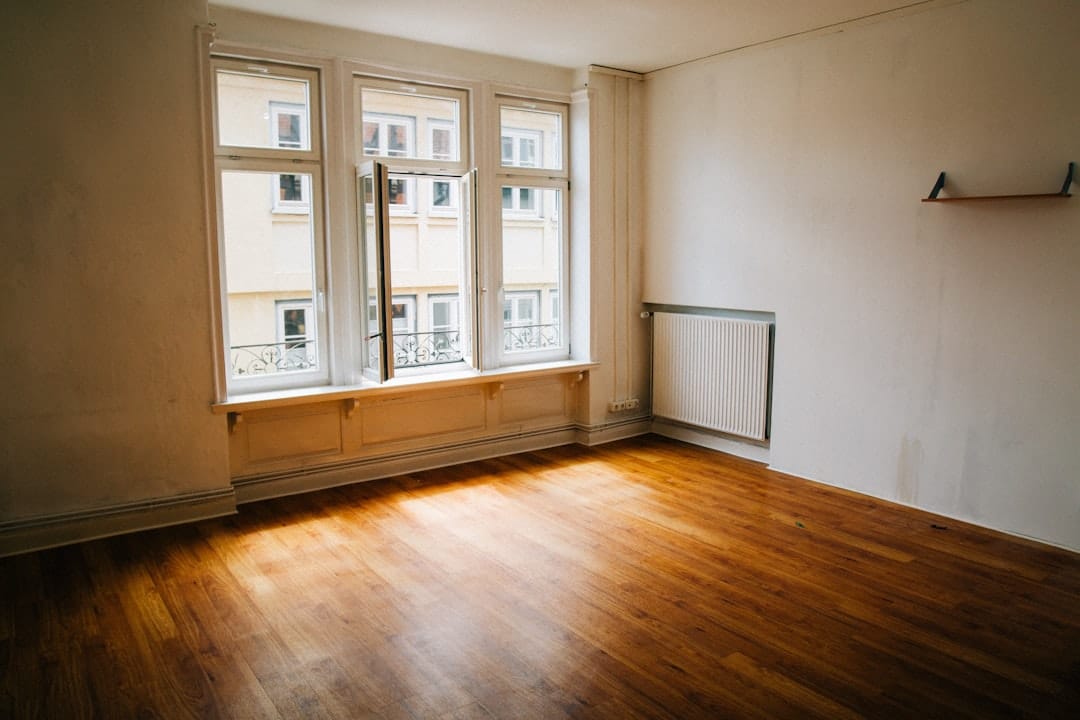
There's a moment that arrives just before the departure gate closes on your old life. The lease is signed away, the flight is booked, the horizon is glittering with promise — and then you turn around and face the apartment behind you. The bookshelves. The winter coats. The blender you used exactly twice. The boxes of photographs, the good knives, the couch that took two people and a lot of swearing to carry up the stairs. Somewhere between the dream of borderless living and the reality of departure sits a very unglamorous question: what happens to all of it?
It's the question almost nobody puts in their travel montages. The Instagram reels show the laptop on a balcony over a rice terrace, not the frantic Sunday afternoon spent taping cardboard and deciding whether a decade of accumulated life fits into a storage unit the size of a broom closet. And yet this decision — what to keep, what to sell, what to hand to your slightly bewildered relatives — quietly shapes the entire rhythm of your nomadic years. Get it right, and home becomes a light, flexible anchor. Get it wrong, and you'll be paying rent on a room full of possessions you'll never miss.
So let's walk through it properly — not as a checklist, but as the genuine, slightly emotional untangling it really is. Because the truth is, what you do with your stuff back home says a great deal about the kind of nomad you're becoming.
The Four Doors Every Nomad Walks Through
Almost every possession you own is heading toward one of four destinations, and the sooner you accept that, the smoother the whole process becomes. There's sell, there's store, there's give away, and there's carry. Most people intuitively believe they'll carry far more than they actually will, and store far less. The reality inverts itself the moment you try to lift a suitcase up a stairwell in an unfamiliar city with no lift and a landlord who only speaks through a translation app.
Selling is the door that funds the adventure. Furniture, electronics you've upgraded, the second bike, the kitchen gadgets — these convert surprisingly well into a small runway of travel money if you start early enough. The mistake is leaving it to the final week, when desperation drives prices down and you end up practically paying people to take things off your hands. Storing is for the sentimental and the genuinely irreplaceable: the photo albums, a grandparent's watch, the small archive of a life that can't be re-bought. Giving away is the most underrated door of all, because generosity is lighter than logistics, and a friend who inherits your bookshelf becomes a friend who remembers you fondly while you're gone.
The fourth door — carry — deserves the most ruthless scrutiny. Whatever you plan to travel with will be lifted, dragged, squeezed into overhead bins, and dropped by baggage handlers dozens of times a year. If you're moving toward a genuinely mobile life, the principles of a minimalist nomadic lifestyle will do more for your sanity than any storage unit ever could. Everything you carry is a small ongoing tax on your freedom.
Storage Units, Family Attics, and the Cost of Keeping
Storage Units, Family Attics, and the Cost of Keeping
Comparison of common storage options for nomads, including typical costs and accessibility.
| Storage Method | Monthly Cost | Accessibility | Best For |
|---|---|---|---|
| Family Attic/Basement | Free | High access | Sentimental items |
| Climate-controlled Unit | $80–150 | Scheduled visits | Furniture, electronics |
| Friend's Spare Room | Variable cost | Informal access | Short-term overflow |
| On-demand Service | $120–250 | Digital catalog | High-value items |
Illustrative figures — composed for shape, not sourced
For the things that survive the culling, storage becomes the practical question — and it's worth doing the maths before you sign anything. A modest self-storage unit in a mid-sized city can quietly cost you the equivalent of a monthly rental in Southeast Asia. Over three years of travel, that's a small fortune spent guarding objects you may open only to discover you've forgotten what was in the boxes. The unofficial rule that seasoned nomads live by is simple: if the annual cost of storing something exceeds the cost of replacing it, let it go.
Then there's the family option — the loft, the garage, the spare room at your parents' or a sibling's place. It's cheaper, obviously, and it comes with the reassurance that someone you trust is near your things. But it also comes with an emotional invoice that doesn't show up on a receipt. Store too much with family and you turn their home into your warehouse, and yourself into the relative whose boxes are always in the way. The kindest version of this arrangement is a small, well-labelled, genuinely finite footprint — a couple of clear tubs, not a room. Bring a gift when you visit, and never let your stuff outstay your welcome.
Whichever route you choose, photograph everything before it goes into storage and keep a simple digital inventory in a cloud folder. When you're standing in a market in another hemisphere trying to remember whether you kept the good winter jacket, that list is worth its weight in gold. It also makes any future insurance claim vastly less painful, and it forces one last honest look at whether each item truly earns its place. Treating your possessions with the same intentionality you'd bring to your finances pays off; the same discipline that underpins good budgeting for the nomad life applies just as neatly to what you keep behind you.
Enjoying this? Get more like it.
Weekly picks for remote workers and digital nomads — tools, destinations, and honest takes, straight to your inbox.
Subscribe free →{{IMAGE_2:person sorting belongings donation boxes}}
The Sentimental Reckoning Nobody Warns You About
The logistics are the easy part. What catches most people off guard is the feeling that rises up somewhere around the third or fourth box — the strange grief of holding an object that represents a version of your life you're choosing to fold away. That concert ticket from years ago. The mug from a job you loved. A stack of letters. Objects are memory made physical, and deciding to release them can feel disloyal to your own past, even when your rational mind knows the memory lives in you, not in the mug.
The trick that works for many is to separate the memory from the mass. You don't need to keep the object to keep the moment. Photograph the sentimental things — the childhood toy, the certificate, the postcards — and build a small digital archive you can carry anywhere and revisit from a hammock on the other side of the world. A single photo of a shelf full of trophies preserves the feeling far more portably than the trophies themselves. For the small handful of truly irreplaceable items, keep them, and keep them somewhere safe and dry. But be honest about how short that list really is.
There's also a quieter freedom that arrives on the far side of this reckoning. Once you've let go of the ballast, the objects that remain in your life become chosen rather than accumulated. Every item you carry earns its place. Many long-term travellers describe the process not as loss but as clarification — the possessions fall away and what's left is a cleaner sense of who they are without the stuff. It's the same lightness people chase when they design a minimalist workspace, only applied to an entire life.
Keeping a Home Base — Or Not
Keeping a Home Base — Or Not
Feature comparison between maintaining a home base and going storage-only as a digital nomad.
| Consideration | With Home Base | Storage Only |
|---|---|---|
| Return-home option | Always available | Not available |
| Monthly costs | Mortgage/rent | $50–150 |
| Item accessibility | Full & immediate | Scheduled retrieval |
| Psychological anchor | Yes, strong | Minimal |
| Commitment level | Long-term tie | Flexible exit |
Illustrative figures — composed for shape, not sourced
Not everyone wants to burn the ships. Plenty of digital nomads keep a home base back home and travel around it, returning between trips to a familiar bed and a fridge stocked with familiar things. If the finances allow, a small rented flat or a room in a shared house can be a psychological lifeline — somewhere to reset, to store your winter gear, to be sick without being sick in a hostel. The downside is obvious: you're paying for a home you're barely living in, and that cost can quietly clip the wings of your travel budget.
A popular middle path is subletting or arranging a house-share where your room is filled while you're away. If your lease allows it, this can turn a home base from a drain into a break-even proposition, letting you keep the anchor without paying full price for the privilege. Others go fully unmoored, keeping no fixed address at all and rotating through co-living spaces and monthly rentals that come furnished, staffed, and community-ready. For these travellers, home isn't a place you leave things — it's a series of places you arrive fully equipped.
The right choice depends less on any rulebook and more on your temperament. Some people travel best knowing there's a door they can always come back to; others feel that same door as an invisible tether pulling them home before they're ready. Neither is wrong. What matters is being honest about which type you are before you sign a two-year lease or, conversely, before you sell the last thing that grounds you. Try a longer trip first, keep your options reversible, and let your actual behaviour — not your fantasy of yourself — make the final call.
A Practical Timeline for the Great Unpacking
If you're staring down a departure date, the single most valuable thing you can do is start early — ideally two to three months out. Begin with the room you use least and work toward the room you use most, because the untouched spaces are where the easy decisions live. Sell the big-ticket items first, while you still have time to hold out for a fair price rather than a fire-sale one. List furniture and electronics on local marketplaces, spread the sales across weeks, and funnel the proceeds straight into your travel fund so the money never feels spendable.
In the middle stretch, handle the giving and the storing. Invite friends over for a low-key evening and let them take what they'd love — the plants, the books, the kitchen kit. It's a warmer goodbye than a marketplace transaction, and it scatters small pieces of your old life among people who'll cherish them. Whatever heads to storage should be boxed, labelled, photographed, and logged. Digitise your documents too: passports, certificates, tax records, and important paperwork belong in an encrypted cloud folder you can reach from anywhere, not in a filing cabinet an ocean away.
The final fortnight is for the carry pile and the administrative loose ends — forwarding your mail, updating your address for banking and taxes, cancelling the subscriptions tied to a place you no longer live. Pack your travel bag last, and pack it twice: once as you wish you could, and then again, halving it, as you actually will. The second version is the one that leaves with you. What remains at home, by then, should feel less like a burden left behind and more like a small, deliberate footprint — a light hand on the door you may or may not walk back through.
In the end, what digital nomads do with their stuff is really a mirror of how they intend to live. The heavy hoarders keep everything and pay for the privilege of being anchored to a life they've technically left. The reckless purgers sometimes miss the few things that mattered. But the ones who thrive tend to land somewhere in the wise middle: they sell what funds the journey, give away what spreads joy, store the precious little that can't be replaced, and carry only what earns its keep.
Do it with intention and you'll discover the paradox at the heart of this whole strange, wonderful lifestyle: the less you own back home, the more room you have to gather the things that don't fit in boxes at all — the mornings on unfamiliar balconies, the conversations in borrowed languages, the quiet certainty that you can build a sense of home almost anywhere you choose to land.