What It’s Really Like Living in a Co-Living Space as a Remote Worker
There's a particular sound that defines mornings in a co-living space, and it's not the one you'd expect. It isn't an alarm. It's the low murmur of a shared kitchen coming to life — the hiss of a moka pot, someone slicing mango over a communal counter, two half-awake strangers debating whether the coworking room has better light before nine or after. If you've ever wondered what it actually feels like to trade a solo apartment for a house full of other remote workers, that soundscape is the honest answer: a little chaotic, a little warm, and never quite silent.
Co-living has become one of the defining housing choices of the remote work era, and the internet is full of glossy promises about it — instant friends, curated productivity, sunset rooftops. The reality is richer and messier than the brochures. Living alongside a rotating cast of designers, developers, founders, and freelancers changes how you work, how you rest, and how you understand your own need for solitude. It can be the best decision of a nomadic chapter or a lesson in what you can't tolerate.
This is an honest, ground-level look at what daily life in a co-living space is really like — the rhythms, the friction, the unexpected gifts — written for anyone weighing whether to book their first month or move on from their fifth. No brochure gloss. Just the texture of the thing.
The Rhythm of a Shared Day
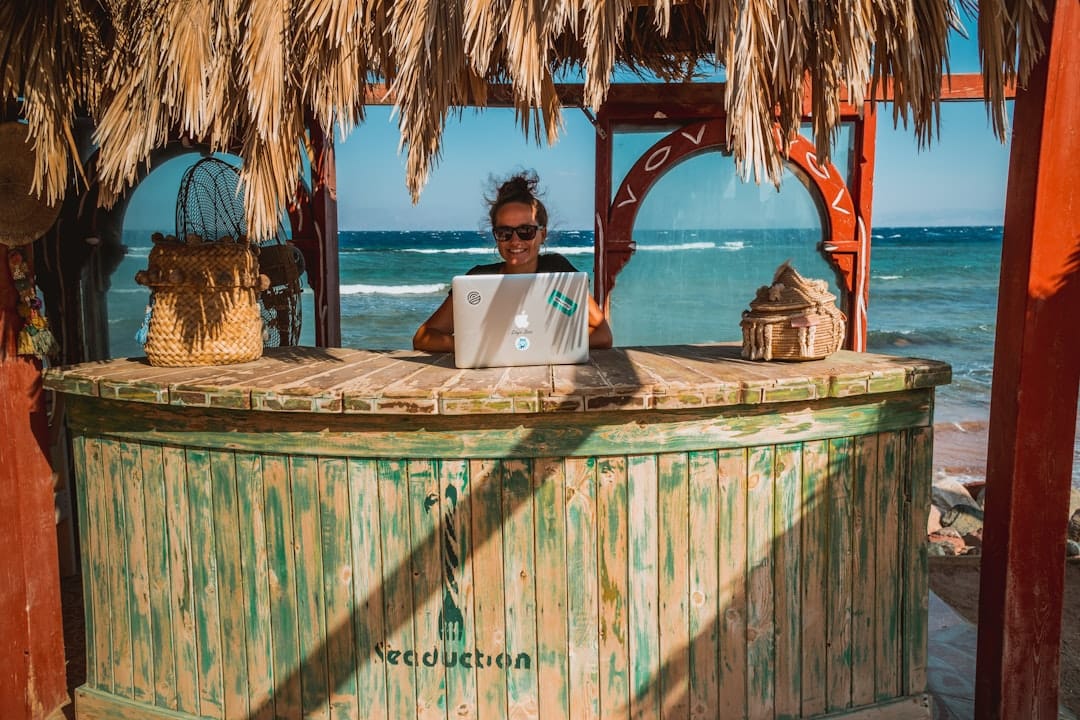
The first thing that surprises most people is how much of co-living life is dictated by rhythm rather than rules. Nobody hands you a schedule, yet within a few days you feel one forming around you. Mornings tend to be quiet and focused — the coworking area fills up gradually as people settle in with coffee and headphones, and there's an unspoken agreement that this is deep-work time. You learn to read the room: a closed laptop and a smile means someone's open to chat; a hoodie pulled up and a second monitor means leave them be.
By late afternoon the energy shifts. Calls wrap up, someone suggests a beach walk or a market run, and the social layer of the house switches on. This ebb and flow is one of the genuine pleasures of co-living — you're never forced to socialise, but company is always within reach when you want it. For remote workers who've spent months eating lunch alone in a rented studio, the simple fact of someone asking "how did your launch go?" over dinner can feel like oxygen.
That said, the shared rhythm can also collide with your own. If your clients sit in a timezone eight hours behind, you might be taking calls at 11pm while the house is winding into a games night below you. Managing that mismatch is part of the craft, and it's worth reading about how others handle the mental load — the strategies in this guide to managing digital nomad burnout apply doubly when your workplace and your social life share the same four walls.
The Work Reality: Focus in a Full House
The Work Reality: Focus in a Full House
Comparison of work environment factors across different co-living space types and their impact on focus.
| Work Factor | Dedicated Desk | Hot Desk | Private Room |
|---|---|---|---|
| Interruptions per day | 2–4 | 6–10 | 0–1 |
| Noise level | Moderate | High | Low |
| Video call suitability | Good | Fair | Excellent |
| Cost efficiency | Balanced | Budget-friendly | Premium |
| Best for focus work | Moderate tasks | Flexible schedules | Deep work |
Illustrative figures — composed for shape, not sourced
Let's be honest about the part that keeps the rent paid: getting actual work done. The marketing photos show serene coworking rooms bathed in golden light, and sometimes that's exactly what you get. Other times you get a phone booth with a broken door, a Zoom call bleeding through a thin wall, and a group forming plans for lunch three feet from your desk. The quality of the workspace is the single biggest variable in whether a co-living stay succeeds or fails, and it varies wildly from property to property.
The workers who thrive in these environments are the ones who bring their own structure. That means noise-cancelling headphones treated as non-negotiable, a clear ritual for signalling focus mode, and a willingness to relocate — to a quiet room, a nearby café, or an outdoor terrace — when the main space gets loud. Many of the same principles that make a distraction-free workspace at home translate directly to a shared house — the difference is that you're negotiating them with a dozen other people rather than controlling every variable yourself.
There's also a hidden productivity benefit that rarely makes the reviews: accountability. When you're surrounded by people shipping code, closing deals, and hitting deadlines, the ambient culture pulls you upward. Slumping through a lazy week is harder when the person across the table just landed a client after three weeks of cold outreach. That gentle social pressure — never explicit, always present — is one of the reasons some remote workers do their best work in a full house rather than an empty apartment.
Enjoying this? Get more like it.
Weekly picks for remote workers and digital nomads — tools, destinations, and honest takes, straight to your inbox.
Subscribe free →
The Social Trade-Offs Nobody Warns You About
The community is the whole point, and it's also the hardest part. Co-living compresses the arc of friendship into fast-forward. You'll meet someone on a Monday, share a life story over dinner on Wednesday, and be genuinely sad to see them leave the following week. This intensity is intoxicating at first — a constant supply of new perspectives, spontaneous adventures, and deep conversations that would take months to reach back home. But it comes with an emotional cost that few reviews mention: the low-grade grief of perpetual goodbyes.
There's also the matter of energy. Even the most sociable person has a limit, and living in a space designed to maximise connection means solitude has to be actively defended rather than passively enjoyed. Retreating to your room can feel oddly guilt-inducing when there's laughter drifting up from the courtyard, as though you're missing out on the very thing you paid for. Learning to say "I'm heads-down today" without apology is a skill you develop fast, and the people who last longest in co-living are the ones who protect their alone time without resentment.
Then there are the small frictions of shared living that no amount of good vibes erases — the dishes left in the sink, the person who takes calls on speaker, the mismatch between night owls and early risers. Most of it is minor and manageable, but it accumulates. The healthiest co-living cultures have a shared understanding, spoken or not, that everyone is both a guest and a caretaker of the space. When that mutual respect is present, the friction stays small. When it isn't, a beautiful house can start to feel like a hostel with better furniture.
Choosing the Right Space for the Right Season
Not all co-living spaces are built for the same person, and matching the property to your current season of work and life matters more than chasing the lowest price. Some spaces lean heavily social — think themed dinners, group excursions, and a party in the courtyard most Fridays. Others cater to focused professionals who want reliable fibre internet, ergonomic desks, and neighbours who understand that a call in progress is sacred. Reading between the lines of the marketing is essential; the word "vibrant" often means loud, and "intimate" sometimes means cramped.
Practical due diligence pays off enormously. Before you commit to a month, ask about the actual internet speed at peak hours, whether there are quiet zones separate from social areas, how many people share each bathroom, and what the typical age and profession of residents looks like. A space full of gap-year backpackers will feel very different from one full of thirty-something founders on deadline. If budget is your main constraint, it's worth studying a curated list of affordable co-living spaces for digital nomads before booking a flight based on Instagram alone.
Season matters too, in the personal sense. When you're fresh off a big transition — leaving a corporate job, ending a lease, starting a new venture — the built-in community of a co-living space can be a lifeline, softening the loneliness that so often shadows early nomad life. Later, once you've found your footing and your routines are humming, you might crave the control and quiet of a private apartment. Neither choice is more "advanced" than the other; they simply suit different chapters. The skill is honesty about which chapter you're in.
What a Month in Co-Living Actually Teaches You
Beyond the logistics, there's a subtler layer to the co-living experience that only reveals itself with time. Living closely with strangers who quickly become friends is a masterclass in adaptability. You learn to read social cues in a house of many nationalities, to compromise on everything from thermostat settings to music, and to build meaningful connection quickly without clinging to it. These are transferable life skills, and many people leave co-living more relaxed and more socially fluent than they arrived.
You also learn a great deal about your own working style. Perhaps you discover you actually focus better with ambient bustle around you, or perhaps you confirm that you need total silence and a door that locks. Either way, the experiment is valuable — you come away knowing your requirements with a precision that's hard to reach when you never test yourself against different environments. That self-knowledge is arguably the biggest return on a co-living stay, more durable than any single friendship or view.
Perhaps most importantly, co-living reframes what "home" means when you're location-independent. Home stops being a fixed address and becomes a portable feeling — the comfort of a familiar kitchen, a table where people know your name for a few weeks, the reassurance of not facing a new city entirely alone. For anyone navigating the wider transition from a 9-to-5 to a nomadic lifestyle, that portable sense of belonging can make the difference between a lonely adventure and a sustainable way of life.
So what's it really like living in a co-living space as a remote worker? It's warmer than working alone and messier than working alone. It's a trade of privacy for connection, of control for spontaneity, of quiet for the low hum of a house that never fully sleeps. On the best days it feels like a small, temporary family sharing a beautiful moment in an unfamiliar place. On the harder days it's dirty dishes, thin walls, and the ache of another goodbye.
If you go in with clear expectations — protecting your focus, defending your solitude, and choosing a space that fits your current chapter — the experience can be genuinely transformative. It won't be the seamless paradise the photos promise, but it'll be something better: real, human, and quietly formative in ways you won't fully appreciate until you've packed your bag and moved on to the next place.