Co-Living Communities That Host Events, Yoga, and Networking for Remote Workers
There is a particular kind of loneliness that creeps in around week three of working alone in a new city. The novelty of the corner café has worn off, the Wi-Fi password is memorised, and the sound of your own keyboard has started to feel unbearably loud. You have the freedom you always wanted — and somewhere in that freedom, a quiet ache for people who understand what a Tuesday afternoon spent building a spreadsheet in a foreign country actually feels like.
This is precisely the gap that a new generation of co-living spaces has set out to fill. Not the sterile serviced apartments of a decade ago, nor the party hostels that promise community and deliver hangovers, but thoughtfully designed homes where the calendar is as important as the furniture. These are places where a sunrise yoga session, a founder's roundtable, and a communal dinner might all appear on the same Wednesday, woven together by the simple understanding that remote work is better shared.
If you have been chasing a version of the location-independent life that includes real friendships and professional momentum rather than just good sunsets, this is the piece for you. Below, we explore how event-driven co-living communities work, what makes them worth the premium, and how to choose one that will actually deliver the connection you are looking for.
Why Event-Driven Co-Living Beats a Cheap Apartment
On paper, renting a private studio always looks like the smarter financial decision. You get your own kitchen, your own bathroom, and none of the awkwardness of sharing a fridge with strangers. But the maths of remote life is rarely just about rent. When you factor in the coworking day passes you buy to escape the isolation, the restaurant meals eaten alone because cooking for one feels pointless, and the sheer cost of your motivation quietly draining away, the private apartment starts to look less like a bargain.
Event-driven co-living communities bundle the things that keep a remote worker healthy and productive into a single package. A morning movement class before you open your laptop. A shared workspace where a nod across the table is enough to feel connected. A skill-share evening where someone teaches watercolour and someone else teaches tax structuring. These co-living community events are not garnish — they are the structural beams that hold the day together, giving shape to hours that would otherwise dissolve into an anxious blur of Slack notifications and unmade decisions about where to have lunch.
There is also the matter of your nervous system. Working alone across time zones is a proven route to exhaustion, and building a home base with rhythm and company is one of the most effective preventative measures available. If you have ever felt the familiar signs creeping in, it is worth reading up on managing digital nomad burnout — and understanding why a supportive environment does so much of the heavy lifting that willpower alone cannot.
What the Best Community Calendars Actually Look Like
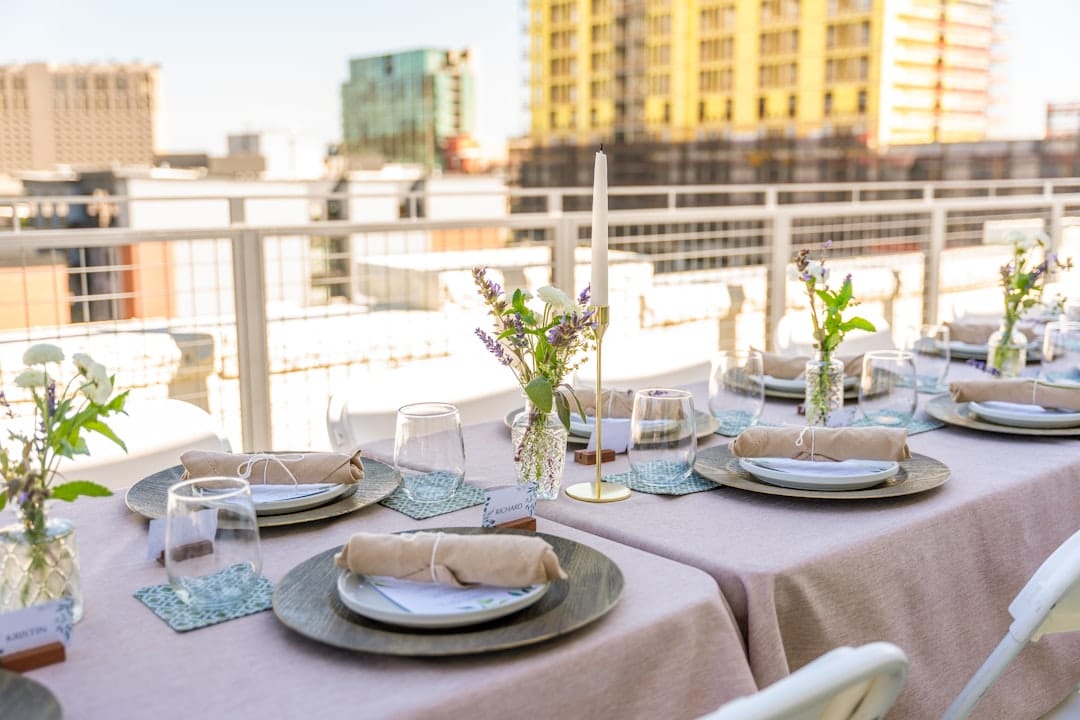
Walk into a well-run community on a Monday and the week is already alive on a whiteboard by the door. Perhaps it opens with a group breakfast, a low-key ritual where new arrivals introduce themselves and the veterans share which beach cove has the calmest water. By mid-morning the space has fallen into a companionable hush, the kind of quiet productivity that only happens when a dozen people have silently agreed that this is focus time. Come evening, the energy shifts again: a sunset yoga flow on the terrace, followed by a communal meal where conversations wander from portfolio diversification to the best noodle stall in town.
The strongest calendars balance three distinct energies. There is the professional layer — mastermind sessions, portfolio reviews, lightning talks where someone walks the room through how they landed a six-figure client. There is the wellness layer — the yoga, the breathwork, the group hikes that get you off the screen and into your body. And there is the pure-connection layer — the movie nights, the family-style dinners, the spontaneous weekend trips to a waterfall that nobody planned but everybody remembers. When these three overlap, remote work networking spaces stop feeling transactional and start feeling like the natural byproduct of living well alongside interesting people.
Beware the calendar that is all froth and no substance. A community that schedules three parties a week but never a quiet coworking block will exhaust you and leave your projects starved of attention. The best-designed spaces protect deep work as fiercely as they encourage connection, understanding that you did not travel across the world to fall behind on your goals. Look for language on their website about focus hours, quiet zones, and respect for the working day — it tells you the founders actually understand their guests.
Enjoying this? Get more like it.
Weekly picks for remote workers and digital nomads — tools, destinations, and honest takes, straight to your inbox.
Subscribe free →
How Networking Happens Naturally in These Spaces
The word networking carries an unfortunate weight. It conjures fluorescent conference halls, lanyards, and the desperate exchange of business cards with people you will never contact again. The kind of connection that happens in a good co-living community is the opposite of all that. It is the developer who overhears you wrestling with a marketing problem at breakfast and offers, unprompted, to build you a landing page in exchange for your feedback on their pitch deck. It is the copywriter you cook dinner with three nights running who becomes, six months later, the reason a major client lands in your inbox.
This works because proximity and repetition do what forced introductions never can. When you share a kitchen, a workspace, and a yoga mat with the same people for a month, trust builds at a pace that no networking event could replicate. You see how someone shows up on a bad day. You learn what they are genuinely good at, not just what their LinkedIn headline claims. By the time a professional opportunity surfaces, the relationship is already real, and the collaboration feels less like a deal and more like helping a friend.
To get the most from this, arrive with a posture of generosity rather than extraction. The people who thrive in these environments are the ones who offer help freely — reviewing a website, making an introduction, sharing a contact — long before they ask for anything in return. The remote work networking spaces that matter are not built on who you can get something from, but on the quiet reputation you build as someone worth knowing. Show up to the events, cook the communal meal, stay for the awkward first ten minutes of the mastermind, and the rest tends to follow.
Choosing the Right Community for Your Stage and Style
Choosing the Right Community for Your Stage and Style
Feature comparison across three co-living community archetypes to help remote workers find their best fit.
| Feature | Social Hub | Quiet Collab | Digital Nomad Base |
|---|---|---|---|
| Monthly Events | 20–30+ | 5–8 | 15–20 |
| Yoga & Wellness | Daily | Twice weekly | 3–4x weekly |
| Quiet Zones | Limited | Dedicated floors | Booking available |
| Avg Monthly Cost | $950–$1200 | $750–$900 | $850–$1100 |
| Best For | Extroverts & founders | Focus-driven creatives | Flexible travelers |
Illustrative figures — composed for shape, not sourced
Not every event-driven community will suit you, and the mismatch usually comes down to temperament and career stage. A high-energy space built around beach parties and adventure sports is a joy if you are in an expansive, social season of life — and a nightmare if you have a demanding client roster and a body that needs early nights. Read reviews carefully, and pay attention to the language returning guests use. Words like family, calm, and focused signal a very different experience from wild, epic, and non-stop.
Consider the practical anchors too: the reliability of the internet, the quality of the desks, the ergonomics of the setup you will spend eight hours a day using. A gorgeous villa with a hammock for a workspace will betray you by the second week of client calls. If you are still shaping your ideal working environment, the principles in our guide to creating a distraction-free workspace translate directly into the questions you should ask a community before booking a month of your life there.
Budget is the other decisive factor. Event-driven co-living commands a premium over a bare apartment, because you are paying for the programming, the staff who run it, and the curated community itself. Whether that premium is worth it depends on how much you value the built-in structure and connection — for many, it pays for itself in productivity and mental health alone. If you want to compare the landscape before committing, our roundup of affordable co-living spaces for digital nomads is a useful starting point for balancing cost against community.
Making the Most of Your First Month
The first week in any new community is disproportionately important. This is the window in which cliques form, routines set, and first impressions harden into reputations. The instinct, especially after a long travel day, is to retreat to your room and catch up on work. Resist it. Show up to that first communal breakfast even if you are jet-lagged and monosyllabic. Say yes to the sunset walk. The energy you invest in those opening days compounds across the entire stay, turning strangers into the people who will save you a seat at dinner and remember your name in the coworking room.
At the same time, protect your working rhythm from the very beginning. It is easy to be swept up in the social current and wake three weeks later with a backlog of deadlines and a knot of guilt. Set your non-negotiable focus hours early and communicate them lightly — most communities are full of people wrestling with the same balance, and stating your boundaries gives others permission to state theirs. The magic of these places lies precisely in the interplay between deep work and genuine rest, and you get to design where the line falls.
Finally, treat the events as experiments rather than obligations. Try the yoga even if you have never touched a mat. Sit in on the finance mastermind even if you feel out of your depth. Some sessions will change how you work; others will simply give you a good story and a new acquaintance. Either way, you are practising the core skill of the location-independent life — the art of building a home, however temporary, out of shared meals, morning stretches, and the quiet solidarity of people typing beside you toward their own version of freedom.
The version of remote life sold in glossy advertisements — the solitary figure on a cliff-top with a laptop — is a beautiful lie. Real sustainability comes from people, from rhythm, from the small rituals that give a nomadic existence its shape. Event-driven co-living communities have quietly cracked the code on all three, packaging connection, wellness, and professional momentum into a single address you can actually book.
Choose carefully, arrive open-hearted, and protect your work as fiercely as you embrace the community, and you may find that the best thing about working from anywhere is the people you end up working alongside. Your next home base — and quite possibly your next collaborator, mentor, or lifelong friend — is out there waiting, somewhere between the morning yoga mat and the long communal table.