what to pack for Japan
Packing for Japan is deceptively tricky. On paper it's a developed, hyper-convenient country where you can buy almost anything you forgot at a konbini at 2am. In practice, Japan has its own rules — about shoes, about luggage size on trains, about what medications you're even allowed to bring through customs — that catch first-timers off guard. And if you're coming as a remote worker who needs to actually function while you're there, the stakes go up a notch.
This isn't a generic listicle that tells you to bring a passport and a phone charger. The goal here is to answer the questions people actually type into search bars before a Japan trip — how much cash to budget, whether your prescription is going to get confiscated, and how to pack light enough to survive the Shinkansen luggage rules without looking like you got dressed in the dark.
Whether you're going for a two-week trip or settling in for a working month, the principles are the same: pack light, layer smart, and sort the boring legal stuff before you fly. Let's get into it.
Is $5000 enough for 2 weeks in Japan?
Is $5000 enough for 2 weeks in Japan?
Daily expense estimates by travel style for a 2-week Japan trip.
| Expense Category | Budget Traveler | Mid-Range | Comfort/Premium |
|---|---|---|---|
| Accommodation | $40–60/night | $80–120/night | $150+/night |
| Meals & Food | $15–25/day | $30–50/day | $60+/day |
| Local Transport | $5–8/day | $10–15/day | $15+/day |
| Activities & Entry | $5–10/day | $15–25/day | $30+/day |
| Daily Total | $65–103 | $135–210 | $255+ |
Short answer: yes, comfortably — for most people. $5,000 for two weeks works out to roughly $357 a day, which in Japan is a genuinely good budget. That covers a mid-range hotel or solid Airbnb, eating well (including a few splurge meals), all your local and intercity transport, and a healthy buffer for shopping and entry fees. You'd have to try quite hard to overspend at that level.
Where the money actually goes: accommodation is your biggest line item, easily $100–180 a night in Tokyo or Kyoto for something decent. Food is where Japan rewards you — a fantastic ramen or curry lunch runs $7–10, and convenience store meals are genuinely good for $4–6. Transport adds up fast on the bullet train (a Tokyo–Kyoto one-way is around $90), so price out whether the Japan Rail Pass still makes sense for your route before you commit.
One packing note that's really a money note: bring a couple of payment options and a small float of yen. Japan is far more cash-friendly than its tech reputation suggests — plenty of small restaurants, shrines, and local transport still want physical money. Load up an IC card (Suica or Pasmo) on arrival for trains and konbini, and you'll glide through the daily friction. If you want to stretch a budget further, the same discipline that helps you budget as a digital nomad applies here.
Can I take tramadol to Japan?
This is the question that genuinely matters more than any clothing decision, because getting it wrong can mean detention at the airport. Japan has some of the strictest medication import laws in the world, and tramadol is a problem case. It's a narcotic-class drug under Japanese law, and bringing it in generally requires a Yakkan Shoumei — an official import certificate you apply for in advance through Japan's Ministry of Health, Labour and Welfare.
Do not assume "it's just a painkiller, it'll be fine." Travellers have been detained and had medication confiscated for far milder substances. Even common over-the-counter products you'd never think twice about — anything containing pseudoephedrine (some cold and allergy medicines) or codeine — are restricted or outright banned in Japan. The rules are about the active ingredient, not the brand on the box.
The safe process: check your prescription medications against Japan's import rules well before you fly, apply for a Yakkan Shoumei if required (it's free, but allow a few weeks), and carry everything in its original packaging with a copy of your prescription and a doctor's letter. None of this is legal advice — confirm the current requirements directly with the relevant Japanese authorities or your nearest embassy before travelling, because rules change.
Enjoying this? Get more like it.
Weekly picks for remote workers and digital nomads — tools, destinations, and honest takes, straight to your inbox.
Subscribe free →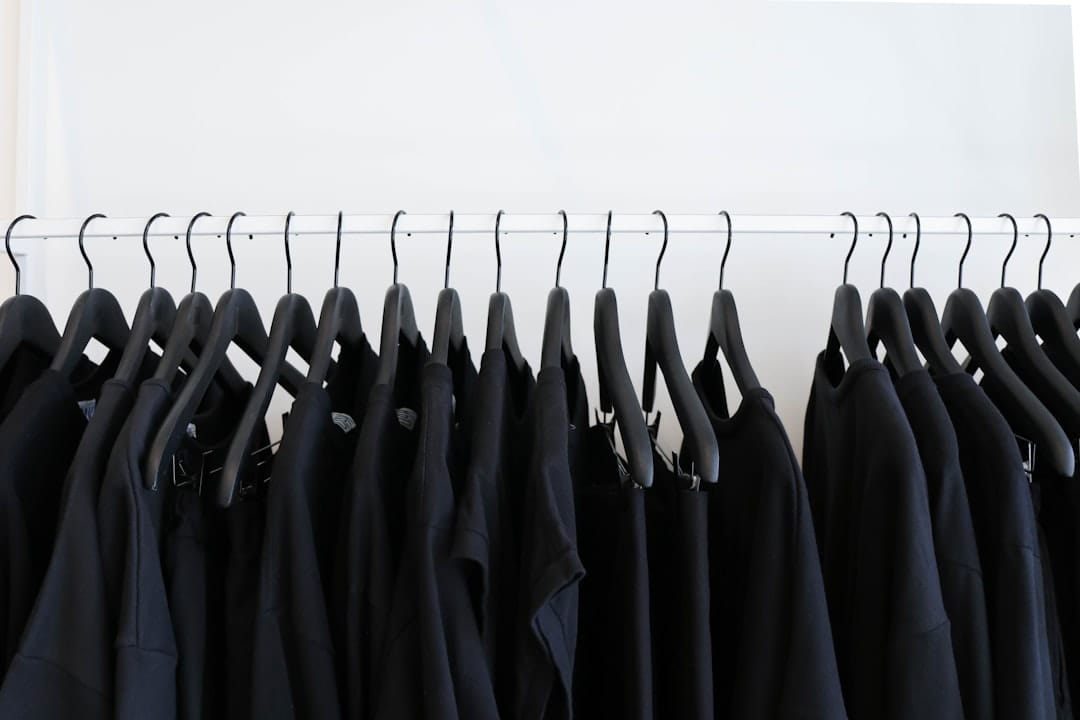
How many outfits should I bring for a 7 day trip?
For seven days in Japan, aim for four to five outfits, not seven. This is the single biggest mistake new packers make — they pack one outfit per day and end up dragging a heavy bag up subway stairs that often don't have lifts. Japan has cheap, ubiquitous coin laundry and most hotels offer it too, so you can refresh your wardrobe mid-trip without ceremony.
Think in components rather than complete outfits. Five tops, two or three bottoms, and one layering piece will mix into far more combinations than five rigid head-to-toe looks. You'll be walking 15,000–25,000 steps a day in Japan whether you plan to or not, so prioritise comfortable, broken-in shoes above everything else — and remember you'll be removing them constantly at temples, traditional restaurants, and some accommodation, so slip-ons and clean socks earn their place.
If you're working remotely while you travel, factor in one slightly smarter outfit for video calls or coworking days. You don't need a suitcase of options — a single neat shirt that photographs well on camera covers it. The rest of your kit can lean firmly toward comfort.
How to pack light and still look good?
The trick to looking put-together with a tiny bag is a tight colour palette. Pick two neutrals — say navy and grey, or black and beige — plus one accent colour, and make sure every piece works with every other piece. When everything coordinates, four items feel like twelve, and you never stand in front of a suitcase wondering what goes with what.
Japan, conveniently, rewards understated style. The default urban aesthetic skews minimal, neat, and slightly tailored — so a capsule of clean, well-fitting basics will look more at home there than a loud, busy holiday wardrobe. Fabric matters more than quantity: merino tops resist odour and let you re-wear, and wrinkle-resistant materials mean you arrive looking unrumpled. Roll your clothes, use packing cubes, and you'll fit a working week into a carry-on with room to spare.
Accessories do the heavy lifting for looking polished without adding bulk — a decent scarf, a watch, a smart-but-light jacket. And don't over-pack toiletries: Japanese drugstores are a wonderland, and you'll almost certainly buy more than you brought. The minimalist mindset that makes a great compact workspace work applies neatly to a suitcase too.
How many pants for a 14-day trip?
How many pants for a 14-day trip?
Recommended pants count and rotation strategy for a 14-day Japan trip by travel style.
| Trip Duration & Style | Minimum Pants | Recommended | Luxury/Extra |
|---|---|---|---|
| 7 days, minimal laundry | 2–3 pairs | 4–5 pairs | 6+ pairs |
| 14 days, weekly laundry | 3–4 pairs | 5–6 pairs | 7+ pairs |
| 14 days, no laundry access | 6–7 pairs | 8–10 pairs | 11+ pairs |
| Best strategy | Mix & match | Neutral colours | Plan laundry |
For fourteen days, three pairs of trousers is plenty — and you can do it with two if you're committed to packing light. Bottoms are the heaviest, bulkiest items in any bag and they don't need washing nearly as often as tops, so this is exactly where you cut. A versatile pair of dark trousers, one casual pair (jeans or chinos), and something comfortable for long travel days or warm weather covers almost every situation.
Season changes the maths slightly. Japan's summers are humid and brutal, so you'll want lighter, breathable fabrics and you'll be swapping tops more than bottoms. Winters, especially up north, demand a proper warm layer and possibly thermals — but that's about insulation, not more trousers. Spring and autumn, the sweet-spot seasons, let you get away with the leanest pack of all.
The deciding factor is laundry, and in Japan that's a non-issue. Coin laundries are everywhere, machines are cheap, and many work-friendly accommodations and co-living spaces include facilities. If you're plotting a longer stay and want somewhere with laundry, fast wifi, and a community built in, it's worth reading up on finding the best co-living spaces before you book.
Packing for Japan really comes down to two things: handle the legal and logistical stuff before you fly, then pack ruthlessly light for everything else. Sort your medications and import certificates, set a realistic budget with a cash buffer, and trust that anything you genuinely forgot can be bought on the ground — often better and cheaper than at home.
A tight, coordinated capsule wardrobe, comfortable shoes you can slip on and off, and a payment setup that works across cash and card will carry you through two weeks or two months with zero drama. Pack like you're going to be walking a lot, because you are — and like you'll want to look reasonable in a country that quietly values looking neat. Get those two instincts right and the rest takes care of itself.