Carry-On vs. Checked Bag: When to Use Each
There is a particular moment at the airport that separates the seasoned traveler from the anxious one. It happens at the check-in counter, or increasingly at the self-service kiosk, when you have to decide what to do with your belongings for the next several hours. Do you cling to a single bag that stays glued to your side, or do you surrender a suitcase to the conveyor belt and trust it will surface again at the other end? For anyone who moves between cities for work — logging into a Monday call from Lisbon and a Friday one from Bali — this decision quietly shapes the entire rhythm of a trip.
The carry-on versus checked-bag debate has taken on an almost tribal quality among frequent flyers. There are those who evangelize the freedom of traveling light, gliding past the baggage carousel while everyone else waits. And there are those who value the elbow room of a proper suitcase, unbothered by liquid limits and overhead-bin scrambles. Both camps have a point. The truth, as it usually does, lives somewhere in the middle — and depends entirely on where you are going, how long you are staying, and what your work actually requires of you.
This is not a lecture about becoming a minimalist overnight. It is a practical, honest look at when each option serves you best, so that the next time you stand at that counter, the choice feels obvious rather than fraught. Let's unpack it, piece by piece.
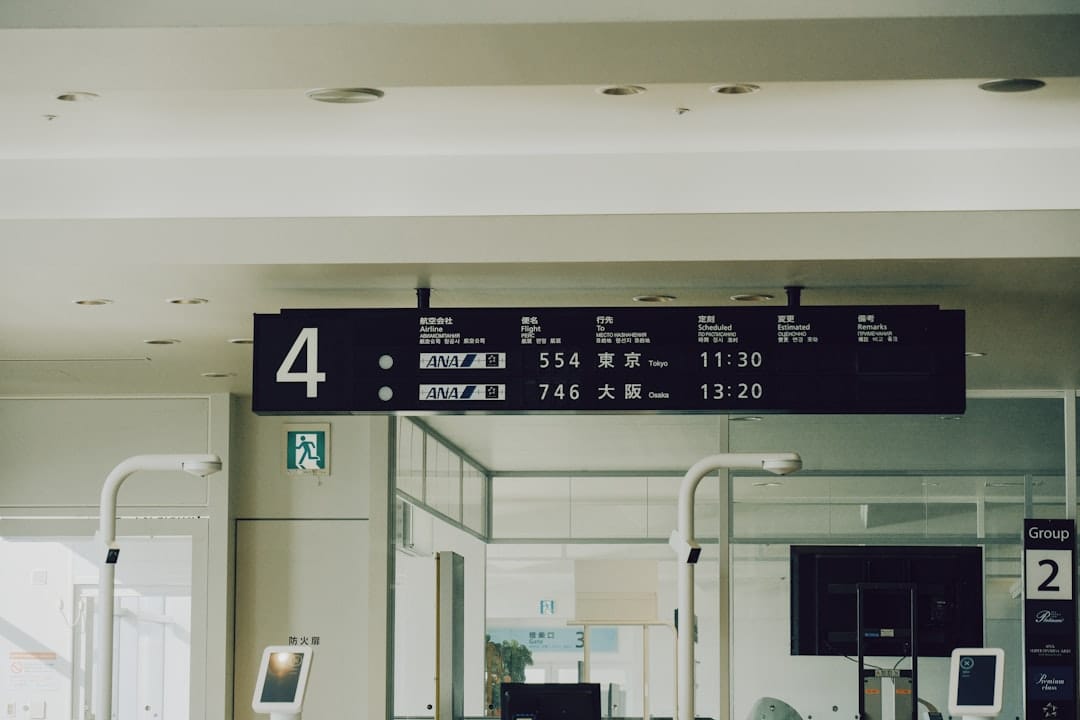
The Real Difference Between Carry-On and Checked
The Real Difference Between Carry-On and Checked
For illustration, here's a typical feature-by-feature comparison of how carry-on and checked bag allowances, restrictions, and trade-offs might vary across major airlines—noting that specific policies differ by carrier and fare class.
| Feature | Carry-On Bag | Checked Bag |
|---|---|---|
| Maximum size (inches) | 22 × 14 × 9 | 62 total (L+W+H) |
| Weight limit | Usually included | 50 lbs typical |
| Cost | Always free | $25–$75 per bag |
| Security/Loss risk | You keep it | Airline handles it |
| Speed through airport | Fast—skip baggage claim | Slower—wait for carousel |
Illustrative figures — composed for shape, not sourced
On paper, the distinction seems trivial: one bag fits in the overhead bin, the other rides in the belly of the plane. But the practical consequences ripple far beyond dimensions. A carry-on keeps everything within arm's reach — your laptop, your passport, your charging cables, the change of clothes you might need if a connection runs tight. It never gets lost by the airline, never arrives three days late in a different city, and never leaves you standing at a carousel watching identical black suitcases circle endlessly while yours fails to appear.
A checked bag, by contrast, buys you capacity and freedom from restriction. You can pack full-size toiletries, bulkier clothing, gifts, gear, and the small comforts that make a longer stay feel like living rather than merely visiting. You are not squeezing liquids into a transparent quart bag or agonizing over whether that extra pair of shoes will push you over the weight limit. The trade-off is time and trust: time spent at the counter and the carousel, and trust that the system will deliver your belongings intact.
For remote professionals, there is a third dimension that casual travelers often overlook: the value of your work equipment. A laptop, camera, external drives, and documents should never, under any circumstances, ride in a checked bag. They are irreplaceable in the short term and vulnerable to theft, damage, and loss. This single rule quietly resolves half the debate before it even begins — whatever else you decide, your work travels with you in the cabin.
When Carry-On Wins: Short Trips and Fast Moves
Picture a two-week hop through a handful of European cities, each stay lasting only a few nights before the next train or budget flight. In this scenario, carry-on is not just convenient — it is transformative. You move through airports like water, bypassing check-in queues entirely with an online boarding pass. You are the first out of the terminal, into a taxi, and settling into your accommodation while others are still watching the baggage claim screen. On short, multi-stop itineraries, every hour saved compounds into a genuinely more relaxed trip.
Carry-on also protects you from the specific chaos of tight connections and budget carriers. If a flight is delayed and you are sprinting across a terminal to make a connection, a checked bag can turn a stressful transfer into a lost-luggage nightmare. Traveling light removes that variable entirely. It also saves money — many low-cost airlines charge steep fees for checked bags, and those costs add up quickly across a trip built on frequent short flights. If you are working through the numbers of a location-independent lifestyle, those baggage fees belong in the same mental column as your other recurring travel costs.
The discipline of packing carry-on-only forces a useful clarity, too. When space is finite, you pack versatile, layerable clothing and leave behind the just-in-case items that rarely earn their place. A well-built work travel packing list is your best ally here, ensuring that everything you bring pulls double duty. After years of carry-on-only travel, one thing is clear: the constraint feels limiting for exactly one trip, and liberating for every one after that.
Enjoying this? Get more like it.
Weekly picks for remote workers and digital nomads — tools, destinations, and honest takes, straight to your inbox.
Subscribe free →
When Checking a Bag Makes Sense
When Checking a Bag Makes Sense
Decision matrix for when checked luggage is the practical choice based on trip type, duration, and baggage needs.
| Scenario | Carry-On Only | Check a Bag |
|---|---|---|
| Weekend getaway | Recommended | Optional |
| Business week | Ideal | Not needed |
| 2-week vacation | Difficult | Recommended |
| Multiple cities (3+) | Very difficult | Strongly recommended |
| Sports/specialised gear | Not feasible | Often only option |
Illustrative figures — composed for shape, not sourced
There is a romantic notion that the truly enlightened traveler never checks a bag. In reality, some trips demand it, and stubbornly refusing to check anything can make your travel worse rather than better. Consider a slow-travel stint where you plan to base yourself in one city for two or three months. When you are not hopping between airports every few days, the downsides of a checked bag largely evaporate — you check it once, retrieve it once, and then unpack into a home for the season. In exchange, you get the comfort of a fuller wardrobe, proper toiletries, and the small domestic items that make an extended stay feel grounded.
Climate and activity also tip the scales. If your destination swings between hot days and cold nights, or if you plan to hike, dive, ski, or attend events that require specific attire, the bulk quickly outgrows a single cabin bag. Winter travel in particular is notorious for this — a heavy coat, boots, and layers can devour carry-on space before you have packed anything else. Longer stays in places built for extended remote work, like the affordable destinations profiled in guides to slow travel cities on a budget, often justify the extra suitcase precisely because you are settling in rather than passing through.
The hybrid approach is often the smartest of all: a checked bag for the bulk of your belongings and a carry-on for your work equipment and essentials. This way, if the airline misplaces your suitcase, you still have your laptop, a change of clothes, and your critical documents to keep working and functioning until it catches up with you. It is the best of both worlds — capacity below, security above — and it is how many experienced long-stay travelers move through the world.
Common Mistakes That Sabotage Both Strategies
The most frequent error is failing to check the specific rules of the airline you are actually flying. Carry-on dimensions and weight limits vary wildly between carriers, and a bag that sails onto one aircraft may be flagged at the gate of another and charged a hefty last-minute fee — often more than a checked bag would have cost in the first place. Budget airlines are especially aggressive here, sometimes counting only a small personal item as free and charging for anything that goes in the overhead bin. Reading the fine print before you book, not at the gate, saves both money and dignity.
Another classic mistake is packing valuables or medication in a checked bag. Passports, cash, jewelry, prescription medicine, electronics, and anything you cannot easily replace should always be in the cabin with you. Along the same lines, travelers who check bags often forget to keep a single day's worth of essentials on their person — a spare shirt, toothbrush, and phone charger — which turns a delayed suitcase from a minor annoyance into a genuinely miserable first day. A little redundancy in your carry-on is cheap insurance against the airline's occasional failures.
Overpacking undermines both strategies equally. Carry-on travelers who cram their bag beyond its limits end up gate-checking anyway, losing all their hard-won speed. Checked-bag travelers who fill every cubic inch arrive with a suitcase they can barely lift and no room for anything acquired along the way. The antidote is honest self-assessment: pack for the life you will actually live on the trip, not the imagined version where you attend three galas and summit a mountain. If burnout and decision fatigue are already part of your travel life, a lighter, simpler bag is one fewer thing draining your energy — a small but real contribution to staying well on the road.
Matching Your Bag to Your Destination
Where you are headed should influence your packing as much as how long you are staying. Tropical, warm-weather destinations are carry-on heaven — light clothing takes almost no space, laundry dries in hours, and you can restock toiletries cheaply on arrival. If you are basing yourself somewhere warm and affordable for a month, you can often live comfortably out of a single cabin bag, buying anything you forgot at a local market for a fraction of what you would spend at home. The lighter you travel, the more freely you can move between neighborhoods and even between cities within your stay.
Colder or more variable climates demand more, and destinations with limited retail infrastructure demand more still. If you are heading somewhere remote where finding your preferred toiletries, medication, or specialized gear is difficult, the checked bag earns its keep by letting you bring what you need rather than gambling on local availability. Similarly, if your work involves equipment beyond a laptop — a camera kit, a portable monitor, an audio setup — you will need to think carefully about weight distribution, keeping the fragile electronics in the cabin and the bulkier accessories below.
Consider, too, the shape of your trip within the destination. If you land in one city and stay put, a larger checked bag is easy to manage. But if your plan involves internal travel — regional flights, long bus rides, ferries, or a lot of walking on cobblestone streets — a heavy suitcase becomes a burden you drag from place to place. Mapping your actual movements before you pack, rather than after you arrive, is the single most reliable way to choose correctly between wheels-up freedom and wheels-down capacity.
In the end, there is no universal winner in the carry-on versus checked-bag debate — only the right answer for a given trip. Short, fast, multi-city itineraries reward the discipline of traveling light, while long, single-base stays and cold or remote destinations justify the extra capacity a checked bag provides. The hybrid approach, keeping your work and essentials in the cabin while checking the rest, offers a sensible middle path that hedges against the worst-case scenarios without forcing you into monastic minimalism.
Whatever you choose, let the decision be deliberate rather than accidental. Look honestly at your route, your climate, your gear, and the life you intend to live once you land. Do that, and the moment at the check-in counter stops being a source of anxiety and becomes simply another small, confident step in a life spent moving well through the world.