How to Work as a Digital Nomad
Somewhere between the second cup of coffee and the first email of the morning, a quiet realization tends to settle in: the desk you're sitting at doesn't have to be in the building you commute to. It could be a balcony in Lisbon with the smell of grilled sardines drifting up from the street below. It could be a wooden table in a Chiang Mai café where the ceiling fans turn slowly and the wifi, improbably, is excellent. The idea of working from anywhere has moved from fantasy to genuine career path, and the people living it are no longer outliers.
But the glossy version of the digital nomad life — laptop on a beach, cocktail in hand — leaves out almost everything that actually matters. Real remote work happens in the unglamorous hours: the client call scheduled across three time zones, the search for a reliable internet connection in a new city, the slow discipline of keeping income steady while your surroundings change every few weeks. It's a lifestyle that rewards preparation far more than spontaneity.
This guide walks through how to actually work as a digital nomad — not the highlight reel, but the practical architecture underneath it. Whether you're planning your first month abroad or trying to make a stint on the road sustainable for the long haul, the goal is the same: build a working life that travels well.

Find Work That Actually Travels
The foundation of nomad life is income that isn't tied to a physical location, and there are broadly three ways to get there. The first is convincing an existing employer to let you go remote — often the smoothest path, because you already understand the work and the relationships are in place. The second is finding a fully remote job from the outset, which has become dramatically easier as companies build distributed teams by default. The third is freelancing or running your own business, which offers the most freedom and the most responsibility in equal measure.
Whichever route you choose, the work itself has to be genuinely portable. Skills that live entirely on a screen — writing, design, software development, marketing, consulting, customer support, project management — translate seamlessly across borders. Roles that depend on being physically present, or on precise nine-to-five overlap with a single office, tend to fray the moment you cross a couple of time zones. Before you book anything, ask an honest question: could you do this job well from a café in a country eight hours ahead? If the answer wobbles, it's worth reshaping the role before you leave, not after.
If you're still figuring out which direction suits you, it helps to look at the full landscape of options. There's a useful breakdown of remote careers built for travel that maps the most reliable paths, from entry-level support roles to high-skill technical work. Choose something you can grow into, not just something that pays the first plane ticket.
Build a Workspace You Can Carry Anywhere
Build a Workspace You Can Carry Anywhere
Essential workspace setup options for digital nomads with varying portability and cost requirements.
| Setup Component | Minimal Setup | Standard Setup | Premium Setup |
|---|---|---|---|
| Laptop Weight | Under 3 lbs | 3–4 lbs | 4+ lbs |
| External Monitor | No | Portable 15" | Dual 24" |
| Ergonomic Support | Laptop stand only | Stand + keyboard | Full dock setup |
| Internet Backup | Mobile hotspot | Portable WiFi | Dual ISP plan |
| Typical Monthly Cost | $50–100 | $150–300 | $400+ |
| Best For | Budget travelers | Most nomads | Remote executives |
Illustrative figures — composed for shape, not sourced
A common myth is that nomads work wherever the mood strikes. In reality, the people who last on the road are ruthless about their environment. A laptop alone is not a workspace — it's a starting point. Consistent, reliable internet is the single non-negotiable, which is why seasoned travellers carry a backup: a local SIM with a generous data plan, or a portable hotspot for the inevitable day the café wifi collapses during a video call. Losing connection mid-meeting is the fastest way to lose a client's confidence.
Comfort matters more than it seems, too. Hunching over a low table for eight hours will wreck your back within a week, so a compact laptop stand, a foldable keyboard, and a decent pair of noise-cancelling headphones earn their place in the bag many times over. These small pieces of gear transform any table into a functional office, and the difference in your focus is immediate. If you want to stock the bag thoughtfully, there's a solid rundown of must-have tools for a seamless remote work routine worth reading before you pack.
Then there's the question of where you actually sit each day. Some people thrive in cafés; others find the noise and the pressure to keep ordering exhausting. Coworking spaces offer reliable infrastructure and a built-in rhythm, while a growing number of nomads gravitate toward co-living setups that fold accommodation, workspace, and community into one. Experimenting early tells you which environment keeps you productive — because the best workspace is simply the one you can recreate no matter which city you wake up in.
Enjoying this? Get more like it.
Weekly picks for remote workers and digital nomads — tools, destinations, and honest takes, straight to your inbox.
Subscribe free →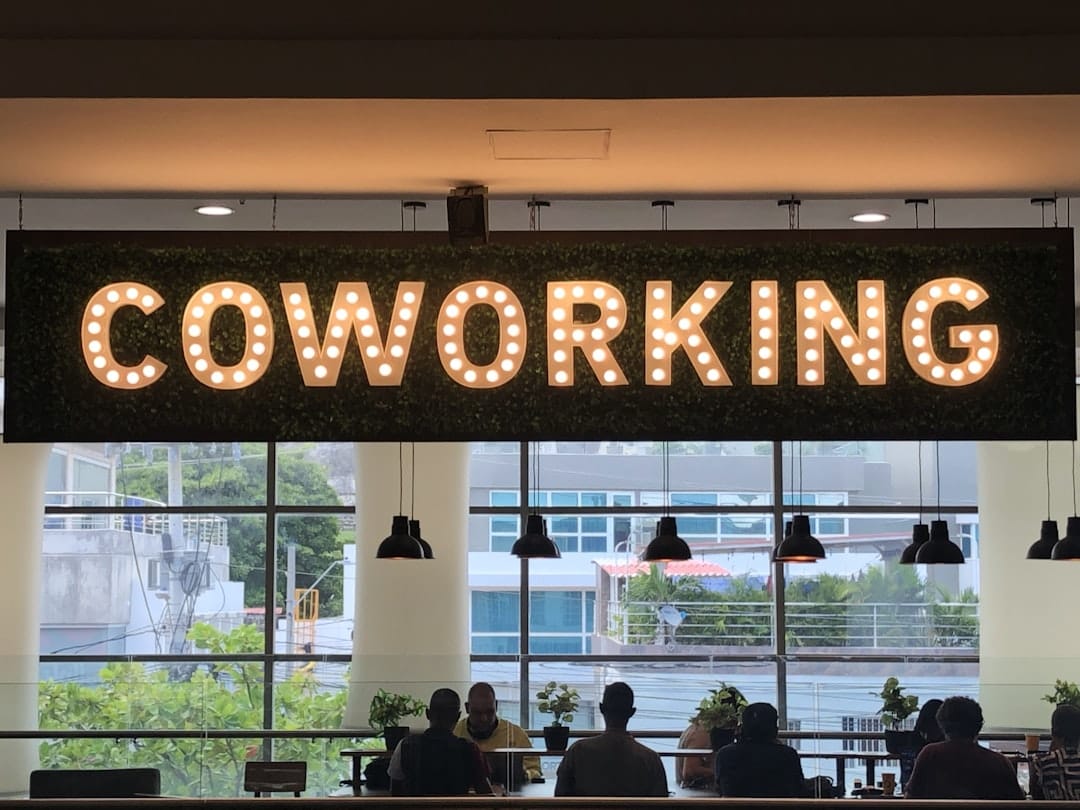
Master Your Money Before You Master Your Map
Nothing ends a nomad chapter faster than running out of money in an unfamiliar city. The lifestyle can be genuinely affordable — living well in parts of Southeast Asia, Latin America, or Eastern Europe often costs a fraction of a major Western city — but affordability is a plan, not an accident. Before departure, it's wise to build a cushion that covers at least three months of expenses, because irregular income and surprise costs are constants rather than exceptions on the road.
The mechanics of money need attention as well. A multi-currency account and a card that doesn't punish you with foreign transaction fees will quietly save hundreds over a year. Learn how you'll get paid across borders, how you'll handle taxes in your home country, and how currency swings affect what your income is actually worth in each place. These details feel tedious right up until the moment they aren't, and they're far easier to sort out before you leave than from a hostel bunk at midnight.
Housing is usually the largest line item, and it's also where careful nomads find the biggest savings. Monthly rentals negotiated directly, off-season stays, and co-living arrangements all trim costs dramatically compared to short nightly bookings. For a deeper framework, this guide to budgeting for digital nomads lays out a system for tracking spending across constantly shifting costs of living, which is the skill that separates a sustainable lifestyle from an extended, expensive holiday.
Protect Your Productivity Across Time Zones
The hardest part of working remotely rarely turns out to be the work — it's the discipline required when nobody is watching and the world outside is genuinely more interesting than your inbox. New cities are seductive. There's always a market to explore, a coastline to walk, a conversation spilling out of a bar. Without structure, the days blur and deadlines quietly slip. The nomads who thrive treat their working hours as fixed appointments and their exploring as the reward that follows, not the temptation that interrupts.
Time zones add a second layer of difficulty. If your team or clients sit half a world away, you'll need to decide whether to shift your schedule to overlap with theirs or lean hard into asynchronous communication — clear written updates, recorded walkthroughs, and thoughtful documentation that let work continue while others sleep. A practical way to hold the line is time blocking: reserving specific hours for deep focus, meetings, and admin so your day has shape even when your surroundings don't. There's a helpful breakdown of time blocking techniques for remote workers that adapts neatly to life across borders.
Just as important is guarding against burnout, which sneaks up on nomads in a particular way. When your office and your adventure occupy the same laptop, the boundary between work and life dissolves, and you can end up doing both badly. Protecting genuine downtime — closing the laptop fully, taking days entirely off, resisting the urge to answer messages at all hours — is what keeps the whole arrangement from collapsing. Sustainable pace beats heroic sprints every single time on the road.
Choose Destinations That Support the Work
Choose Destinations That Support the Work
Comparison of top digital nomad destinations on internet reliability, cost of living, and community support.
| Destination | Internet Reliability | Monthly Budget | Nomad Community |
|---|---|---|---|
| Chiang Mai, Thailand | Reliable | $800–1,200 | Very large |
| Lisbon, Portugal | Excellent | $1,500–2,000 | Growing |
| Bali, Indonesia | Variable | $900–1,300 | Very large |
| Mexico City, Mexico | Reliable | $1,200–1,600 | Large |
| Best Overall Pick | Lisbon | Chiang Mai | Chiang Mai |
Illustrative figures — composed for shape, not sourced
Not every beautiful place makes a good place to work, and learning to tell the difference is a core nomad skill. The most romantic destinations sometimes have the least reliable infrastructure — patchy power, slow connections, or a time zone so far from your clients that overlap becomes painful. When you're evaluating a potential base, weigh the practical factors first: internet speed, cost of living, visa rules, safety, and a community of other remote workers who can smooth the landing. The scenery is a bonus, not the deciding vote.
Established nomad hubs earn their reputation precisely because they've solved these problems. Places like Lisbon, Medellín, Bali's Canggu, Mexico City, and Chiang Mai offer fast wifi, abundant coworking, reasonable prices, and an easy social scene, which is why so many travellers cycle through them. For those who want to trade a mountain view for the sound of waves, there's a useful list of affordable beach remote work destinations with coworking and co-living options close to the sand.
Once you arrive, resist the urge to move too fast. Slow travel — staying weeks or months rather than days in each place — is almost always better for both your work and your wallet. Constant movement is exhausting and expensive, and it never gives you the chance to build the routines that make you productive. Settling in for a while lets you find the good café, learn which mornings the market is busiest, and befriend the people who turn a foreign city into somewhere that feels, for a time, a little like home.
Working as a digital nomad is less a single leap than a series of small, deliberate systems: portable income, a workspace you can rebuild anywhere, money you understand, a schedule you defend, and destinations chosen with your head as well as your heart. Get those pieces in place and the lifestyle stops feeling precarious and starts feeling, remarkably, like a normal way to live.
The freedom is real, but it belongs to the prepared. Start where you are — shape your work to travel well, build your buffer, test your setup — and the first city on the road becomes not a gamble but the natural next step of a life you've quietly engineered to go anywhere.