Digital Nomad Living Costs Breakdown by Region
There is a particular thrill in the moment you first open a spreadsheet titled "cost of living" and start plugging in numbers for a country you have never set foot in. Bangkok. Lisbon. Medellín. Tbilisi. The figures glow on the screen like coordinates to a life you can almost taste — the morning coffee at a corner café, the rent on an apartment with a balcony, the price of a train ticket to somewhere you cannot yet pronounce. But numbers on a screen only tell part of the story. The real cost of living somewhere is woven into the texture of daily life, and it shifts dramatically depending on which corner of the world you plant yourself in.
For location-independent professionals, understanding the digital nomad cost of living by region is not just about budgeting — it is about designing a life that fits your income, your pace, and your appetite for adventure. A monthly budget that feels cramped in Amsterdam can feel positively luxurious in Chiang Mai. The same laptop, the same client work, the same you — but a wildly different lived experience depending on the longitude.
This is a region-by-region journey through what it actually costs to live and work abroad. Not a sterile list of averages, but a felt sense of the money that moves through your hands in each part of the world — and how to make it stretch further, wherever you land.

Southeast Asia: The Perennial Budget Haven
Southeast Asia has long been the spiritual home of the budget-conscious nomad, and for good reason. In cities like Chiang Mai, Da Nang, and Bali's Canggu, you can build a genuinely comfortable life on somewhere between 1,000 and 1,500 US dollars a month. Picture a furnished studio with fast fibre internet for 300 to 450 dollars, plates of steaming pho or khao soi for two dollars at the market stall on your corner, and a scooter humming beneath you as you weave through morning traffic toward a co-working space that costs less than a fancy cocktail back home.
The magic of this region is not merely that things are cheap — it is that the low cost of living buys you time. When rent and food swallow only a fraction of your income, you can afford to work fewer hours, take on projects you actually care about, and pour the surplus into savings or slow exploration. Many find that the region is the ideal launchpad for anyone learning to build location-independent income, precisely because the financial runway lasts so much longer here than almost anywhere else on earth.
That said, the cheapest headline numbers can be deceptive. Western comforts — imported cheese, a gym membership at an air-conditioned studio, weekend flights to nearby islands — add up quickly, and they are the very things that keep you sane during a long stint abroad. Budget a realistic 1,300 dollars rather than an aspirational 800, and you will find Southeast Asia delivers a quality of life that punches far above its modest price tag.
Latin America: The Middle Ground With Soul
Cross the Pacific and you land in a region that occupies a fascinating middle ground. Medellín, Mexico City, Buenos Aires, and Lisbon-adjacent Atlantic outposts offer a lifestyle that costs more than Southeast Asia but comes wrapped in a culture that many find irresistibly warm. In Medellín's leafy El Poblado neighbourhood, a modern one-bedroom apartment runs somewhere between 500 and 800 dollars, while a set lunch — the beloved menú del día — still costs a handful of dollars in local eateries a few streets from the tourist zones.
A comfortable monthly budget across much of Latin America lands between 1,500 and 2,200 dollars, depending heavily on the city and your lifestyle. Buenos Aires can swing dramatically with the peso, offering steak dinners and world-class wine at prices that feel almost unreal one month and less so the next. Mexico City, by contrast, has grown notably pricier as remote workers have flooded in, pushing rents in trendy neighbourhoods toward levels that would not look out of place in a mid-sized American city.
What Latin America offers, beyond the numbers, is a time zone that aligns beautifully with North American clients — a quiet superpower for anyone whose income depends on afternoon calls with people in New York or Chicago. You can take a morning Spanish class, work a focused afternoon, and still have your evenings free. For a closer look at where your money stretches furthest, it is worth exploring some of the top slow-travel cities on a budget, many of which sit squarely in this part of the world.
Enjoying this? Get more like it.
Weekly picks for remote workers and digital nomads — tools, destinations, and honest takes, straight to your inbox.
Subscribe free →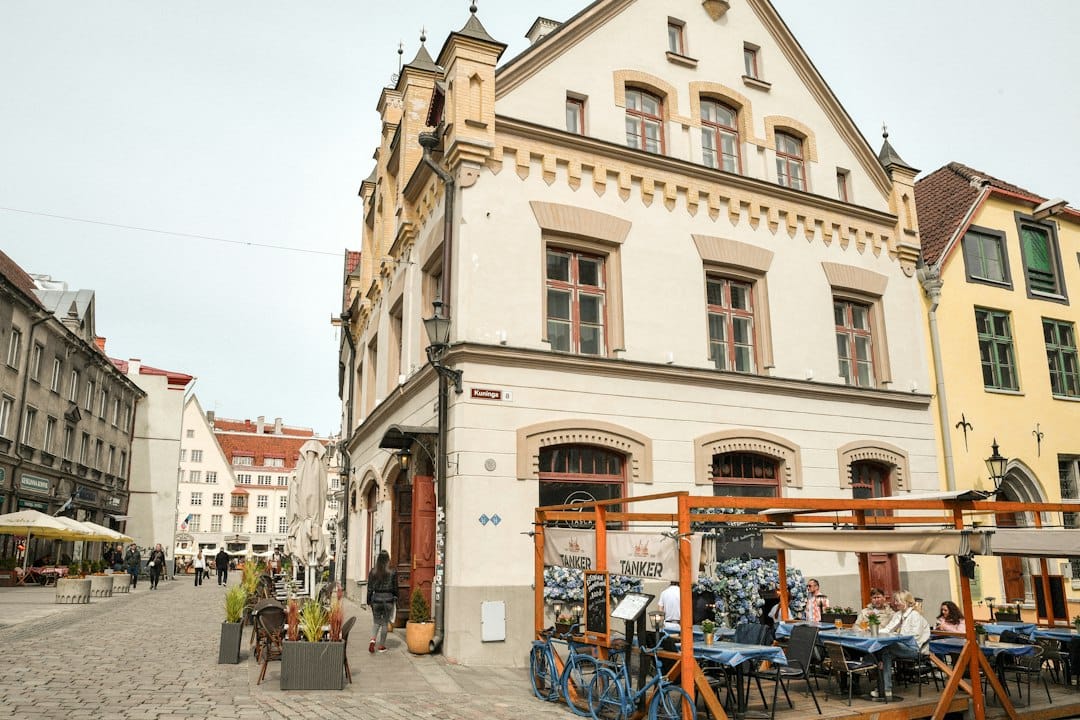
Europe: From Bargain Balkans to Blissful Expense
Europe: From Bargain Balkans to Blissful Expense
For illustration, a typical monthly budget comparison across European nomad destinations might range from budget to premium options.
| City | Budget ($) | Mid-Range ($) | Comfortable ($) |
|---|---|---|---|
| Sofia, Bulgaria | $800–1000 | $1200–1500 | $1800–2200 |
| Porto, Portugal | $1000–1200 | $1500–1800 | $2200–2800 |
| Prague, Czech Republic | $900–1100 | $1400–1700 | $2000–2500 |
| Barcelona, Spain | $1400–1600 | $2000–2500 | $2800–3500 |
Illustrative figures — composed for shape, not sourced
Europe resists a single number more stubbornly than any other continent, because the gap between its cheapest and most expensive corners is vast. In the Balkans — Belgrade, Tbilisi (technically the Caucasus, but spiritually adjacent), Sofia, Tirana — you can still find the kind of value that surprises even seasoned travellers. A central apartment for 400 to 600 dollars, espresso for a euro, and a rich café culture where lingering for hours over a single drink is not just tolerated but expected. A monthly budget of 1,400 to 1,800 dollars goes a long way in these under-the-radar cities.
Move west and the meter starts spinning. Lisbon and Porto, once the darlings of the budget-nomad scene, have seen rents climb steeply as demand outpaced supply. Expect to spend 2,500 to 3,500 dollars a month for a comfortable life in Lisbon, Barcelona, or Berlin, and considerably more in Amsterdam, Paris, or the Swiss cities that price themselves for a different clientele entirely. The trade-off is obvious the moment you arrive: seamless infrastructure, superb rail connections, and the ability to hop between countries on a weekend whim.
One quiet way to soften Europe's higher costs is to lean on shared living arrangements rather than solo apartments. Splitting a place through a co-living community not only cuts the rent but folds you instantly into a social circle — a genuine antidote to the isolation that can creep in when you land somewhere expensive and know nobody. The best co-living spaces for affordable housing can shave hundreds off a monthly budget in even the priciest European capitals.
The Hidden Costs Nobody Puts in the Spreadsheet
Regional averages are seductive, but they conceal a whole category of expenses that quietly erode the budgets of first-time nomads. Health insurance, for one, does not disappear when you leave home — a decent international policy runs somewhere between 50 and 200 dollars a month depending on your age and coverage, and skipping it is a gamble that occasionally ends careers. Then there are visa runs, the periodic border-hop or paperwork shuffle required to stay legal, each one costing flights, accommodation, and a day or two of lost productivity.
Connectivity is another silent line item. Reliable internet is the lifeblood of remote work, and when the apartment Wi-Fi falters — as it inevitably will at the worst possible moment — you need a backup. A local SIM with a generous data plan is the cheapest insurance you can buy, and learning the cheapest ways to use your phone abroad can save you a small fortune over a year of hopping between countries. Factor in co-working memberships too — even the most disciplined among us eventually crave the accountability and community of a dedicated workspace, and those passes typically run 100 to 200 dollars a month.
Perhaps the most underestimated cost of all is the price of moving too fast. The temptation to bounce between destinations every few weeks is real, but every relocation means flights, deposits, and the exhausting churn of setting up life again from scratch. Slow travel is not only richer and more immersive — it is dramatically cheaper. Monthly rental rates undercut nightly ones by a huge margin, and staying put lets you find the neighbourhood market rather than the tourist-priced convenience store.
Building a Budget That Travels With You
Once you understand how costs shift by region, the practical work begins: building a budget flexible enough to move with you. Start with a baseline of fixed costs that follow you everywhere — insurance, software subscriptions, phone plans, and any debt or savings commitments back home. These do not care which country you are in, and they form the non-negotiable floor of your monthly spend. Layer on top the variable regional costs — rent, food, transport, and leisure — and you have a framework you can recalculate in minutes whenever a new destination catches your eye.
A useful rule of thumb is to keep your total cost of living at or below half your income, leaving room to save, invest, and absorb the inevitable surprises. If your work still fluctuates month to month, choosing cheaper regions early buys you breathing room while you stabilise your earnings. This is exactly why so many people plot a careful course when they first transition from a 9-to-5 to a nomad lifestyle — the lower your burn rate, the more forgiving those uncertain first months become.
Finally, treat your budget as a living document rather than a fixed decree. Track your real spending for the first month in any new place and compare it honestly against your projections. You will almost always discover a category you underestimated — perhaps the coffee habit that ballooned, or the weekend trips that seemed too good to skip. Adjusting as you go turns budgeting from a source of anxiety into a quiet form of freedom, one that lets you say yes to the experiences that matter and no to the ones that were only ever going to drain your account.
The truth about the digital nomad cost of living is that there is no single answer — only a spectrum of trade-offs between price, comfort, culture, and pace. Southeast Asia gives you time and savings. Latin America gives you soul and a friendly time zone. Europe gives you infrastructure and a passport-stamp collection, at a price. The art lies in matching the region to the season of life you are in, and in staying nimble enough to move when the numbers, or your heart, tell you to.
Wherever you point your compass next, remember that the goal is not simply to live cheaply — it is to live well within your means, wherever those means will carry you. Do the maths, pad your estimates, honour the hidden costs, and then let yourself be surprised by how far a thoughtfully planned life on the road can actually stretch.