Best US Exit Destinations for Peace & Urban Living
There comes a moment, somewhere between the third doom-scroll of the morning and the second cup of coffee gone cold, when the idea of leaving lodges itself in your chest and refuses to budge. Maybe it's the cost of everything. Maybe it's the noise — not just the literal traffic, but the relentless hum of a life lived at a pace nobody actually chose. For a growing number of remote professionals, the question is no longer whether to step away from the familiar American grind, but where to go that still feels like home while offering something gentler in return.
The good news is that exiting the high-stress, high-cost centers doesn't have to mean exiting the country entirely, nor does it mean trading the energy of a city for total isolation. There exists a middle path — places that hold onto walkable streets, decent coffee, fast internet, and a thread of cultural life, while letting the volume down on the chaos. These are the destinations where peace and urban living are not opposites but quiet collaborators.
What follows is a considered look at where to land if calm is the priority but you still want sidewalks under your feet and a community within reach. Whether you're a domestic mover hunting for a softer city or a digital nomad plotting a base before heading abroad, the principles hold: seek the human scale, the green edges, and the infrastructure that lets work happen without friction.
What Makes a City Peaceful Without Being Empty
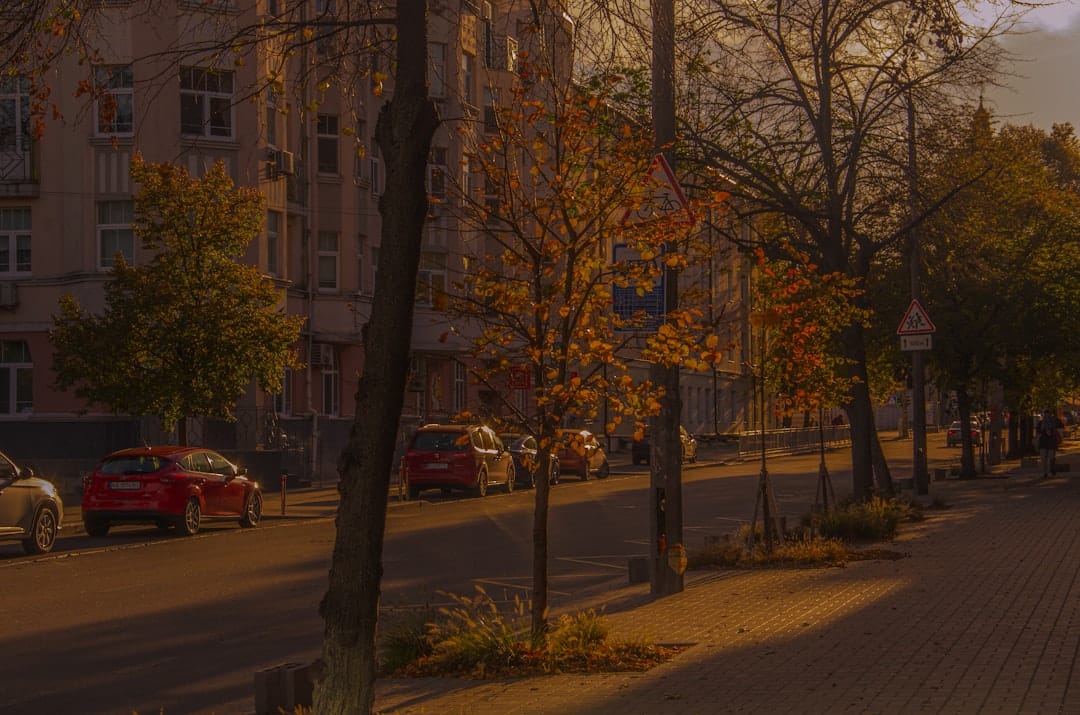
Peace, in the urban context, is rarely about silence. A truly restful city is one where you can hear birdsong from your window and still walk ten minutes to a bookshop, a farmers market, or a café where the barista knows your order by the second week. The trick is human scale — neighborhoods built before the car demanded everything, where life happens at a pace that lets you breathe between obligations. When you're evaluating a potential landing spot, notice how the streets feel at dusk. Are people walking? Is there a hum of conversation, or only the rush of traffic to somewhere else?
Green space matters more than most relocation guides admit. Cities with mature trees, accessible parks, and water nearby — a river, a lake, a coastline — consistently report higher resident wellbeing, and the reason is physiological as much as poetic. After a day staring at a screen, the difference between a concrete canyon and a leafy trail is the difference between burnout and recovery. If you're already wary of the way remote work can blur every boundary, the surrounding environment becomes part of your wellness strategy rather than an afterthought.
Then there's the infrastructure question, which separates the dreamy from the workable. A peaceful city is no use to a remote professional if the broadband stutters or there's nowhere to escape the apartment when cabin fever strikes. Look for places with established coworking culture, reliable fiber internet, and a few third spaces where focused work is welcomed rather than tolerated. The best exit destinations marry the calm of a small town with the connectivity of a metropolis — a combination that, until recently, was almost impossible to find.
The Standout US Cities for Calm Urban Living
Asheville, North Carolina has long been a magnet for those fleeing larger cities, and the appeal is easy to understand once you've walked its streets on a cool autumn morning. Tucked into the Blue Ridge Mountains, it offers a downtown dense with independent cafés and galleries, yet a fifteen-minute drive delivers you to trailheads and waterfalls. The remote work community here is genuine and visible — you'll find people with laptops on porches, in breweries, and in the handful of coworking spaces that have sprung up to meet demand. The cost of living, while rising, still undercuts the coastal megacities by a comfortable margin.
Further west, Boise, Idaho has quietly become one of the country's most livable mid-sized cities. The Greenbelt — a ribbon of paths tracing the river through the heart of town — means you're never far from a lunchtime walk among cottonwoods. Boise pairs a low-key, friendly culture with a surprisingly robust food and arts scene, and the surrounding high desert and foothills offer endless room to roam on weekends. For someone seeking a base that feels safe, walkable, and unhurried without sacrificing urban amenities, it's hard to beat. If you want more inspiration on stretching your budget across appealing locations, our roundup of slow travel cities for digital nomads on a budget is a useful companion piece.
Don't overlook the smaller surprises either — Burlington, Vermont, with its compact, lake-fronted downtown and college-town energy; Chattanooga, Tennessee, which built one of the fastest municipal internet networks in the nation specifically to attract knowledge workers; or Bend, Oregon, where the high desert light and the proximity to mountains create a rhythm of work and outdoor escape that feels almost Scandinavian. Each of these places threads the needle between somewhere lively enough to feel alive and quiet enough to actually rest.
Enjoying this? Get more like it.
Weekly picks for remote workers and digital nomads — tools, destinations, and honest takes, straight to your inbox.
Subscribe free →
Setting Up Your Remote Work Life in a New City
Setting Up Your Remote Work Life in a New City
Essential setup requirements and support availability across three popular peaceful US relocation destinations.
| Setup Feature | Boulder, CO | Asheville, NC | Portland, OR |
|---|---|---|---|
| Coworking Spaces | 15+ Options | 8+ Options | 20+ Options |
| Internet Speed (Mbps) | 300–500 | 100–250 | 250–400 |
| Housing Availability | Limited | Moderate | Good |
| Community Events | Frequent | Frequent | Frequent |
| Cost of Living | Higher | Moderate | Higher |
| Best for Remote Setup | Tech Professionals | Budget-Conscious | Creative Workers |
Arriving somewhere new with the intention to stay is a different animal from passing through. The first task is finding a place to work that isn't your kitchen table, because nothing erodes the peace you came for faster than a home that's also your office at every waking hour. Scout the local coworking scene before you sign a lease, and consider that the right shared space does more than provide a desk — it offers an instant community in a town where you know no one. If you're weighing whether co-living might suit you for the early months, our guide to finding the best co-living spaces for remote workers walks through the trade-offs in detail.
Housing strategy in a calm city often rewards patience. Resist the urge to commit to a year-long lease before you've spent a few weeks understanding the neighborhoods — the difference between two streets can be the difference between morning quiet and the rumble of a delivery route. Many movers find a month-to-month rental or a furnished short-term stay buys them the time to feel out where they actually want to put down roots. It costs a little more upfront, but it saves the far greater expense of being trapped somewhere that doesn't fit.
Once the logistics settle, the deeper work begins: building a routine that honors why you left in the first place. It's tempting, in a new and exciting place, to work the same frantic hours and simply do it against a prettier backdrop. The whole point is to do better. Establish boundaries early — a defined start and stop, a walk that bookends the day, a standing reservation with a local trail or café. Tools like time blocking can protect your focus so the workday ends when it should, leaving the evening genuinely free for the slower life you came to build.
Common Mistakes People Make When They Relocate for Peace
The most frequent miscalculation is assuming that a change of place will automatically deliver a change of state. Geography is powerful, but it is not magic. If overwork, anxiety, and the inability to switch off followed you from a big city, they will board the plane with you and unpack in the new apartment too. The peaceful city offers the conditions for calm, but you still have to do the work of choosing it daily — protecting your time, resisting the pull of the next ambition, allowing yourself to be bored on a Tuesday afternoon. For many remote workers, learning to manage the internal noise matters as much as escaping the external kind, which is why staying ahead of digital nomad burnout deserves a place in your relocation plan.
Another classic error is underestimating the loneliness of a slower place. The very quiet that drew you in can curdle into isolation if you don't build connection intentionally. Big cities throw people at you whether you want them or not; smaller, calmer cities require effort. Join a running club, show up at the coworking space's weekly mixer, take the pottery class you keep bookmarking. The peace is worth nothing if you have no one to share a long quiet dinner with at the end of the week, and community in these towns tends to reward those who simply keep showing up.
Finally, beware the romance of the move blinding you to the practicalities. People fall for a place on a sunny weekend visit and forget to check what February feels like, or whether their internet plan can support a full video-call workday, or how far the nearest specialist doctor sits from the dreamy cabin they almost rented. The calm life still runs on infrastructure. Do the unglamorous research — climate across all four seasons, healthcare access, the actual cost of utilities and groceries — before the heart fully commits. A peaceful city you can't function in is just a beautiful trap.
Choosing a destination for peace and urban living is, at its core, an act of editing — deciding which parts of city life you can't live without and which parts you're finally ready to release. The cities that work best for this kind of move are the ones that refuse the false choice between energy and calm, offering instead a walkable downtown wrapped in green, a community that welcomes the newly arrived, and the connectivity that makes remote work feel effortless rather than precarious.
Wherever you land, give yourself the grace of a slow arrival. Let the new place reveal itself street by street, season by season. The whole point of leaving was to live at a more human pace — so start the moment you put down your bags, and let the city you chose teach you how to rest.