Best countries to actually buy a place to live in
At some point, the rented apartment hopping loses its charm. After a few years of living out of a carry-on, the idea of having a place that is genuinely yours — a kitchen you can stock, a desk you can keep, a base you can return to between trips — starts to sound less like settling down and more like freedom. The good news for any digital nomad is that buying property abroad has never been more accessible.
But not all countries are created equal when it comes to foreign buyers. Some welcome outside money with open arms and clear titles; others bury you in restrictions, ownership loopholes, and bureaucratic dead ends that can swallow your savings whole. The difference between a smart purchase and an expensive mistake usually comes down to research you do before you ever sign anything.
This roundup covers the countries where remote workers can actually buy a place to live — countries with reasonable laws, livable infrastructure, and the kind of lifestyle that keeps location-independent people coming back. Less theory, more practical signal. Here is where buying property abroad makes real sense.
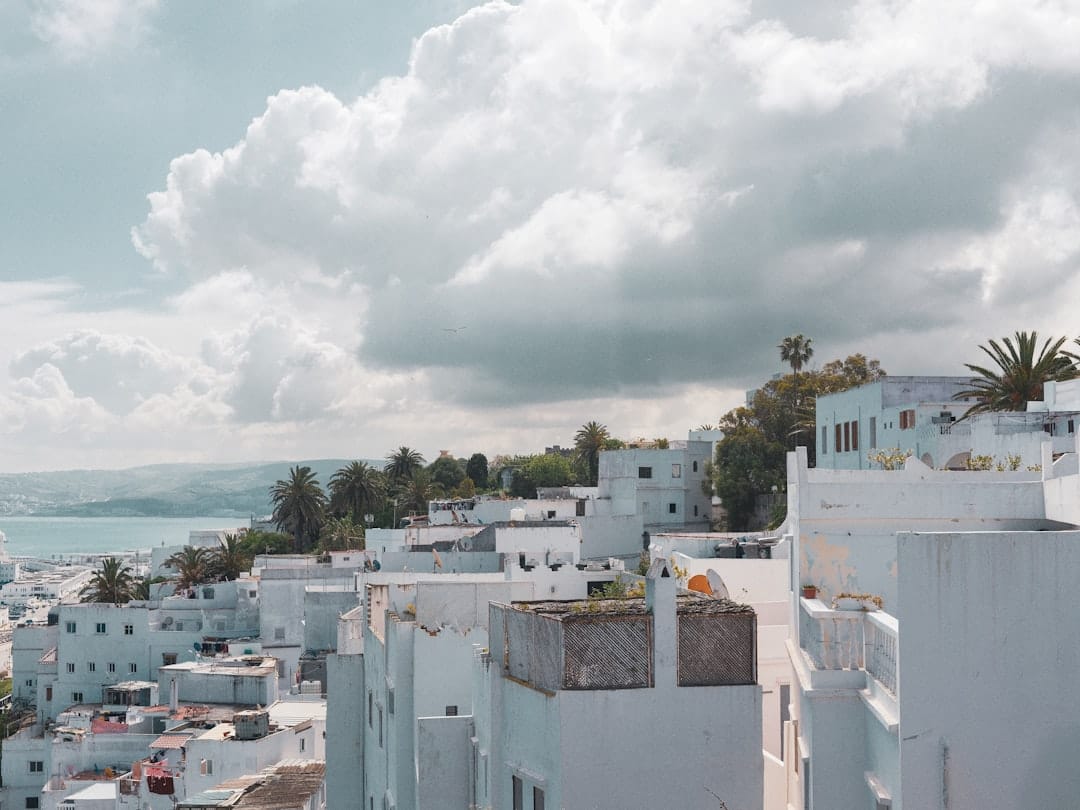
Portugal: The Established Favourite for First-Time Buyers
Portugal earned its reputation as a nomad property haven for good reason. Foreigners can buy almost any kind of property with the same rights as locals, the legal process is transparent, and you only need a Portuguese tax number (NIF) and a local bank account to get started. Lisbon and Porto have climbed in price, but the Silver Coast, the Algarve interior, and the central region still offer real value for buyers who look beyond the headline cities.
What makes Portugal especially friendly to remote workers is the combination of solid internet, a large existing expat community, and one of Europe's better climates. You can find a renovated apartment in a mid-sized town for a fraction of what the same lifestyle costs in Western Europe, and the residency pathways for non-EU nationals remain among the most navigable on the continent. Many buyers pair a purchase with the D8 digital nomad visa, then settle in slowly.
The one caution: do your homework on older buildings. Charming stone cottages and historic centre apartments can hide expensive structural surprises, and renovation timelines run long. Budget for a proper survey and a bilingual lawyer who is not connected to the seller. If you are still testing whether a place feels like home, browsing affordable slow travel cities first can help you narrow the region before you commit to bricks and mortar.
Mexico: Big Lifestyle, Surprising Legal Nuance
Mexico is a perennial favourite for North American nomads, and for good reason: low cost of living, vibrant cities, year-round warmth, and a time zone that keeps you aligned with US clients. Buying in places like Mérida, Oaxaca, or the Lake Chapala area is genuinely affordable, and the colonial architecture means you can own something with character that would cost ten times as much elsewhere.
The wrinkle is the restricted zone. If you want a place within roughly 50 kilometres of the coast or 100 kilometres of a border, foreigners cannot hold the title directly. Instead you buy through a fideicomiso — a bank trust that holds the property on your behalf, renewable and inheritable, but with annual fees. Inland, this restriction disappears and you can own outright. Understanding this distinction before you fall in love with a beachfront condo saves a great deal of confusion.
Infrastructure varies wildly by region. Major cities and established expat hubs have excellent fibre internet; smaller pueblos may not. Visit during the season you would actually live there, test the connection from any property you are serious about, and factor reliable backup internet into your budget. Mexico rewards buyers who scout in person rather than purchasing sight unseen.
Enjoying this? Get more like it.
Weekly picks for remote workers and digital nomads — tools, destinations, and honest takes, straight to your inbox.
Subscribe free →
Spain and Greece: Europe Without the Premium
Spain remains one of the most straightforward European markets for foreign buyers. There are no restrictions on non-residents purchasing property, the legal framework is mature, and outside of Barcelona and Madrid the prices are reasonable. Valencia in particular has become a magnet for remote workers — fast internet, a walkable city, beaches nearby, and a property market that still offers genuine value. Smaller cities like Granada and Alicante stretch a budget even further.
Greece offers a similar proposition with even lower entry prices in many areas. Islands and mainland towns alike have seen renewed interest from remote workers, and the country actively courts foreign capital. The buying process involves a Greek tax number and a local lawyer, but ownership rights for non-EU buyers are clear. The trade-off is bureaucracy that moves at its own pace and properties that may need significant updating — energy efficiency and heating are common weak spots in older Greek homes.
For either country, the smart move is to rent in your target area for a season before buying. Living somewhere through a quiet winter month tells you far more than a sunny week of viewings ever will. Use that time to learn the neighbourhoods, test commutes, and quietly build a sense of whether the place suits your working rhythm. A few months in a co-living space can be a low-commitment way to scout a city before you sign a deed.
Georgia and Panama: The Easy-Entry Wildcards
Georgia and Panama: The Easy-Entry Wildcards
Head-to-head comparison of residency requirements, property costs, and legal ease across four emerging markets.
| Factor | Georgia | Panama | Mexico |
|---|---|---|---|
| Foreign Ownership | Allowed | Allowed | Restricted |
| Average Property Price | $120,000 | $185,000 | $165,000 |
| Time to Complete Purchase | 4–6 weeks | 6–8 weeks | 8–12 weeks |
| Language Barrier | Moderate | Low | Low |
| Visa Not Required | Yes | Yes | Varies |
| Best for Entry-Level Buyers | Highly Recommended | Recommended | Advanced Buyers |
Georgia (the country, not the US state) is one of the most underrated property markets for nomads. Foreigners can buy apartments outright with almost no restrictions, the process is famously fast, and Tbilisi offers a low cost of living alongside surprisingly good internet and a growing remote work community. The country's liberal visa policy — many nationalities can stay a full year visa-free — makes it easy to live somewhere while you decide whether to buy there. Prices in Tbilisi and Batumi remain low by European standards.
Panama has long marketed itself to expats and retirees, and it shows in how smooth the buying experience can be. Foreigners enjoy the same property rights as citizens, the US dollar is the de facto currency (no exchange risk for dollar earners), and Panama City offers genuine first-world infrastructure with fast connectivity. The Friendly Nations and other residency programmes give remote workers a clear long-term pathway, and there is a deep pool of bilingual lawyers who handle foreign purchases daily.
Both countries reward caution on the title side. In Georgia, verify the property is properly registered and free of disputes through the public registry — it is efficient but worth confirming. In Panama, distinguish between titled property and rights-of-possession land, which is cheaper but legally murkier and not recommended for first-time foreign buyers. Stick to fully titled property and you remove most of the risk.
Common Mistakes to Avoid Before You Sign
The single biggest error remote buyers make is treating a foreign purchase like a familiar one. Always hire an independent lawyer who represents only you — never the seller's recommended contact. Run a full title search, confirm there are no outstanding debts or liens attached to the property, and get everything translated by someone you trust. The few hundred dollars this costs is trivial against the price of getting it wrong.
The second mistake is underestimating total cost. Headline prices rarely include transfer taxes, notary fees, legal fees, and ongoing property taxes, which together can add ten to fifteen percent on top of the purchase price. Build a buffer, model the running costs in the local currency, and stress-test your finances against a weaker income month. Sound budgeting fundamentals matter even more when your money is tied up in property abroad.
Finally, do not buy before you have lived somewhere through a full cycle of seasons and moods. A destination that feels magical on a two-week holiday can feel isolating in low season when the cafes empty out and the internet slows. Rent first, build a local network, and confirm the place genuinely supports the way you work before you commit capital you cannot easily move.
Buying a place to live as a remote worker is no longer the exotic gamble it once was. Countries like Portugal, Spain, Greece, Mexico, Georgia, and Panama have made the process navigable, the prices reasonable, and the lifestyle worth the leap — provided you approach it with patience and a good lawyer. The best market for you is the one where you can both afford the property and genuinely enjoy your daily life there.
Start by shortlisting two or three countries, then spend real time in each before you spend real money. The freedom of owning your own base is worth doing right — and the difference between a dream home and an expensive lesson is almost always the homework you do before signing.