Best Countries to Move to on $500-$1,200/Month Income
Here's a number that quietly changes lives: $500 to $1,200 a month. In much of North America or Western Europe, that barely covers a studio apartment. But cross the right border and the same money buys a comfortable apartment, daily meals out, reliable fast internet, and enough left over to actually save. The trick isn't earning more — it's spending where your money goes further.
This guide breaks down the best countries to move to on a modest income, the kind of budget a freelancer, junior remote worker, or part-time consultant can realistically hit. We're not talking about backpacker survival mode either — these are places where a thoughtful budget delivers a genuinely good standard of living.
Whether you're chasing tropical beaches, mountain towns, or buzzing capital cities, the right destination can stretch a small paycheck into a rich, full life. Let's get into where that money works hardest.
ℹ️ This content is for informational purposes only and does not constitute financial advice. Consult a qualified financial adviser before making financial decisions. Full disclaimer →
What $500-$1,200 Actually Buys Abroad
Before naming destinations, it helps to understand what this budget realistically covers. At the lower end — around $500 a month — you're looking at smaller cities and towns in Southeast Asia, South Asia, and parts of Latin America. You'll rent a modest apartment or a room in shared housing, eat mostly local food, and rely on public transport or a scooter. It's comfortable, but you'll be budgeting consciously.
Push toward $1,000-$1,200 and the experience transforms. Now you can afford a private one-bedroom apartment in a desirable neighbourhood, eat out several times a week, join a coworking space, and still set money aside. In many countries this budget puts you firmly in the local middle class — sometimes above it. The key variable is always rent, which can swing from $150 to $600 depending on the city and how local you're willing to live.
The smartest move is to track your spending obsessively for the first month, then adjust. A solid budgeting framework matters more than the destination itself — read the ultimate guide to budgeting for digital nomads before you book anything. Knowing your real numbers is what turns a tight budget into a sustainable lifestyle.
Southeast Asia: The Budget Champion
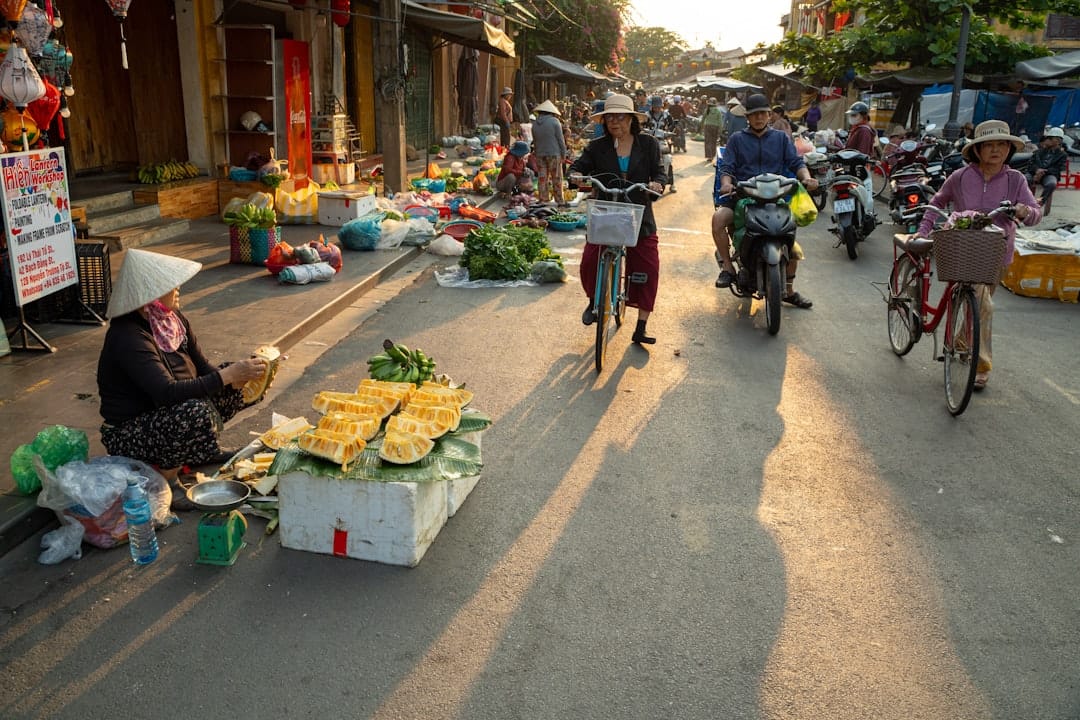
Vietnam remains the undisputed value king. In Da Nang or Hanoi, $700-$900 a month covers a clean modern apartment, scooter rental, daily street food, and a coworking membership with change to spare. The internet is fast and cheap, the coffee culture is exceptional, and the digital nomad community is large enough to never feel isolated. Da Nang in particular blends beach mornings with productive afternoons better than almost anywhere on earth.
Thailand is the genre's poster child for good reason. Chiang Mai lets you live well on $800-$1,000, with Bangkok costing a touch more for big-city energy. Cambodia and Indonesia round out the region — Bali's Canggu and Ubud are pricier than they used to be, but inland towns and Lombok still deliver remarkable value. Across the region, $1,200 is genuinely comfortable, often luxurious by local standards.
The catch is visas. Most Southeast Asian countries don't offer easy long-stay options for remote workers, so you may juggle tourist visas and border runs — though Thailand's newer long-stay visas have eased this. If beach access is your priority, browse these affordable coworking and coliving spots near the beach to find your ideal base.
Enjoying this? Get more like it.
Weekly picks for remote workers and digital nomads — tools, destinations, and honest takes, straight to your inbox.
Subscribe free →
Latin America: Same Timezone, Lower Costs
Latin America: Same Timezone, Lower Costs
Feature comparison of three popular Latin American budget destinations for remote workers.
| Feature | Mexico City, Mexico | Medellín, Colombia | Tegucigalpa, Honduras |
|---|---|---|---|
| Monthly Budget | $850–$1,100 | $700–$950 | $550–$750 |
| Co-working Spaces | Abundant | Good selection | Limited |
| Time Zone Match (US) | Central/Mountain | Eastern | Central |
| Internet Reliability | Excellent | Good | Moderate |
| Community Size | Very large | Large | Small |
| Best For | Culture & networking | Cost & lifestyle | Ultra-budget travel |
If you work with North American clients, Latin America's timezone alignment is a quiet superpower. Mexico leads the pack — Oaxaca, Mérida, and Guanajuato all sit comfortably under $1,000 a month, offering colonial charm, world-class food, and a thriving expat scene. Mexico City costs more but rewards you with one of the most dynamic urban cultures anywhere. The Temporary Resident Visa also makes longer stays straightforward for those who qualify.
Colombia is the rising star, with Medellín's spring-like climate and modern infrastructure drawing remote workers year-round. Smaller cities like Pereira or Santa Marta stretch a $700 budget even further. Ecuador deserves a mention too — Cuenca is a long-time favourite for its low cost of living, mild weather, and welcoming community, with monthly budgets often landing comfortably under $900.
Argentina is the wildcard. Economic volatility means prices for foreigners can be astonishingly low when you spend wisely, and Buenos Aires offers European elegance at a fraction of European prices. The trade-off is unpredictability — but for adventurous budget travellers, the upside is hard to beat. For more inspiration on affordable, slow-paced bases, check out these top digital nomad destinations on a budget.
Eastern Europe and Beyond: The Underrated Picks
Don't overlook Eastern Europe if you want walkable cities, four seasons, and easy access to the rest of the continent. Georgia is a standout — Tbilisi offers a one-year visa-free stay for many nationalities, lightning-fast internet, incredible food and wine, and monthly costs that hover around $800-$1,000. Albania, Bulgaria, and parts of Romania deliver similar value with EU proximity and a growing nomad presence.
Further afield, South Asia offers the absolute lowest costs on the planet. India and Nepal can be done on $500 a month with room to breathe, though infrastructure and air quality vary widely by city. Goa and the Himalayan foothills attract long-stay remote workers seeking a slower, cheaper rhythm. Turkey's Istanbul and coastal towns also sit nicely in the $800-$1,100 range, bridging Europe and Asia in every sense.
Wherever you land, your housing choice makes or breaks the budget. Co-living spaces often bundle rent, utilities, fast internet, and community into one predictable monthly fee — a smart hedge against surprise costs. Learn how to choose well with this guide to finding the best co-living spaces for remote workers.
Common Mistakes That Wreck a Tight Budget
Common Mistakes That Wreck a Tight Budget
Common budget pitfalls for remote workers on $500–$1,200/month and practical solutions.
| Mistake | Impact | Solution |
|---|---|---|
| Ignoring visa costs upfront | $200–$500 shock | Factor visas into first-month planning |
| Booking mid-range accommodation | Blows 60% of budget | House-sit or rent shared apartments |
| Eating at tourist restaurants | 3× local food costs | Shop markets, cook at home |
| Multiple subscriptions/services | $100–$150/month leakage | Audit recurring charges monthly |
| No emergency reserve | One crisis ends trip | Save $100–$200 before departure |
The biggest budget killer is moving too fast. Constant flights, deposits, and the convenience spending that comes with being a newcomer add up quickly. Slow travel — staying one to three months per place — unlocks monthly rental discounts, lets you shop like a local, and dramatically reduces transport costs. The nomads who burn through cash are almost always the ones hopping cities every week.
Another trap is the expat bubble. Eating at Western restaurants, drinking imported beer, and renting in the most touristy neighbourhood can easily double your costs. The locals around you live well on far less — follow their lead on markets, transport, and neighbourhoods. You'll save money and have a richer experience for it. Cooking even a few meals a week instead of always eating out adds up fast.
Finally, don't ignore the hidden costs: travel insurance, visa fees, the occasional emergency, and reliable backup internet. Build a small buffer into every monthly budget so one bad week doesn't derail the whole plan. And if your income feels precarious, consider stabilising it before you go — diversifying your work or even exploring multiple remote income streams can turn a tight budget into a comfortable one.
Living abroad on $500 to $1,200 a month isn't a fantasy — it's a deliberate choice that millions of remote workers make every year. The destinations exist, the communities are welcoming, and the math works out far better than staying put in a high-cost home country. What separates success from struggle is planning: choosing the right base, moving slowly, and respecting your budget.
Start with one country that excites you, run the numbers for a single month, and book a stay long enough to find your rhythm. The freedom of a small income going a very long way is closer than you think — pick a destination and take the first step.