10 Minimalist Packing Tips For Cold Weather Travel: How To Pack Light and Stay Warm
Cold weather travel is where most minimalist packing strategies fall apart. Warm clothes are bulky, heavy, and impossible to compress — or so it seems. The reality is that staying warm and packing light are not opposing goals. They both depend on the same principles: layering, fabric choice, and ruthless editing of what you actually wear.
If you work remotely and move between climates, you already know the cost of overpacking: checked baggage fees, aching shoulders, and a wardrobe you barely touch. Fall and winter raise the stakes because the wrong call leaves you genuinely cold rather than just inconvenienced.
This guide breaks cold-weather minimalism into ten actionable tips. You'll learn how to build a layering system, which fabrics earn their place, the mistakes that bloat a bag, and how to adapt for specific destinations. Everything here is designed to fit in a single carry-on.
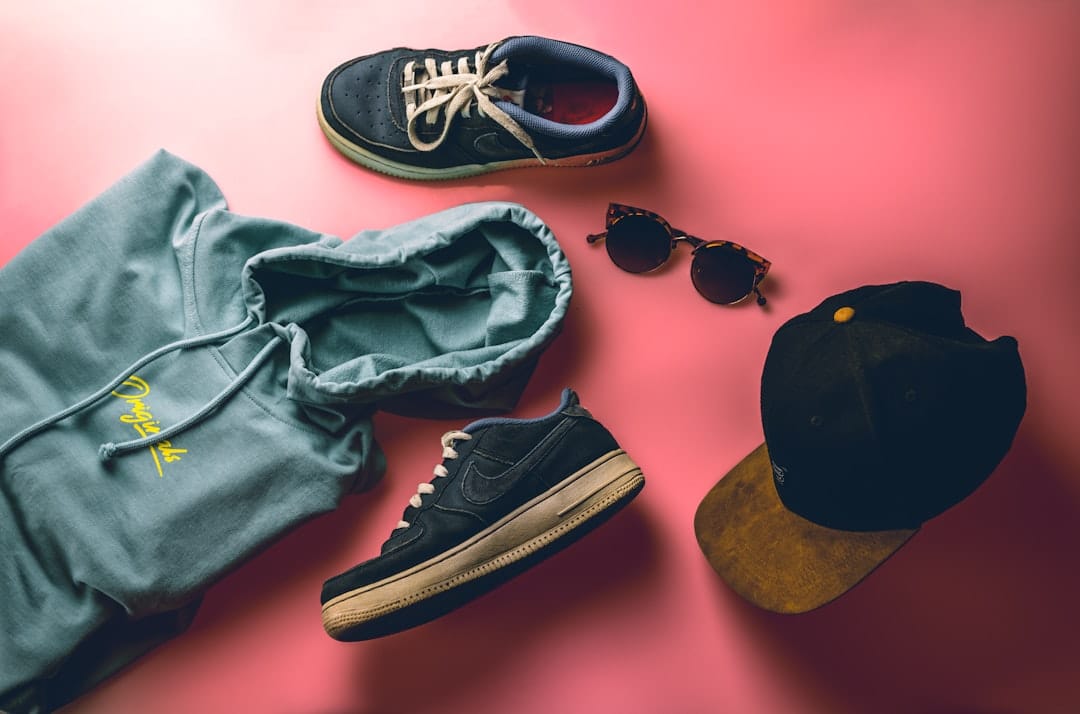
Master The Three-Layer System First
Master The Three-Layer System First
Recommended fabric choices for each layer of the three-layer cold-weather system.
| Layer | Best Material | Weight Class | Key Benefit |
|---|---|---|---|
| Base Layer | Merino wool | Lightweight | Moisture-wicking |
| Mid Layer | Fleece or down | Mid-weight | Insulation |
| Outer Layer | Synthetic shell | Lightweight | Water-resistant |
The single most important concept in cold-weather packing is layering. Instead of one heavy coat that only works in one temperature, you carry three thin layers that combine to handle a wide range of conditions. The system has three parts: a base layer that wicks moisture off your skin, a mid layer that traps warm air, and an outer shell that blocks wind and rain.
The beauty of this approach is flexibility. On a mild autumn afternoon you might wear just the base layer. In a freezing alpine town you stack all three. This means you pack far less than someone hauling separate outfits for different temperatures. One well-chosen set covers conditions from roughly 15°C down to well below freezing.
Start your packing plan here. Decide on one base layer set, one or two mid layers, and a single shell. Everything else you bring should complement this core, not duplicate it. If a garment doesn't fit into the layering logic, question why it's in your bag.
Choose Merino Wool And Technical Fabrics
Fabric choice is what separates a smart minimalist kit from a heavy one. Merino wool is the standout for cold-weather travel because it's warm relative to its weight, naturally resists odour, and can be worn several days between washes. A merino base layer worn for a week still smells fresh, which directly reduces how much you need to pack.
For mid layers, look at fleece or lightweight down. Down offers the best warmth-to-weight ratio and compresses to almost nothing, making it ideal for a packable jacket that stuffs into its own pocket. Synthetic insulation is a sensible alternative if you expect wet conditions, since it retains warmth even when damp.
Avoid cotton for anything next to your skin. It absorbs moisture, dries slowly, and leaves you cold once you sweat. Technical fabrics cost more upfront, but for anyone serious about living the location-independent lifestyle, they pay for themselves in packing space and versatility.
Enjoying this? Get more like it.
Weekly picks for remote workers and digital nomads — tools, destinations, and honest takes, straight to your inbox.
Subscribe free →
Build A Tight Capsule Wardrobe
A capsule wardrobe is a small set of garments that mix and match into many outfits. For cold weather, choose a neutral palette — black, grey, navy, and earth tones — so every top works with every bottom. When everything coordinates, you need fewer pieces to feel like you have variety.
A solid winter capsule for a week or more might look like this: two base-layer tops, one merino sweater, one fleece or down mid layer, one weatherproof shell, two pairs of trousers, and five to seven days of underwear and socks. Add a hat, gloves, and a scarf and you've covered nearly any situation a city or trail throws at you.
The discipline here is in saying no. Every extra item you add increases weight and reduces flexibility. Before adding a garment, ask whether it pairs with at least three things you're already bringing. If it doesn't, leave it. A tight capsule also makes laundry simpler, which matters when you're working from coworking spaces or co-living houses and don't have endless time for chores.
Avoid The Most Common Cold-Weather Mistakes
Avoid The Most Common Cold-Weather Mistakes
Common cold-weather packing mistakes and practical solutions to stay warm while travelling light.
| Common Mistake | Impact on Warmth | Smart Alternative | Weight Saved |
|---|---|---|---|
| Overpacking jackets | Bulky & heavy | One quality shell | 2–3 kg |
| Cotton base layers | Poor moisture control | Merino wool blend | 0.5 kg |
| Insufficient accessories | Heat loss at extremities | Compact glove + hat set | 0.3 kg gained |
| Rigid itinerary | Can't adapt to climate | Flexible layering plan | 1–2 kg |
The biggest mistake is packing one heavy coat instead of layers. A single bulky parka eats half your bag, can't be adjusted when you overheat indoors, and forces you to wear it on the plane to save space. Replace it with a packable insulated layer plus a shell and you regain enormous flexibility.
Another frequent error is bringing too many shoes. Footwear is heavy and bulky, so limit yourself to one pair of comfortable, weatherproof boots you wear in transit and a single lightweight backup. Wearing your heaviest shoes on travel days alone can free up significant space in the bag itself.
People also forget that extremities matter most. You lose meaningful heat through your head, hands, and feet, yet these items are small and light. A thin beanie, glove liners, and two pairs of warm wool socks weigh almost nothing but transform how cold you feel. Skipping them to save a sweater's worth of space is a poor trade. Finally, don't underestimate indoor heating — overpacking heavy clothing leaves you sweating in cafes and trains, so plan to peel layers as easily as you add them.
Pack Smart Gear And Compression Tools
Compression packing cubes are the single best tool for shrinking bulky winter clothes. They squeeze air out of fleece and down, often halving the volume your soft items take up. Group your layers logically — one cube for base layers, one for mid layers — so you can find what you need without unpacking the whole bag.
Choose a carry-on backpack or case in the 35 to 45 litre range. Resisting the urge to size up is itself a packing strategy: a smaller bag physically prevents overpacking and keeps you under airline carry-on limits, avoiding fees and the wait at baggage claim. For remote workers, a dedicated laptop compartment and a separate pocket for cables and chargers keep your work tools organised and accessible.
A few small accessories punch above their weight. A microfibre travel towel dries fast and packs flat. A universal sink stopper lets you hand-wash merino in any accommodation. And a packable tote or daypack gives you a lightweight option for day trips without dragging your full bag around a cold city.
Adapt Your Kit To The Destination
Minimalism doesn't mean packing identically for every trip. A damp, mild winter in a coastal European city demands a fully waterproof shell and quick-drying layers far more than insulation. A dry continental winter with hard frosts calls for thicker mid layers and serious attention to your gloves and hat. Check the typical conditions for your dates before you finalise the kit.
Consider how you'll spend your days, too. If you're mostly working indoors and only commuting between a coworking space and your accommodation, you need less heavy-duty gear than someone planning long hikes or snow sports. Many digital nomads find that basing themselves in one city for a slow-travel winter reduces the range of conditions they need to pack for, simplifying the whole kit.
When in doubt, buy on arrival. If you're spending the entire winter somewhere genuinely frigid, it's often smarter to pack for milder conditions and pick up one heavy local item once you land. This avoids hauling extreme-weather gear through airports and gives you something appropriate to the actual climate rather than your worst-case guess.
Cold-weather minimalism comes down to a handful of repeatable decisions: build around a three-layer system, choose merino and technical fabrics, keep your wardrobe tight and coordinated, and use compression tools to tame the bulk. Get those right and you can stay genuinely warm with nothing more than a single carry-on, even through fall and winter.
Start with one trip. Lay out your capsule, run each item through the three-pairings test, and resist the urge to add just-in-case extras. The lighter you travel, the more freedom you have to move, work, and explore without your bag holding you back.