Digital Nomad Visa Eligibility by Country 2026
The digital nomad lifestyle has shifted from niche curiosity to mainstream career choice — and governments around the world have noticed. More than 50 countries now offer some form of digital nomad visa, giving location-independent workers a legal, structured way to live abroad without overstaying tourist allowances or operating in a grey area. If you've been wondering whether you qualify, you're not alone. Eligibility questions are among the most searched topics in the remote work community, and the answers vary more than most people expect.
ℹ️ Immigration rules change frequently and vary by country. Always verify with official government sources or consult a qualified immigration lawyer. Full disclaimer →
The core idea behind these visas is straightforward: you earn your income remotely from clients or an employer based outside your host country, and in exchange, the host country lets you stay legally for an extended period — typically six months to two years, sometimes renewable. But the specific requirements around income thresholds, employment type, health insurance, and documentation differ significantly from one country to the next. Getting clear on the general eligibility picture before diving into specific country rules will save you a lot of wasted research time.
This guide breaks down who typically qualifies for a digital nomad visa, which countries offer them, how specific programs like Portugal's D8 or Barbados's Welcome Stamp work in practice, and — for US citizens specifically — which options tend to be the most accessible. Whether you're a freelancer, a full-time remote employee, or a business owner, there's likely a program that fits your situation.

Understanding the Basics: What These Visas Are Actually For
Before looking at eligibility in detail, it helps to understand what digital nomad visas are designed to do. These programs exist because standard tourist visas were never built for people who work online. Overstaying or working on a tourist visa — even remotely, for a foreign employer — is technically illegal in most countries. Digital nomad visas close that gap. They provide a recognised legal status that lets you live in a country, pay for local goods and services, and contribute to the local economy without taking jobs away from residents.
Most programs are not work permits in the traditional sense. They don't allow you to take up local employment or work for companies based in the host country. They're specifically designed for people whose income originates elsewhere. That distinction matters when you're filling out application forms — and it's often the source of confusion for applicants who are employed by a company in their home country but work fully remotely.
It's also worth noting that these visas are different from residency-by-investment programs or long-stay retirement visas, though some countries bundle similar financial requirements into all three. A digital nomad visa is specifically tied to active remote work income — not passive investment income, not pension payments, and not a one-time capital transfer.
Who Is Eligible for a Digital Nomad Visa?
Eligibility for a digital nomad visa generally comes down to four core criteria, though the specific thresholds vary by country. First, you need to demonstrate that you earn your income remotely — either as a freelancer with clients outside the host country, as a remote employee of a foreign-based company, or as the owner of a business registered outside the host country. Second, you need to meet a minimum monthly income requirement. This ranges from as low as $1,500 per month in some Latin American countries to $3,500 or more in European destinations like Portugal or Germany.
Third, you'll almost universally need proof of valid health insurance that covers you in the host country. Some programs require a policy with a minimum coverage amount; others simply require that you have active coverage. Fourth, you'll need a clean criminal record — typically documented through a background check issued in your home country or country of residence. Beyond these basics, some countries add their own requirements: proof of accommodation for the first month, a minimum bank balance held in reserve, or a letter from your employer confirming your remote work arrangement.
In terms of professional profile, digital nomad visas are open to a wide range of workers. Software developers, designers, writers, marketers, consultants, project managers, customer success specialists, and online educators all routinely qualify. The key is that your work can be done entirely online and that your clients or employer are not based in the country you're applying to. If you run a location-dependent business — a restaurant, a retail store, or a local services firm — a digital nomad visa is not the right category for you.
Which Countries Offer Digital Nomad Visas?
As of 2025, more than 50 countries have introduced a formal digital nomad visa or an equivalent long-stay remote work permit. In Europe, Portugal's D8 Visa remains one of the most popular options, offering a renewable two-year stay with a pathway to permanent residency. Spain launched its Digital Nomad Visa in 2023 under the Startup Act, targeting remote workers earning above a defined monthly threshold. Germany, Greece, Croatia, Estonia, and the Czech Republic all have active programs with varying income and documentation requirements.
In the Caribbean and Latin America, options tend to be more accessible from an income standpoint. Barbados's Welcome Stamp, Antigua and Barbuda's Nomad Digital Residence, and Costa Rica's Rentista Visa are among the most straightforward to obtain. Mexico doesn't have a branded digital nomad visa, but its Temporary Resident Visa functions similarly and is widely used by the nomad community. Colombia, Brazil, and Panama have also introduced or expanded programs in recent years.
Asia has been slower to adopt formal digital nomad visa programs, but that's changing. Thailand launched its Long-Term Resident (LTR) Visa, which includes a remote worker category for individuals earning above $80,000 per year. Indonesia introduced the Second Home Visa as an alternative for Bali-based nomads. Malaysia's DE Rantau program is designed specifically for digital professionals and offers a 12-month stay with optional renewal. Japan has also piloted a digital nomad visa on a limited basis, signalling that the region is moving in this direction.
What About the EB-3 Visa — Is It Relevant for Remote Workers?
The EB-3 visa comes up occasionally in digital nomad searches, but it's worth being clear: it is not a digital nomad visa and is not well-suited to the nomadic lifestyle. The EB-3 is a US employment-based immigrant visa for skilled workers, professionals, and unskilled workers who have a job offer from a US employer willing to sponsor them for permanent residency. It leads to a Green Card, not a temporary stay permit, and it requires you to be physically working in the US for that employer.
As for whether it's easy to get — the short answer is no, not for most people. The EB-3 process involves labour market testing (the PERM process), employer sponsorship, lengthy USCIS processing times, and for applicants from high-demand countries like India and China, potentially decade-long backlogs due to visa quota limits. Processing times even for less backlogged nationalities typically run 18 months to several years from start to Green Card.
If you're a digital nomad researching visa options and the EB-3 came up in your search, it's likely not what you're looking for. If your goal is to live and work remotely in another country while maintaining your existing income streams, focus on the dedicated digital nomad visa programs listed above. If your goal is to eventually immigrate to the US and work there, the EB-3 may be relevant — but it's a fundamentally different category of immigration pathway.
The Easiest Digital Nomad Visas for US Citizens to Get
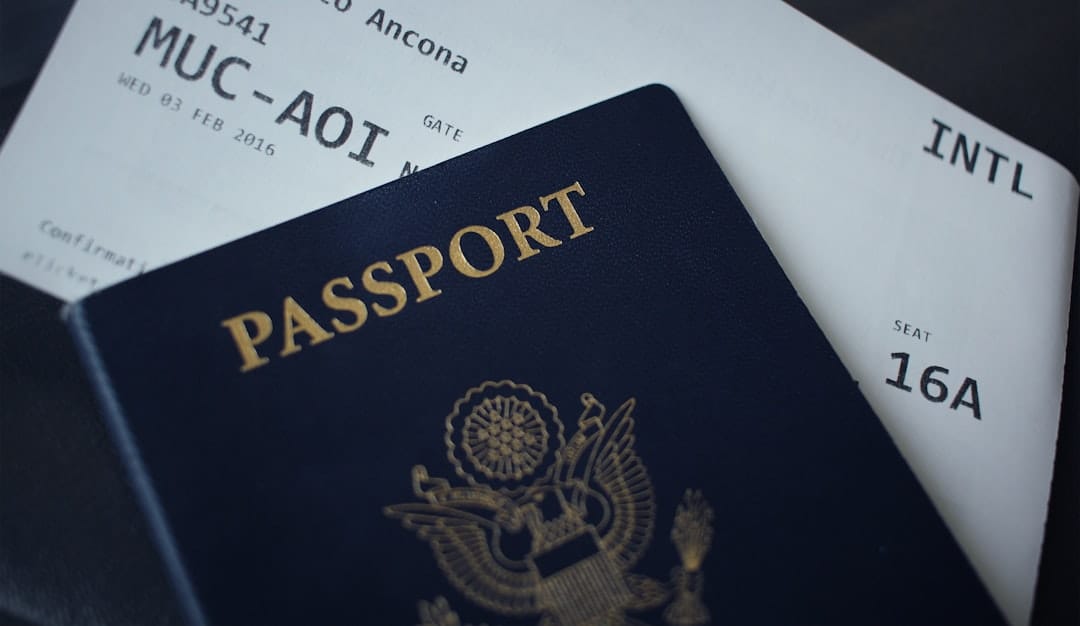
US passport holders are in a relatively strong position when it comes to accessing digital nomad visa programs. The US passport provides visa-free or visa-on-arrival access to most countries that offer these programs, which simplifies the initial entry and application process. That said, "easiest" depends on your income level, how quickly you need to move, and your tolerance for bureaucratic paperwork. Here are the programs that consistently rank as most accessible for US citizens.
Barbados's Welcome Stamp is widely considered one of the most straightforward digital nomad visas available. It requires proof of income above $50,000 per year, valid health insurance, and a $2,000 application fee. The application is processed online, approval typically comes within a few weeks, and the visa grants a 12-month stay. Costa Rica's program is similarly accessible, with a lower income threshold and a well-established expat infrastructure. Panama's Short Stay Visa for remote workers is another solid option, especially given its proximity to the US and its dollarised economy.
In Europe, Portugal's D8 Visa is popular among US citizens looking for a longer-term base with EU access and an eventual path to residency. The income requirement — roughly €3,040 per month as of recent updates — is achievable for many remote professionals, and Portugal has a well-developed support ecosystem for expats navigating the process. Greece's Digital Nomad Visa has a lower income threshold and faster processing times, making it an attractive alternative for those who want a European base without the Portugal backlog. If you're considering Europe and want the most straightforward application experience, Greece is worth prioritising.
Choosing the right digital nomad visa comes down to matching your income, lifestyle preferences, and long-term plans to the requirements of a specific program. If you're just starting out and want maximum flexibility with minimal bureaucracy, Caribbean options like Barbados or Antigua are hard to beat. If you're thinking longer term — European residency, eventual citizenship, or a stable home base with strong infrastructure — Portugal or Spain are worth the extra paperwork investment.
The digital nomad visa landscape is evolving quickly, and new programs are announced regularly. The best move is to confirm current requirements directly with the consulate or official immigration authority of your chosen destination before you apply — income thresholds, application fees, and documentation requirements are updated more frequently than most third-party resources keep up with. Get the current official requirements, prepare your documents carefully, and you'll be in a strong position to make your remote work life fully legal wherever you choose to base yourself.
Who Is Eligible for a Digital Nomad Visa?
A comparison of core eligibility requirements across three popular digital nomad visa tiers.
| Requirement | Entry-Level | Mid-Tier | Premium |
|---|---|---|---|
| Min. Monthly Income | $1,500–$2,000 | $2,500–$3,500 | $4,000+ |
| Remote Employment Proof | Yes | Yes | Yes |
| Health Insurance | Optional | Required | Required |
| Criminal Background Check | Varies | Yes | Yes |
| Self-Employed Accepted | Yes | Yes | Yes |
| Application Complexity | Low | Moderate | High |
| Best For | New nomads | Established freelancers | Senior remote workers |