What should you not forget when packing for a trip?
There is a particular kind of freedom that settles over you the moment you step through airport security with nothing but a single bag slung over your shoulder. No baggage carousel roulette, no anxious waiting beside a conveyor belt, no dragging a wheeled suitcase across cobblestones at midnight. Just you, your carry-on, and the open road. For digital nomads and seasoned slow travelers, this is not a compromise — it is a philosophy. The bag becomes a discipline, a constant reminder that you need far less than you think.
But packing light is not the same as packing smart. Plenty of travelers have arrived in Lisbon in February with only linen shorts, or touched down in Bangkok without a single power adapter. The art of carry-on only travel is really the art of intentional preparation — knowing exactly what you need, understanding the rules that govern what you can bring, and having a system that makes the whole thing feel effortless rather than stressful.
Whether you are heading out on a two-week work stint in Southeast Asia or embarking on a months-long slow travel adventure through budget-friendly nomad destinations, this guide will walk you through the systems, rules, and forgotten essentials that separate the seasoned carry-on traveler from the one who is always one overstuffed zipper away from disaster.
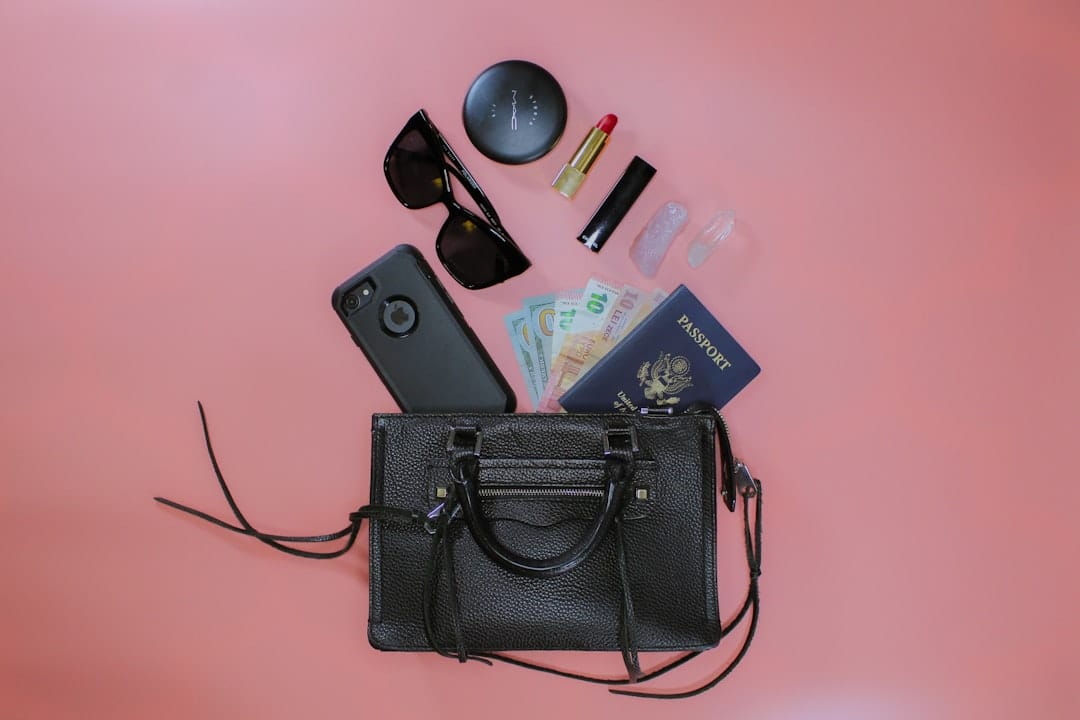
How to Actually Travel with Only a Carry-On
The first thing most people get wrong about carry-on only travel is thinking it requires sacrifice. It does not — it requires a different way of thinking. The goal is not to cram everything you own into a smaller space but to fundamentally reconsider what "everything" even means. Most long-term nomads will tell you the same thing: after the first month, you stop missing the items you left behind and start resenting the ones you brought.
The practical starting point is choosing the right bag. Most airlines allow carry-on bags up to 22 x 14 x 9 inches, though this varies by carrier — always check before you fly. A 40-liter backpack or a structured hard-shell cabin case both work beautifully; the choice comes down to whether you are hiking between hostels or gliding through business hotels. Packing cubes are not optional — they are the architecture of the well-packed bag, letting you compress clothing and keep categories separated so you are not excavating the entire bag to find a charging cable at midnight.
The mindset shift that makes all the difference is embracing the "wear it, wash it" approach. When you choose clothing in merino wool or quick-dry technical fabrics, a single base of five or six pieces can take you through two weeks of varied weather and activities. Many co-living spaces and hostels have laundry facilities, and laundromats are cheaper in most of the world than people expect. Co-living spaces in particular tend to have excellent communal laundry setups designed exactly for this kind of lifestyle. Pack for a week, live for a year.
The 5-4-3-2-1 Packing Method Explained
The 5-4-3-2-1 Packing Method Explained
A breakdown of the 5-4-3-2-1 packing method showing the recommended quantity for each clothing category.
| Category | 7-Day Trip | 14-Day Trip |
|---|---|---|
| 5 × Tops | Included | Included |
| 4 × Bottoms | Included | Upgrade required |
| 3 × Layers | Included | Limited |
| 2 × Shoes | Included | Included |
| 1 × Hat / Acc. | Included | Included |
| Overall Value | Recommended | Add-on cost |
The 5-4-3-2-1 packing trick is one of those systems that sounds almost too simple until you actually try it — and then it becomes the framework you never travel without. The idea is to give yourself strict numerical limits for each clothing category, forcing intentionality rather than the "just in case" panic-packing that leads to bags you can barely lift.
The breakdown goes like this: 5 sets of socks and underwear, 4 tops, 3 bottoms, 2 pairs of shoes, and 1 jacket or outer layer. That is your entire clothing allowance. Within those constraints, the magic is in choosing pieces that work across contexts — a linen shirt that doubles as a beach cover-up and a smart-casual dinner option, a pair of dark chinos that reads as both workwear and evening wear. Every item needs to earn its place by serving at least two purposes.
For remote workers who might be attending the occasional video call between beach days, the formula holds up beautifully. One clean, wrinkle-resistant top, a tidy background (or a virtual one), and a quiet spot with decent wifi — that is all a professional video presence actually requires. The remaining carry on only travel tips layer on top of this clothing framework: your tech kit, your toiletries, your documents. But starting with clothing sorted, the rest becomes much easier to reason through.
Enjoying this? Get more like it.
Weekly picks for remote workers and digital nomads — tools, destinations, and honest takes, straight to your inbox.
Subscribe free →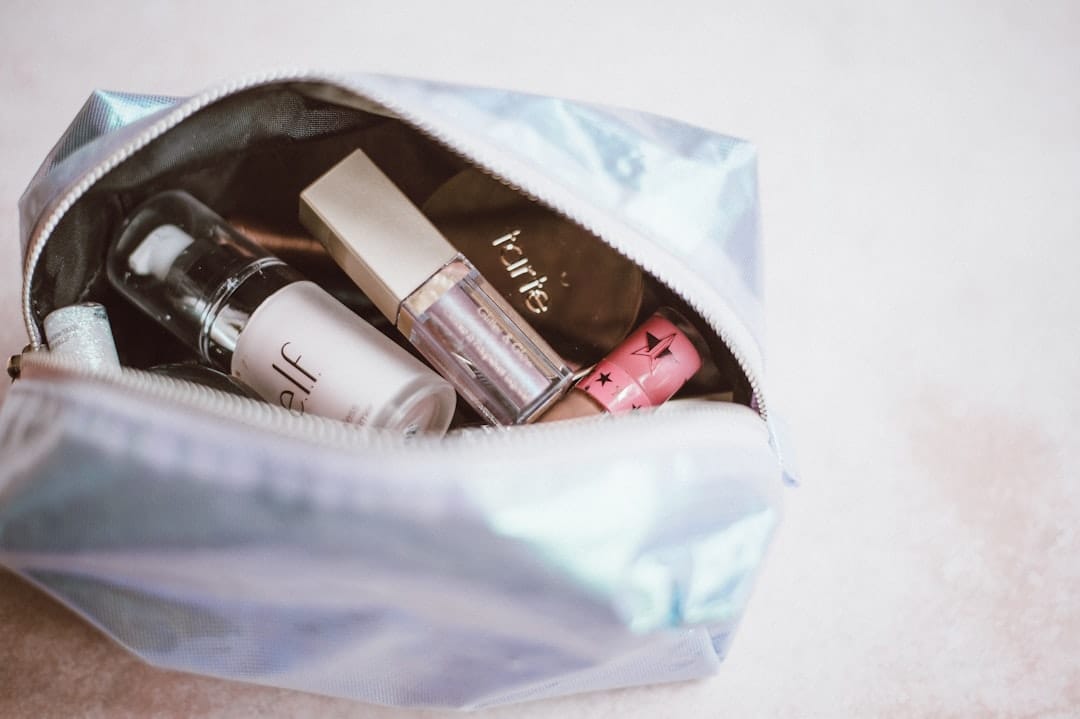
The 3-1-1 Rule: Not Just for Carry-On Bags
The 3-1-1 rule is one of the most misunderstood pieces of airport knowledge out there. Many travelers assume it applies exclusively to carry-on luggage, but the rule actually governs any liquids you bring through a TSA security checkpoint — whether those liquids end up in your carry-on, your personal item, or a separate pouch. The rule itself is straightforward: liquids must be in containers of 3.4 ounces (100ml) or less, all of those containers must fit in a single clear, quart-sized zip-lock bag, and each passenger is allowed one such bag.
The real-world implication for carry-on only travelers is significant, because your checked bag — the one where full-sized shampoo bottles used to live — no longer exists. That quart bag needs to work even harder. The solution most experienced nomads land on is a combination of solid toiletries and strategic buying-on-arrival. Solid shampoo bars, conditioner bars, and solid sunscreen have improved dramatically in quality over the past few years and take up almost no space. For everything else — moisturizer, toothpaste, any prescription liquids — decant into reusable silicone travel bottles that you refill before each trip.
One often-overlooked exception: medications. Prescription medications are technically exempt from the 3-1-1 rule but must be declared at security. Keep them in original, labeled packaging where possible and carry a brief letter from your doctor if you are traveling with anything that might prompt questions. This is the kind of quiet logistical preparation that separates the stress-free airport experience from a prolonged conversation with a TSA officer while the boarding queue dwindles.
The 3-5-7 Rule: A Framework for Trip Length
The 3-5-7 packing rule offers a different lens from the 5-4-3-2-1 method — instead of dictating specific clothing counts, it uses your trip length as the multiplier. The principle holds that for a trip of three days or fewer, you should be able to pack in a personal item alone. For five days, a carry-on bag should be more than sufficient. For a week or longer, a carry-on combined with a personal item covers virtually any journey, provided you are applying smart fabric choices and planning to do laundry.
What makes this rule particularly useful for digital nomads is that it gently enforces a ceiling on gear creep — the slow accumulation of "useful" items that makes your bag heavier with every trip. Remote workers are especially vulnerable to this. A second monitor, a full-size keyboard, backup hard drives, a ring light, a noise-canceling headset — all perfectly reasonable items individually, all collectively ruinous to a carry-on strategy. The 3-5-7 rule invites you to ask: given my trip length, does this item genuinely need to come with me, or am I packing for anxiety rather than necessity?
For longer stints — the three-month residency in a city, the slow travel season — the answer is often to ship items ahead, use furnished accommodation with work essentials already included, or source items locally when you arrive. A good co-working space takes care of your monitor and fast wifi; the apartment has a kitchen and a bed. What genuinely needs to travel with you is often a surprisingly compact list.
The Most Forgotten Items When Traveling (And Why They Matter)
Ask any frequent traveler what they have forgotten most, and the answers cluster in predictable categories — not because people are forgetful, but because certain items are invisible until the moment you need them. Chargers and adapters top almost every list. The power adapter issue is particularly cruel for international travelers: you can do everything right, pack perfectly, arrive in a beautiful city, and then spend two hours searching for a shop that sells a UK-to-EU adapter because your laptop is at three percent. A universal travel adapter — one compact unit, not a handful of country-specific plugs — belongs at the very top of your packing list, not tucked in as an afterthought.
Beyond the obvious tech items, the forgotten essentials that cause the most genuine disruption tend to be small and medical in nature. A basic first-aid kit — blister plasters, antihistamines, ibuprofen, rehydration sachets — weighs almost nothing and costs almost nothing, yet its absence when you need it can derail entire days. Prescription glasses and a spare pair if you wear them. A printed copy of your travel insurance details, not just a screenshot on a phone that might be dead. An emergency card with key contact numbers written in the local language.
For digital nomads specifically, there is one forgotten essential that sits above all others: a local SIM card strategy. Arriving in a new country without data — and without a plan for getting it — is the fastest way to feel completely helpless. Research your options before you fly: whether that is an eSIM loaded ahead of time through a provider like Airalo or Holafly, a local SIM you pick up at the airport, or an international plan activated through your home carrier. The first hour in a new city should feel like possibility, not a scrambling search for free wifi to figure out where your accommodation actually is.
Ultimately, packing well is a form of self-knowledge — it asks you to be honest about how you actually live, not how you imagine you might live if you were a slightly more adventurous or slightly more sophisticated version of yourself. You are probably not going to that black-tie dinner. You are probably not going to run every morning. But you are absolutely going to need your laptop charged, your stomach settled, and your documents accessible. Start there, layer in the rest with genuine intention, and carry-on only travel stops being a constraint and starts feeling like the only sane way to move through the world.
The systems in this guide — the 5-4-3-2-1 framework, the 3-5-7 rule, the liquid restrictions, the forgotten essentials checklist — are not rigid laws. They are prompts. Each one is asking you to make a deliberate choice rather than a default one. And when every item in your bag is there because you genuinely chose it, something shifts. The bag gets lighter. The journey gets easier. And somewhere between the security line and the gate, you remember why you started traveling this way in the first place.