What is not allowed in a carry-on bag TSA?
There is a particular kind of freedom that comes with rolling up to an airport with nothing but a single bag slung over your shoulder. No baggage fees, no waiting at the carousel, no that-sinking-feeling moment when your checked bag doesn't appear on the belt. For digital nomads and carry-on only travelers, this is the baseline — the non-negotiable starting point for every journey. But getting to that point, truly living out of a single bag without sacrifice, means understanding a set of rules, tricks, and hard-won lessons that separate the seasoned traveler from the frantic one pulling a snow globe out of their bag at the security checkpoint.
The TSA's list of prohibited carry-on items is longer and stranger than most people realize. Lithium batteries over a certain watt-hour rating, certain sporting equipment, oversized liquids, sharp objects, and yes, that full-size bottle of shampoo you forgot to decant — all of it can bring your security line experience to a grinding, embarrassing halt. Understanding what is and isn't allowed isn't just about compliance; it's about moving through airports with ease and confidence, which is what carry on only travel tips are really all about.
This post is your deep dive into all of it — the rules, the packing frameworks, the forgotten essentials, and the mental shift required to travel lighter and smarter than you ever have before. Whether you're a veteran nomad or someone about to take their first carry-on-only trip, read on before you zip that bag shut.
How Seasoned Travelers Pull Off Carry-On Only
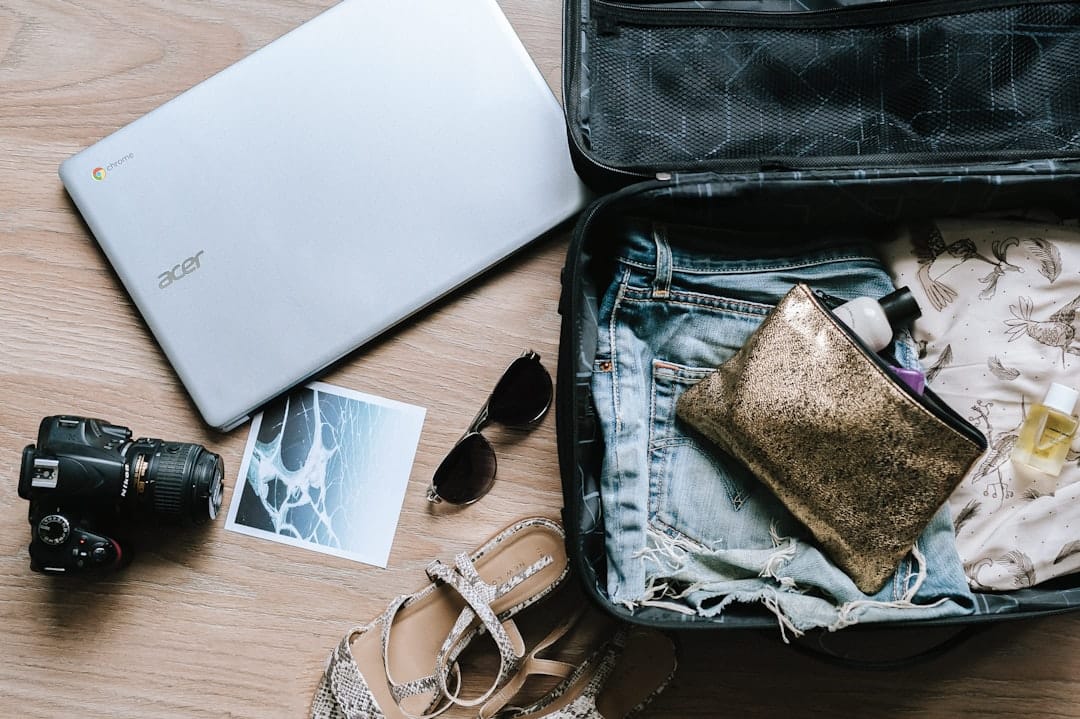
Carry-on only travel is less about packing light and more about packing with intention. The travelers who do it well have typically gone through a painful evolution — overpacked their first few trips, checked a bag they regretted, slowly stripped their wardrobe down to a capsule of versatile pieces — before arriving at something close to a system. That system usually involves a bag that meets airline size restrictions (typically 22 x 14 x 9 inches for most major US carriers, though this varies), a curated clothing selection built around a single color palette, and ruthless honesty about what they actually use versus what they pack "just in case."
The practical tactics are well-established: packing cubes to compress and organize clothing, rolling garments instead of folding them, wearing your bulkiest items on the plane, and using a personal item like a backpack or tote for anything that doesn't fit in the main bag. Digital nomads add an extra layer of complexity here because they're also packing a work setup — laptop, chargers, cables, a portable monitor, perhaps noise-cancelling headphones. The key is treating your tech as a fixed load and building your clothing and toiletry choices around it rather than the other way around. If you want a deeper look at what actually belongs in that bag, this guide on what to pack with just a carry-on breaks it down item by item.
The mindset shift, though, is the real unlock. Carry-on only travel forces you to trust that you can buy what you need when you arrive, that you don't need a different outfit for every day of the trip, and that the world outside your hometown is full of laundromats and pharmacies. Once that clicks, the bag gets lighter every trip. Many long-term nomads describe it as genuinely liberating — not a compromise, but a kind of clarity.
The 5-4-3-2-1 Packing Trick Explained
One of the most popular frameworks floating around the carry-on-only community is the 5-4-3-2-1 packing trick, and once you hear it, you'll wonder why you ever packed any other way. The numbers represent clothing categories: 5 pairs of socks, 4 tops, 3 bottoms, 2 pairs of shoes, and 1 dress or versatile layer (sometimes swapped for a jacket or a smart-casual piece depending on the trip). The beauty of the system is its simplicity — it gives you a concrete ceiling for each category without dictating exactly what goes in, so it works whether you're heading to a beach in Thailand or a co-working space in Lisbon.
Applied thoughtfully, this framework almost always results in a bag that fits within carry-on limits with room to spare for your toiletry pouch, tech accessories, and a few personal items. The trick works best when paired with a neutral color palette — think navy, white, grey, and one accent color — so that every top can be worn with every bottom. Four tops and three bottoms sounds like twelve potential outfits, and when they're all designed to mix and match, you'll never feel underdressed or repetitive. The full breakdown of the 5-4-3-2-1 packing trick goes even deeper into how to choose each piece for maximum versatility.
Where the 5-4-3-2-1 system gets challenged is on longer trips or trips that require multiple climate zones or dress codes. A nomad flying from a co-living space in Bali to a client meeting in Singapore to a weekend in the Cameron Highlands needs to plan more carefully. In these cases, the framework still holds — you just need to choose pieces that layer well and transition between casual and professional. A linen shirt can be a beach cover-up in the morning and tucked in for a video call by afternoon. The system rewards creative thinking, not rigid adherence.
Enjoying this? Get more like it.
Weekly picks for remote workers and digital nomads — tools, destinations, and honest takes, straight to your inbox.
Subscribe free →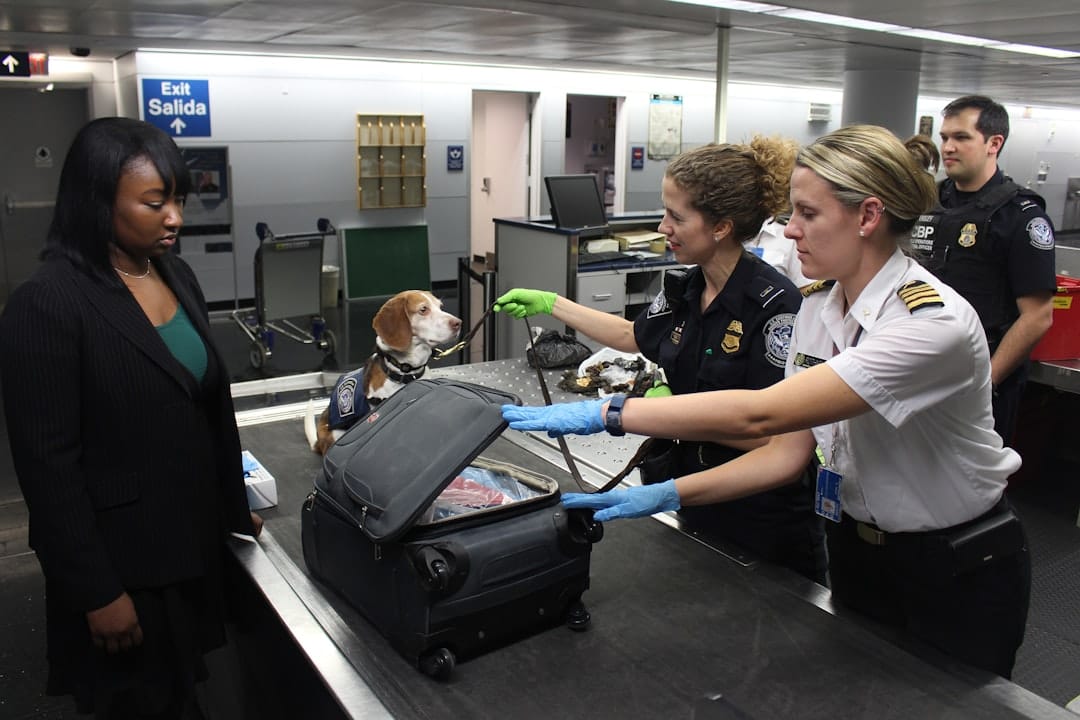
The 3-1-1 Rule, and Why It's Just the Beginning
The 3-1-1 Rule, and Why It's Just the Beginning
A comparison of common liquid and gel items against TSA carry-on allowance status for travellers planning a carry-on-only trip.
| Item | TSA Status | Workaround |
|---|---|---|
| Shampoo (≤100ml) | Included | Use travel bottles |
| Full-size perfume | Not included | Decant into 100ml bottle |
| Solid toiletries | Included | Recommended swap |
| Aerosol deodorant (≤100ml) | Included | Use travel size |
| Sunscreen (>100ml) | Not included | Buy at destination |
| Prescription liquid meds | Included | Declare at security |
| Verdict | Plan ahead | Solid swaps win |
Yes, the TSA's 3-1-1 rule applies exclusively to carry-on baggage — it does not affect what you put in a checked bag. The rule states that any liquids, gels, aerosols, creams, and pastes must be in containers of 3.4 ounces (100 milliliters) or less, all of those containers must fit into a single 1-quart clear zip-top plastic bag, and each passenger is allowed 1 such bag. It sounds simple enough until you're standing at security realizing your full-size moisturizer, your contact lens solution, and your travel-size dry shampoo are technically all competing for space in that single quart-sized pouch.
But liquids are just the most well-known restriction. The TSA's full list of prohibited carry-on items is genuinely surprising. Sharp objects including box cutters, straight razors, and utility knives are banned outright — safety razors with disposable blades and nail clippers are fine, but anything with a blade over four inches is not. Firearms and ammunition, obviously, cannot go in the cabin. But less obviously: replica firearms and even certain realistic toy guns can be flagged. Sporting goods like baseball bats, golf clubs, ski poles, and hockey sticks must be checked. Power tools — even a small cordless drill — are not permitted in a carry-on. Lithium-ion batteries over 100 watt-hours (common in camera batteries and some larger laptop batteries) require airline approval and cannot simply be thrown in a bag.
Some items occupy a grey zone that surprises even experienced travelers. Snow globes, for instance, fall under the liquid rule because of the water inside — if the globe is larger than a tennis ball, it's almost certainly going in the bin. Certain foods in gel or liquid form, like peanut butter, jam, and even thick sauces, are technically subject to the 3-1-1 rule. Fresh fruits and vegetables may pass domestic security but face inspection at international borders. Marijuana and cannabis products, including CBD with over 0.3% THC, remain federally prohibited regardless of state law — a point that catches out many travelers in legal states. The golden rule: when in doubt, check the TSA's "What Can I Bring?" tool before you pack.
The 3-5-7 Packing Rule — A Framework for Longer Trips
While the 5-4-3-2-1 system works beautifully for trips up to two weeks, longer-haul nomads and slow travelers sometimes turn to the 3-5-7 rule for extended journeys. The framework is slightly different in its intent: pack for 3 types of occasions (casual, smart casual, and one formal or professional option), bring no more than 5 items per category, and plan your outfits in 7-day cycles. The idea is that if you can dress well for a week — with laundry access assumed — you can travel indefinitely without ever needing more clothes than fit in a single carry-on.
This framework suits the nomadic lifestyle particularly well because it accounts for the reality that remote workers aren't on vacation — they're working, attending virtual meetings, occasionally meeting clients or attending co-working events, and also exploring their destination on weekends. The 3-5-7 rule acknowledges that a single wardrobe needs to perform across these different contexts without ballooning into a checked bag. Merino wool pieces, which resist odor and can often be worn multiple days in a row, are a staple of travelers who follow this approach. A single merino crewneck can pass for business casual on a video call in the morning and serve as a layer on a chilly evening walk in a new city.
For nomads who are hopping between destinations every few weeks — perhaps following a route through Southeast Asia or spending a season in budget-friendly slow travel cities — the 3-5-7 system is a practical ceiling that prevents the creeping accumulation of "just one more thing" that tends to happen on longer journeys. The framework also makes laundry planning explicit: if you're working in 7-day outfit cycles, you know you need laundry access roughly once a week, which shapes where you choose to stay and how you think about accommodation. It turns packing into a genuine travel planning tool.
The Most Forgotten Item When Traveling (It's Probably Not What You Think)
Ask a hundred frequent travelers what they most often forget to pack, and you'll hear a surprisingly consistent list. Chargers and charging cables top the rankings — specifically the specific cable for a specific device that gets left plugged into the wall at the last accommodation. Phone chargers, laptop chargers, the camera battery charger, the USB-C hub: in the scramble of checkout morning, these are the items sitting quietly in wall sockets while you're already in the taxi. The fix is simple and life-changing: a small pouch dedicated entirely to cables and chargers that you never, ever unpack except to plug in — and always repacks before you leave the room.
Beyond cables, the other perennial forgotten items include: prescription medications (particularly glasses or contact lenses, which are surprisingly common to leave behind), travel adapters for international trips, the small toiletry items that live in a separate bathroom bag — a razor, tweezers, nail scissors — and documents. In a world where everything lives on phones, it's easy to forget that some countries still require printed visas or that your travel insurance card should be accessible even when your battery is dead. Passport and travel document security gets enough attention in the abstract but still catches people out in the specifics. Keep a printed or PDF copy of your key documents in a folder on your phone and in your email, accessible offline.
There is one forgotten item, though, that rarely makes the lists: a portable power strip or multi-outlet travel adapter. For digital nomads traveling with a laptop, phone, earbuds, e-reader, and portable monitor, the single wall outlet in many hotel rooms and hostel bunks becomes a genuine bottleneck. A compact travel power strip with USB ports turns one outlet into five, and it weights next to nothing. Once you travel with one, it becomes as non-negotiable as your passport. It's also worth noting that power strips with surge protection are allowed in carry-ons by the TSA — though extension cords without surge protection are not. One more reminder that the rules are always more nuanced than you expect.
Mastering carry-on only travel is really a practice in intentionality — a word that gets overused in nomad circles but earns its keep here. Every item in your bag is a decision, and the travelers who move through airports without friction, without checked bag fees, without the quiet dread of a security line, are the ones who have made those decisions thoughtfully and repeatedly until the right choices became second nature. They know the 3-1-1 rule cold. They can tell you exactly which liquids go in their quart bag and which ones they've switched to solid or powder form to avoid the hassle entirely. They pack their cables in a dedicated pouch, wear their heaviest shoes to the airport, and know the bag size limits for every airline they regularly fly.
The first few carry-on-only trips might feel like a constraint. By the tenth, it feels like the only way to travel. Your bag becomes a kind of portable home base — curated, familiar, always ready. And when you roll through security without a second glance from the screening agent, when you walk straight from the gate to the taxi rank while everyone else waits for baggage, you'll understand why this is the standard the best nomads refuse to compromise on. Pack smart, know the rules, and travel the way you actually want to live: light, free, and fully in control.