How to not overpack for a 3 day trip?
A three-day trip should be simple. You pack, you go, you come back. But somehow, most people end up hauling a checked bag for a long weekend — paying baggage fees, waiting at the carousel, and lugging more than they ever needed. If you want to travel lighter, smarter, and cheaper, carry on only travel tips are your starting point.
Overpacking is almost never about needing more stuff. It's about uncertainty — the "just in case" mindset that leads to packing four pairs of shoes for 72 hours. The good news is that experienced travellers have developed reliable systems to eliminate that guesswork entirely. Once you understand a few core frameworks, deciding what goes in the bag becomes straightforward.
This guide breaks down the most practical packing systems, explains the rules you actually need to follow at the airport, and covers the small but critical items most people forget. Follow these steps and you will board your next short trip with nothing but a carry-on — and wonder why you ever checked a bag.
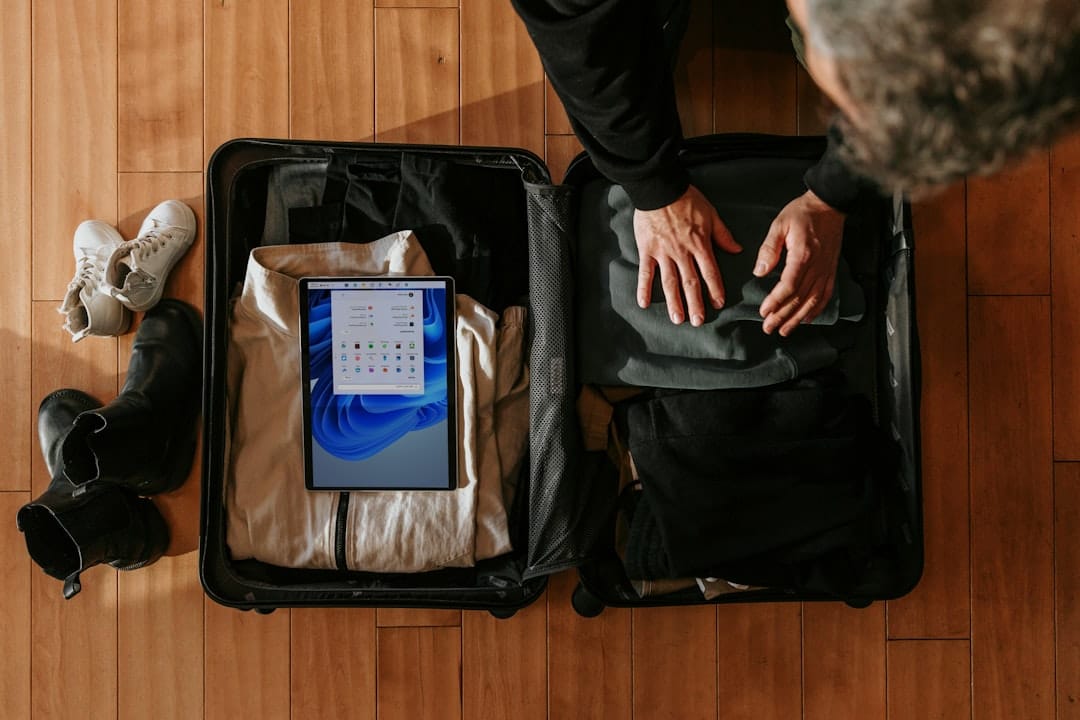
How to Travel with Only a Carry-On
The secret to carry-on only travel is not packing less of everything — it is packing differently. Frequent travellers shift from a "bring everything I might need" approach to a "plan each outfit deliberately" approach. The difference sounds subtle but it changes the entire packing process.
Start by choosing a colour palette before you open the bag. Pick two or three neutral base colours — navy, grey, black, olive — and make sure every clothing item you pack works with every other item. This unlocks outfit combinations without extra pieces. A single pair of dark jeans, for example, can work for a day of sightseeing, a casual dinner, and a work call if you pair it with different tops.
Next, choose the right bag. Most airlines allow a carry-on up to 22 x 14 x 9 inches, though dimensions vary. A 40-litre backpack or a cabin-sized hard shell suitcase are both solid options for a three-day trip. Packing cubes are not optional at this level — they compress clothing, keep categories separated, and make retrieval fast. Roll soft items like t-shirts and underwear to save space, and lay structured items like blazers flat on top.
What Is the 5-4-3-2-1 Packing Trick?
What Is the 5-4-3-2-1 Packing Trick?
A breakdown of the 5-4-3-2-1 packing rule showing exactly how many of each clothing item to pack for a 3-day trip.
| Item Category | Quantity | Packing Status |
|---|---|---|
| Tops / T-Shirts | 5 | Included |
| Bottoms | 4 | Included |
| Shoes | 3 | Limited |
| Outer Layers | 2 | Included |
| Hats / Accessories | 1 | Included |
The 5-4-3-2-1 packing trick is a numbered framework that gives you a clear ceiling for each clothing category. Instead of packing by feel, you pack by rule. Here is how the numbers break down:
5 sets of socks and underwear. 4 tops (t-shirts, shirts, or blouses). 3 bottoms (trousers, jeans, or skirts). 2 pairs of shoes. 1 outerwear piece (jacket, hoodie, or light coat).
For a three-day trip, you can trim this further. You only need three sets of socks and underwear, three tops, two bottoms, one pair of shoes, and one lightweight layer. The full 5-4-3-2-1 is designed for trips up to a week. The framework works because it forces you to think in categories rather than scenarios. You stop asking "what if I need a formal outfit?" and start asking "which of my three bottoms is the most versatile?" That mental shift is where the real space savings come from. For a deeper dive into what specifically to bring, this guide on what to pack with just a carry-on is a useful companion read.
Enjoying this? Get more like it.
Weekly picks for remote workers and digital nomads — tools, destinations, and honest takes, straight to your inbox.
Subscribe free →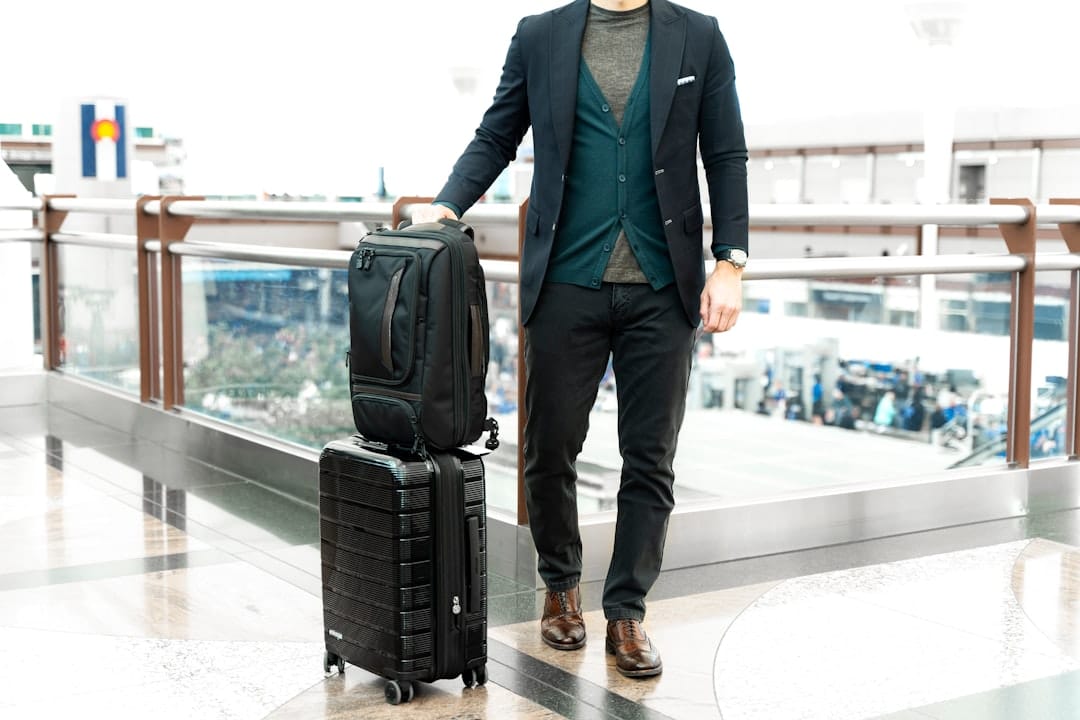
Is the 3-1-1 Rule Only for Carry-On Bags?
Yes — the 3-1-1 rule applies specifically to liquids in carry-on bags, not to checked luggage. The rule, enforced by the TSA in the United States and by similar security agencies in most countries, states that each passenger may carry liquids, gels, aerosols, creams, and pastes in containers of 3.4 ounces (100 millilitres) or less. All containers must fit inside one clear, quart-sized zip-top plastic bag. Each traveller is allowed one such bag.
For a three-day trip, this is rarely a problem if you plan ahead. Buy travel-sized toiletries or decant your usual products into small reusable bottles. Solid alternatives eliminate the issue entirely — shampoo bars, solid conditioner, toothpaste tablets, and solid sunscreen are now widely available and take up almost no space. If you are staying in a hotel, factor in that most provide shampoo, conditioner, and body wash, which means you may only need to pack face wash, moisturiser, and your personal skincare items.
One practical tip: place your liquids bag at the top of your carry-on or in an exterior pocket so you can remove it quickly at security. This keeps the line moving and prevents you from unpacking everything to find it. For a full breakdown of what is not permitted through security, check this guide on what not to pack in your carry-on before you head to the airport.
What Is the 3-5-7 Rule for Packing?
The 3-5-7 rule is a packing guideline structured around trip length rather than fixed item counts. It works like this: for a trip of up to 3 days, pack only 3 outfits. For a trip of up to 5 days, pack 5 outfits. For a trip of up to 7 days, pack 7 outfits. Each "outfit" is a complete look — top, bottom, and the shoes already on your feet count as part of those combinations.
The key constraint in this rule is the one-to-one ratio: one outfit per day, no backup outfit "just in case." This sounds uncomfortable until you apply the palette strategy from earlier. When every item mixes and matches, you are not wearing the same outfit twice — you are building different combinations from the same small set of pieces. Three tops and two bottoms technically give you six outfit options. You will not need all six for a three-day trip.
The 3-5-7 rule pairs well with the 5-4-3-2-1 framework. Use 5-4-3-2-1 as your upper ceiling for each category, then use 3-5-7 as your gut-check: if you are packing more outfits than you have days, you are overpacking. The two systems reinforce each other and leave almost no room for "just in case" reasoning to creep back in.
What Is the Most Forgotten Item When Travelling?
Chargers and charging cables are consistently the most forgotten items when travelling. Specifically, phone chargers — and for digital nomads and remote workers, laptop chargers and USB-C cables rank just as high. You can survive without a spare t-shirt. You cannot do a full workday without power. Always put your charger in the same spot in your bag every single time, and make it the last thing you check before leaving your accommodation.
Beyond chargers, here are the items that regularly get left behind and are worth building into a permanent checklist:
Prescription medication — people leave this at home because they do not think they will need it for "just three days." Sunscreen — frequently forgotten because it is not part of the usual morning routine when travelling. Travel adapter — critical if you are crossing regions with different plug standards. Headphones — easy to leave on a desk or nightstand. Reusable water bottle — not a safety issue but an expensive inconvenience at airports. Lip balm and hand cream — trivial to pack but consistently overlooked.
The fix for forgotten items is a non-negotiable packing checklist — not a mental one, a written or saved one. Build it once and use it every time. Categories to include: electronics and cables, toiletries, documents (passport, ID, travel insurance), medications, clothing by category, and any destination-specific items. A checklist removes the cognitive load from packing entirely. You stop trying to remember everything and start verifying against a list.
Travelling carry-on only for a three-day trip is genuinely achievable on your first attempt if you apply even one of the frameworks covered here. Start with the 3-5-7 rule as your overall guide, use 5-4-3-2-1 to cap each clothing category, prepare your liquids bag in advance following the 3-1-1 rule, and run through a written checklist before you zip up the bag. That process takes fifteen minutes and saves you from baggage fees, carousel waiting time, and the physical effort of hauling more than you need.
The longer you travel this way, the more intuitive it becomes. Most people who convert to carry-on only travel never go back. Once you experience landing at your destination and walking straight out of the airport with everything you need on your back, checking a bag starts to feel like a strange thing to do — especially for a weekend. Pack intentionally, stick to your system, and keep the trip light.