Introducing the Digital Nomad Manifesto: Principles for a Successful Remote Work Lifestyle
There is a particular kind of freedom that arrives on a Tuesday afternoon in a city you did not grow up in. The light slants differently through the window of a rented apartment, the coffee tastes like somewhere new, and the work still gets done. This is the promise that pulls so many people toward the nomadic life — not an endless holiday, but a reimagining of how work and place can coexist. And yet, beneath the postcard version, the reality is messier, more demanding, and infinitely more rewarding when approached with intention.
After enough time on the road, a pattern becomes clear: the people who thrive as location-independent professionals are not the ones with the most stamps in their passport or the fastest laptops. They are the ones who operate from a set of guiding principles — a quiet internal compass that keeps them steady when the Wi-Fi drops, the visa rules change, and the loneliness of a new place settles in around 9pm on a Sunday.
This is the Digital Nomad Manifesto — a working set of digital nomad manifesto principles gathered from the collective wisdom of those who have built durable, joyful lives across borders. Consider it less a rulebook and more a set of anchoring beliefs, meant to be adapted to whatever version of the nomadic life you are trying to build.
Principle One: Freedom Is Earned Through Structure
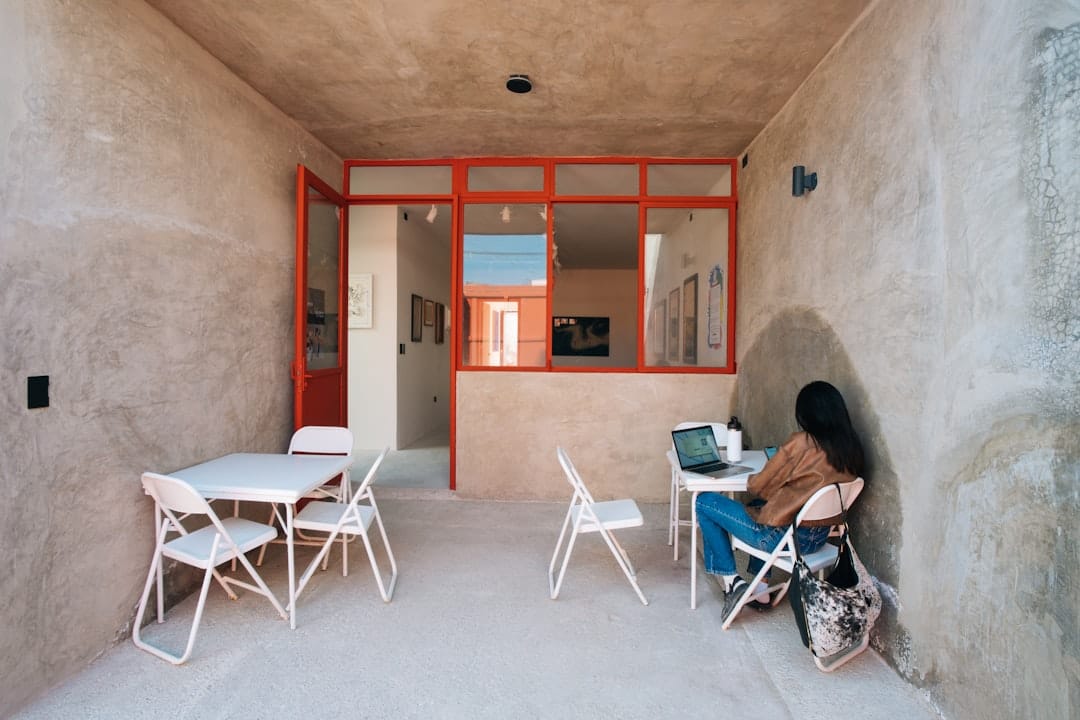
The great paradox of the nomadic life is that the freedom everyone chases is only sustainable when it rests on a foundation of discipline. Imagine a morning in Lisbon: the temptation to abandon the desk for a tram ride to Belém is constant, the sun is generous, and there is always another miradouro to sit at with a coffee. The travellers who last are not the ones who resist all of that — they are the ones who have built enough structure into their days that a spontaneous afternoon off does not derail an entire client relationship.
Structure looks different for everyone, but the shape is familiar. Protected deep-work hours in the morning before the city fully wakes. A consistent shutdown ritual so that work does not bleed into every waking moment. A weekly rhythm that separates the days you explore from the days you deliver. Without these guardrails, the freedom curdles into anxiety — the nagging sense that you are always half-working and never fully present, wherever you happen to be standing.
This is also why so many experienced nomads eventually gravitate toward environments that reinforce good habits — dedicated coworking desks, co-living communities, or simply a favourite café where the ritual of arriving signals to the brain that it is time to focus. If you are just beginning to think about how to leave a conventional job behind, it helps to read about how to transition from a 9-to-5 into a nomadic career without losing the structure that made you good at your work in the first place.
Principle Two: Move Slowly, See Deeply
There is a version of nomad life that treats the world like a to-do list — a new country every week, a blur of airports and half-remembered neighbourhoods, a camera roll full of places you cannot quite recall visiting. It looks impressive on a feed and feels hollow in practice. The second principle of the manifesto is a gentle correction: move slowly, and let each place teach you something before you leave it.
Slow travel is not only kinder to your nervous system and your work output — it is also kinder to your budget. Monthly apartment rates are dramatically cheaper than nightly ones. You learn where the good market is, which stall does the best breakfast, how much a taxi should really cost. You start to recognise faces. Over the course of a month in one city, the place stops being a backdrop and becomes, briefly, a home. That sense of belonging is the antidote to the low-grade rootlessness that eventually catches up with fast-moving travellers.
Choosing where to slow down matters, too. Some cities are simply better suited to the rhythm of remote work — affordable, well-connected, and welcoming to people who plan to stay a while. If you are mapping out your next few months, a look at the best slow travel cities for nomads on a budget is a good place to begin. The goal is not to see everything. The goal is to see a few things properly.
Enjoying this? Get more like it.
Weekly picks for remote workers and digital nomads — tools, destinations, and honest takes, straight to your inbox.
Subscribe free →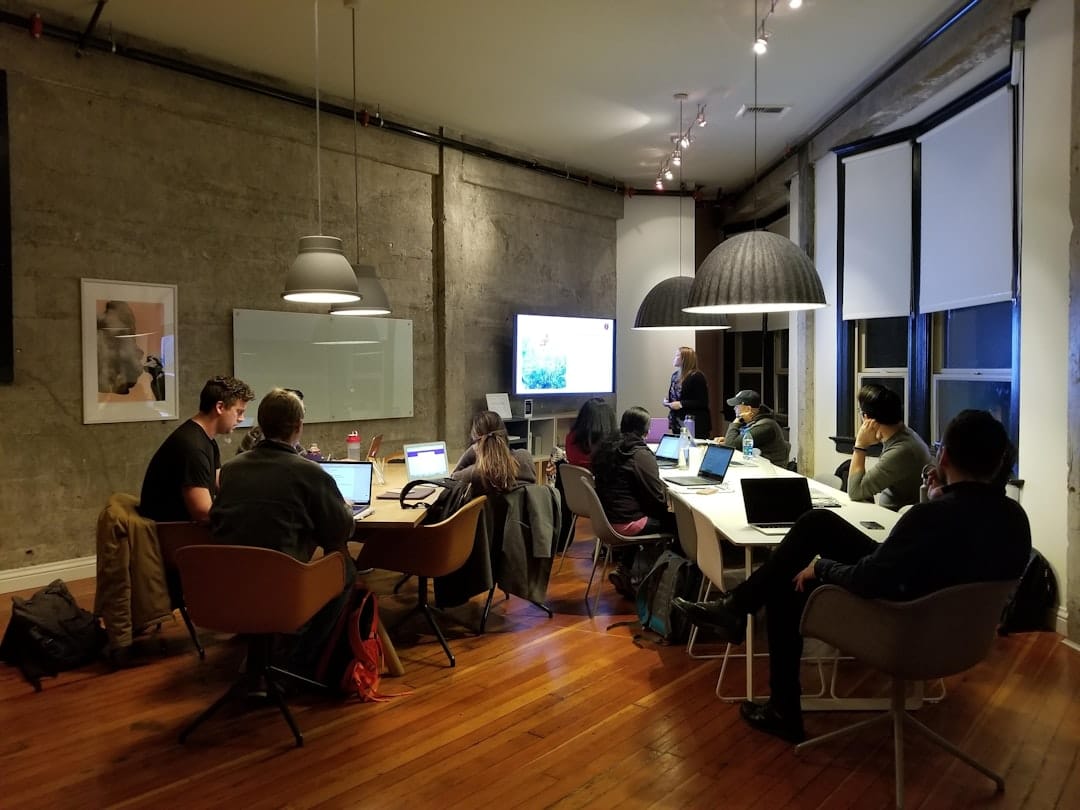
Principle Three: Respect the Rules of the Places You Enter
Principle Three: Respect the Rules of the Places You Enter
Visa and legal requirements comparison across three popular digital nomad destinations.
| Requirement | Thailand | Portugal | Mexico |
|---|---|---|---|
| Visa-Free Stay | 60 days | 90 days | 180 days |
| Nomad Visa Available | Yes | Yes | No |
| Tax Registration Required | Not required | Required | Required |
| Work Permit for Remote Work | Not required | Not required | Not required |
Illustrative figures — composed for shape, not sourced
It is tempting, in the early euphoria of borderless living, to treat visa rules as suggestions and tax obligations as someone else's problem. The manifesto insists otherwise. To be a good guest in the world is not only an ethical stance — it is a practical one. Countries are increasingly formalising their relationship with remote workers, offering dedicated visas that trade legitimacy for compliance. Ignoring those frameworks puts your entire lifestyle at risk.
The landscape shifts constantly. Some destinations roll out the welcome mat with generous residency programmes, while others tighten enforcement against those working on tourist stamps. The recent immigration attention on nomads in places once considered easy has been a wake-up call for anyone who assumed the rules would never catch up. Understanding the difference between the good permits and the restrictive ones is now an essential skill — the guide to digital nomad visas, the best and the worst is worth returning to as your plans evolve.
Respect extends beyond paperwork. It means learning a few words of the local language, tipping the way locals do, keeping your rent within the range that does not price out the community around you, and treating a neighbourhood as a place people live rather than a set you happen to be filming in. The nomads who are welcomed back, year after year, are the ones who leave a place better than they found it.
Principle Four: Guard Your Wellbeing Like a Client Deadline
Burnout does not announce itself with fanfare. It arrives quietly — a reluctance to leave the apartment, a short temper with the barista, a project that used to feel exciting and now feels like wading through wet sand. The mobility that makes nomad life exhilarating also strips away the natural rhythms that ground most people: the routine of a fixed home, a stable friend group, a doctor who knows your name. Without deliberate effort, isolation and exhaustion creep in.
The fourth principle asks you to treat your own wellbeing with the same seriousness you would give a paying client. Build movement into your day, whether that is a morning swim or a long walk to the coworking space. Prioritise sleep over one more late-night video call across time zones. Invest in community rather than assuming friendships will simply happen. Many nomads find that co-living spaces solve the loneliness problem almost by accident, dropping them into a ready-made circle of people navigating the same strange, wonderful life. If you have felt the early symptoms, the practical strategies for mastering digital nomad burnout are worth building into your routine before you need them.
There is no medal for working through exhaustion in a country you flew thousands of miles to enjoy. The whole point of this life is that the work and the living are supposed to nourish each other. When they stop doing that, it is a signal to slow down, not to push harder. Protecting your energy is not indulgence — it is the maintenance that keeps the entire enterprise running.
Principle Five: Own Less, So You Can Choose More
Principle Five: Own Less, So You Can Choose More
Packing and lifestyle comparison between minimalist and traditional nomad approaches.
| Aspect | Minimalist Pack | Traditional Pack |
|---|---|---|
| Average Luggage Weight | 7 kg total | 18 kg total |
| Flexibility to Relocate | Weekly options | Monthly options |
| Storage Costs | Minimal | Significant |
| Decision Fatigue | Reduced | High |
Illustrative figures — composed for shape, not sourced
Every possession you carry is a small tax on your freedom. This is not an abstract philosophy — it is a lived reality felt keenly at every airport check-in, in every cramped stairwell of a walk-up apartment, and in the quiet decision-making of what stays and what goes. The final principle of the manifesto is a commitment to lightness: own less, so that you can choose more freely where and how you live.
Minimalism in this context is not about deprivation or aesthetic austerity. It is about knowing exactly what you need and refusing to be weighed down by the rest. A well-chosen carry-on becomes a kind of freedom machine — everything you require to work and live, ready to move at a moment's notice. If a city stops serving you, you can leave. If an opportunity appears three countries away, you can say yes. The travellers who have refined this to an art speak about their packing choices with real conviction; the breakdown of what goes into a carry-on-only travel kit is a useful reference point for anyone trying to shed the excess.
This principle extends past physical objects. Owning less can also mean simplifying your commitments, your subscriptions, your financial complexity, and even your social obligations. Every simplification returns a little agency to you. The lighter your footprint, the more responsive you can be to the world as it changes around you — and change, in this life, is the one constant you can count on.
None of these principles work in isolation. Structure supports slow travel; slow travel protects your wellbeing; respecting local rules keeps the whole life legally viable; and owning less makes every other choice possible. Together they form a loose framework you can lean on when the romantic version of nomad life collides with a delayed flight, a difficult client, or a bout of homesickness in a language you do not speak.
Take what resonates and leave the rest. A manifesto is only useful if it bends to fit the shape of your actual life — the clients you serve, the places that call to you, the pace that keeps you well. Write your own version in the margins of this one, revise it as you go, and let it grow alongside you. The destination was never really the point. The way you choose to move through the world is.