How to work from anywhere in the world? Honest Digital nomad Q&A!
Working from anywhere sounds effortless in the highlight reels — laptop on a beach, coffee in hand, no boss in sight. The reality is more nuanced, and a lot more interesting. Between choosing where to go, sorting out the legal right to stay, keeping your income stable, and staying sane across time zones, there's a real system underneath the lifestyle.
This Q&A cuts through the fantasy and answers the questions people actually ask before going location-independent. No fluff, no promises of overnight freedom — just the practical mechanics of building a life you can run from a suitcase.
If you're weighing up a move, treat this as a checklist. Work through each section, note what applies to your situation, and you'll leave with a far clearer picture of what "work from anywhere" really involves.
ℹ️ Immigration rules change frequently and vary by country. Always verify with official government sources or consult a qualified immigration lawyer. Full disclaimer →
Do I Actually Need a Digital Nomad Visa?
Do I Actually Need a Digital Nomad Visa?
Comparison of visa requirements and benefits across popular digital nomad destinations.
| Destination | Dedicated DN Visa | Visa-Free Duration | Health Insurance Required |
|---|---|---|---|
| Portugal | Yes, up to 1 year | 90 days | Recommended |
| Thailand | No official program | 60 days | Not required |
| Mexico | No official program | 180 days | Recommended |
| Estonia | Yes, up to 1 year | 90 days | Required |
| Indonesia | Yes, up to 60 days | 30 days | Recommended |
Illustrative figures — composed for shape, not sourced
Short answer: it depends on how long you stay and where you go. For a two- or three-week trip, most people simply travel on a tourist visa or visa-free entry. The grey area starts when you stay for months at a time while working — technically, many tourist visas don't permit remote work, even if your income comes from abroad. That's the gap a digital nomad visa is designed to close.
A digital nomad visa is a temporary residence permit that legally allows you to live in a country while working remotely for clients or employers based elsewhere. Over 60 countries now offer some version — Portugal, Spain, Estonia, Croatia, Costa Rica, and Thailand among the most popular. They typically last from six months to two years, often with the option to renew. The trade-off is paperwork and proof: you'll usually need to show a minimum monthly income, valid health insurance, and a clean background check.
Here's the honest calculus. If you move quickly between countries every few weeks, you may never need one. But if you want to settle somewhere for six months, build a routine, and stay on the right side of local law, a dedicated visa removes a lot of anxiety. It also often unlocks longer stays than tourist rules allow, and in some cases a path toward residency.
How Do I Apply for One Without Losing My Mind?
Every country runs its own process, but the steps rhyme. Follow this sequence and you'll avoid the most common delays:
1. Confirm you meet the income threshold — most programmes want proof you earn a set amount monthly, often €2,000–€3,500. Gather three to six months of bank statements or pay slips. 2. Secure qualifying health insurance that covers you in the destination country for the full visa period. 3. Request a criminal background check from your home country; these can take weeks, so start early. 4. Compile proof of remote work — a contract, client agreements, or business registration. 5. Submit your application through the country's official portal or nearest consulate, pay the fee, and wait.
The biggest mistake people make is underestimating timelines. Background checks, document apostilles, and consular appointments can each add weeks. Start the process two to three months before your intended move, and keep digital and physical copies of everything. If the paperwork feels overwhelming, some destinations have relocation agencies that handle submissions for a fee — worth it if your time is better spent earning.
One more practical note: tax residency. Staying somewhere long enough to hold a visa can trigger local tax obligations. Research the rules before you commit, and if your finances are complex, speak to an accountant who understands cross-border remote income. It's far cheaper to plan ahead than to untangle a mess later.
Enjoying this? Get more like it.
Weekly picks for remote workers and digital nomads — tools, destinations, and honest takes, straight to your inbox.
Subscribe free →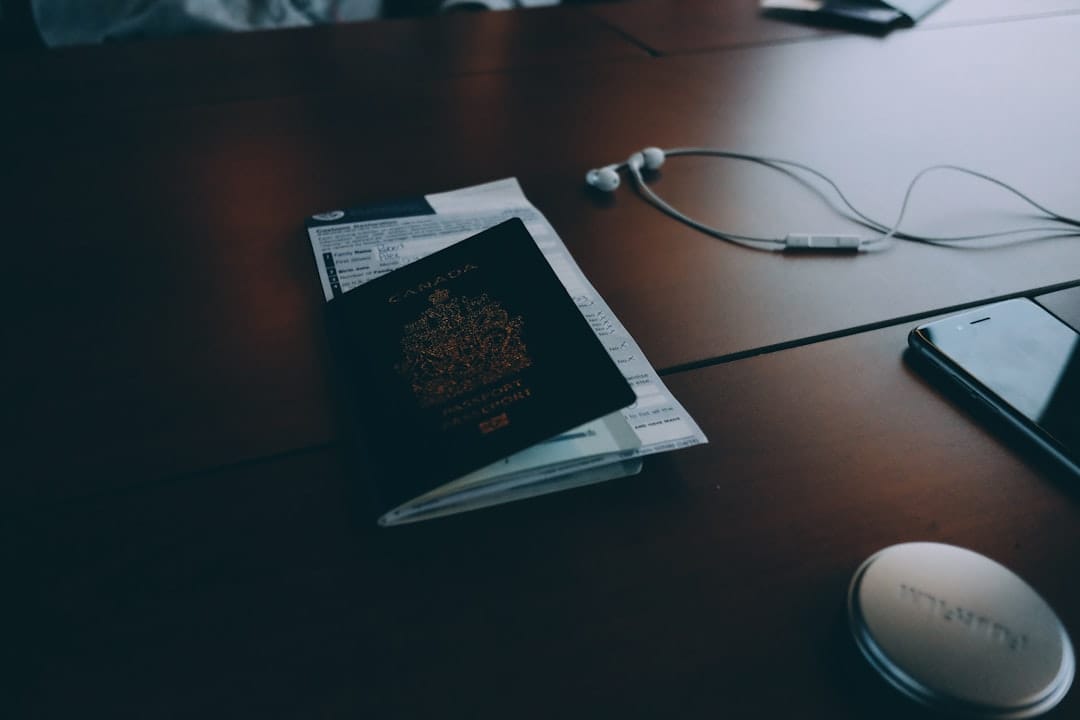
How Do I Keep My Income Stable on the Road?
Freedom of movement means nothing without reliable income. The nomads who last aren't the ones with the flashiest destinations — they're the ones with predictable revenue. If you're employed remotely, protect that relationship: overcommunicate about your hours, deliver consistently, and be transparent about time zones. If you freelance, aim for a mix of retainer clients and one-off projects so a single lost contract doesn't sink your month.
Cash flow discipline matters more when you're mobile. Build a buffer of at least three months' expenses before you leave, because visa fees, flights, and deposits stack up fast. A clear budget keeps the lifestyle sustainable — the ultimate guide to budgeting for digital nomads walks through the numbers in detail. Track every expense for the first three months so you learn your true cost of living rather than guessing.
Some nomads stretch income further by juggling more than one remote role, though that path demands ruthless organisation. If you're curious about it, weigh the risks honestly first — running multiple remote jobs without burning out is possible, but it's not for everyone. For most people, one solid income stream plus a healthy buffer beats stretching yourself thin across three.
What Do I Actually Need to Work Productively Anywhere?
Your setup is your office, so treat it like infrastructure. The non-negotiables are a reliable laptop, a backup internet option (a local SIM or portable hotspot saves entire deadlines), noise-cancelling headphones, and cloud backups of everything. A physical VPN and a password manager protect you on the sketchy café Wi-Fi you'll inevitably use. Add a lightweight laptop stand and a compact keyboard, and your posture will thank you across long working weeks.
Software matters as much as hardware. Build a stack for communication, project management, and time tracking so you stay accountable without a manager looking over your shoulder. A curated set of must-have tools for a seamless remote work routine beats a dozen half-used apps. Keep it lean: fewer tools means fewer things to troubleshoot when you're on a train with patchy signal.
Finally, protect your focus. Working from anywhere doesn't mean working everywhere at once. Establish a rhythm — set core hours, block deep-work time, and choose a consistent workspace whether that's a coworking desk or a quiet corner of your rental. Time zones can be an advantage if you plan around them, letting you finish focused work before your team's day even begins.
Where Should I Base Myself First?
For a first move, choose somewhere forgiving: strong internet, an established nomad community, a reasonable cost of living, and a straightforward visa process. Cities like Lisbon, Medellín, Chiang Mai, Canggu, and Mexico City earn their reputations because the practical foundations are already in place. You'll find coworking spaces, English-speaking services, and other people navigating the same learning curve — which shortens yours dramatically.
Slow travel beats country-hopping when you're starting out. Staying in one place for one to three months lets you find rhythm, secure cheaper monthly rent, and actually get work done instead of constantly packing. For inspiration on affordable, well-connected bases, browse these top digital nomad destinations on a budget. Pick one, commit to a season, and let the place teach you how you like to work before you chase the next stamp.
Accommodation is where the community lives. Co-living spaces bundle housing, workspace, and a built-in social circle — a genuine shortcut past the loneliness that catches many first-timers off guard. Whether you choose co-living, a monthly rental, or a mix, prioritise stable internet and a dedicated place to sit and work over Instagrammable views. The view fades; the deadline doesn't.
What Nobody Warns You About
What Nobody Warns You About
Common hidden challenges for digital nomads and recommended mitigation strategies.
| Challenge | Impact Level | Best Mitigation |
|---|---|---|
| Internet reliability | Critical | Backup mobile hotspot |
| Time zone differences | High | Overlap scheduling |
| Loneliness & isolation | Moderate | Join coworking spaces |
| Tax compliance | High | Hire a tax professional |
| Burnout from constant travel | Moderate | Stay 3–6 months per location |
Illustrative figures — composed for shape, not sourced
The hardest part of working from anywhere isn't logistics — it's psychology. Constant novelty is exhausting, and the freedom that looked so appealing can tip into decision fatigue. New apartment, new café, new supermarket, new SIM card, every few weeks. The nomads who thrive build routines that travel with them: the same morning ritual, the same workout, the same shutdown at day's end. Structure is what turns motion into a sustainable life.
Loneliness is the second silent tax. Friends back home drift into different schedules, and each new city means rebuilding a social circle from scratch. Be deliberate about connection — join coworking events, say yes to dinners, and lean on established communities rather than waiting for them to find you. Burnout creeps in quietly too, so guard your rest as fiercely as your deadlines. The lifestyle only works if you're well enough to enjoy it.
Working from anywhere is entirely achievable, but it rewards preparation over impulse. Sort your visa situation, stabilise your income, build a lean and reliable setup, choose a forgiving first base, and protect your wellbeing. Do those five things and the beach-café fantasy becomes a functional, repeatable way of life rather than a two-week vacation you're pretending is sustainable.
Start small, stay one place longer than feels natural, and adjust as you learn. The goal isn't to see everything at once — it's to build a working life flexible enough to go wherever you want, whenever it makes sense. That freedom is real, and with the right groundwork, it's closer than you think.