Croatia just revised its digital nomad visa to last up to 3 years
Croatia has quietly become one of Europe's most attractive bases for location-independent professionals, and its latest visa update makes the case even stronger. The country has revised its digital nomad residence permit so that qualifying applicants can now stay for up to three years — a significant jump from the previous one-year limit that forced people to leave and reapply after just twelve months.
For anyone who has grown tired of the reset-every-year churn — repacking, re-applying, and re-establishing a life somewhere new against the clock — this is a meaningful shift. A longer permit means you can sign a real lease, build a routine, and actually enjoy the slow pace of Adriatic life without the constant background anxiety of an expiry date.
This guide breaks down what the change means in practical terms: who qualifies, how to apply, the mistakes that trip people up, and how to make the most of Croatia as a long-term base. If you are weighing your next move, this is the detail you need before you commit.
ℹ️ Immigration rules change frequently and vary by country. Always verify with official government sources or consult a qualified immigration lawyer. Full disclaimer →
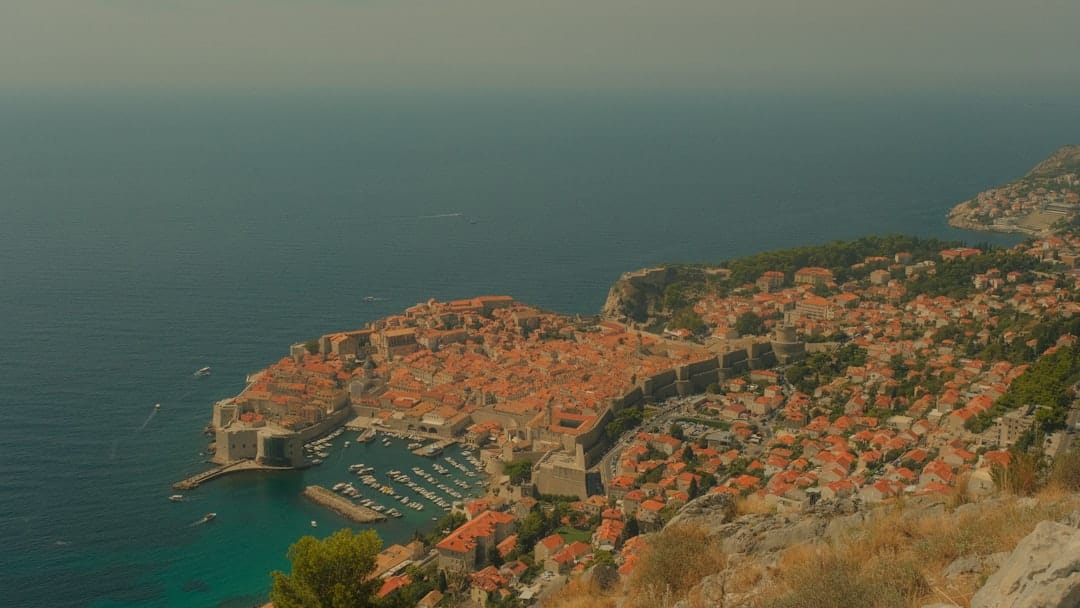
What the New 3-Year Rule Actually Changes
Croatia launched its digital nomad permit back in 2021, and it was popular from the start — but the one-year cap was its biggest weakness. Under the old system, you had to leave the country once your permit expired and could not immediately reapply, effectively pushing you out and creating a frustrating gap. The revised rules extend the maximum stay to three years, letting you settle in a way that simply was not possible before.
The core eligibility remains familiar. You must be a non-EU/EEA national, work remotely for a company registered outside Croatia (or run your own location-independent business), and prove you can support yourself financially. You still cannot work for a Croatian employer or provide services to the Croatian market — this is a residence permit for remote workers, not a work visa for the local economy.
The tax picture is another reason Croatia stands out. Income earned under the digital nomad permit is generally exempt from Croatian income tax, which keeps the arrangement clean for people whose earnings are already taxed elsewhere. That said, the tax treatment of long-term residence is more nuanced than a short stay, and if you plan to spend the bulk of three years in one country, it is worth reading up on how other nations handle nomad taxation — Portugal's approach to tax breaks for foreigners is a useful comparison point.
Who Qualifies and What You Need to Prove
Who Qualifies and What You Need to Prove
Essential documentation and income thresholds required to qualify for Croatia's 3-year digital nomad visa.
| Requirement | Details | Status |
|---|---|---|
| Monthly Income | €2,100 or equivalent | Mandatory |
| Health Insurance | EU/international coverage | Required |
| Employment Contract | Remote work proof | Must provide |
| Bank Statements | Last 3–6 months | Supporting doc |
| Accommodation Proof | Lease or booking | Required |
Contains public sector information licensed under the Open Government Licence v3.0. Source: UK Visas and Immigration, via GOV.UK, retrieved 2026-08-17.
The financial threshold is the number that matters most. Croatia requires you to demonstrate a minimum monthly income, which is periodically adjusted and typically sits around €2,300–€2,600 per month for a single applicant. If you are bringing a partner or family, that figure rises for each additional person. You can prove income through recent bank statements, employment contracts, or a lump sum covering the full period in your account.
Beyond income, you will need a valid passport, proof of health insurance covering your stay, a clean criminal background check from your home country, and proof of address in Croatia — usually a rental agreement or a property registration. The address requirement catches some people off guard, because you often need somewhere lined up before the permit is finalised.
If you are still deciding whether the leap into full-time nomad life makes sense at all, it helps to be honest about your readiness before committing to a multi-year permit. Our guide on how to know if digital nomad life is right for you walks through the practical and emotional questions worth answering first.
Enjoying this? Get more like it.
Weekly picks for remote workers and digital nomads — tools, destinations, and honest takes, straight to your inbox.
Subscribe free →{{IMAGE_2:laptop cafe work Adriatic sea view}}
How to Apply: A Step-by-Step Walkthrough
Start by gathering your documents well before you plan to move. You will need your passport, proof of remote income, health insurance, a criminal background check, and evidence of your Croatian address. The background check often has to be legalised or apostilled depending on your home country, and that step alone can take a few weeks — so treat it as the first task, not the last.
You can apply in one of two ways. The first is from abroad, at a Croatian embassy or consulate in your home country, which lets you arrive with the permit already in progress. The second is from inside Croatia, if you can enter visa-free or on a short-stay visa, by applying at a local police administration office. Many people choose the in-country route because it makes sorting the mandatory address requirement simpler — you can view apartments in person before signing.
Once your application is submitted and approved, you register your address with the local police and, after your temporary stay is granted, arrange for your residence card. Build in buffer time: processing can take several weeks, and you will want your insurance and accommodation confirmed before your current status runs out. If Croatia is one of several options you are weighing, it is worth reviewing how it stacks up against other permits in our overview of the best and worst digital nomad visas.
Common Mistakes That Delay or Sink Applications
The most frequent stumble is underestimating documentation timelines. People assume they can pull everything together in a week, then discover their background check needs an apostille, their income proof spans the wrong months, or their insurance policy does not meet the coverage minimums. Give yourself a two-month runway so no single delay derails the whole plan.
Another common error is misreading the income requirement. The threshold is a minimum you must clearly exceed and evidence, not a rough target. If your income fluctuates — common for freelancers — make sure your statements cover a consistent period that demonstrably clears the bar, or hold a lump sum to cover the shortfall. Ambiguous or borderline financials are a reliable way to get a request for more information, which stalls everything.
Finally, do not confuse a residence permit with tax residency planning. Spending up to three years in one country changes your relationship with the tax systems of both Croatia and your home country. Some nomads assume the income exemption solves everything, only to find they have triggered obligations elsewhere. Understand where you are considered tax resident, and get professional advice if your situation is complicated — this is not the corner to cut on a multi-year commitment.
Making the Most of Croatia as a Long-Term Base
Making the Most of Croatia as a Long-Term Base
Comparison of key lifestyle factors and cost categories for establishing a remote work base in Croatia.
| Factor | Budget tier | Mid tier | Premium tier |
|---|---|---|---|
| Monthly rent | Lower | Mid | Higher |
| Coworking access | Not included | Occasional use | Full membership |
| Internet speed | Standard | Fast | Fastest |
| Local networking | Self-organized | Monthly meetups | Frequent events |
Illustrative figures — composed for shape, not sourced
With three years on the table, you can approach Croatia as a genuine home rather than a stopover. Split-and-Dalmatia and Zagreb are the obvious hubs, with the coastal cities offering that postcard Adriatic lifestyle and the capital delivering reliable infrastructure, a growing coworking scene, and better value on year-round rentals. Consider basing yourself inland during the peak summer months when the coast fills with tourists and prices spike.
A longer stay also lets you build a proper work setup instead of hunting for cafe WiFi every day. Look into dedicated coworking memberships and, if you want built-in community, consider the co-living spaces popular with digital nomads. Fibre internet is widely available in the major cities, and mobile coverage along the coast is strong, which makes video calls and uploads reliable enough for serious remote work.
Do not overlook the lifestyle payoff, which is the whole reason to choose a slower base in the first place. Croatia's compact geography means weekend trips to national parks, islands, and neighbouring countries are easy, and the cost of living remains lower than most of Western Europe. Building in that rhythm of work and genuine downtime is also the best defence against the exhaustion that catches so many location-independent workers — pace yourself and treat the three years as a marathon, not a sprint.
Croatia's move to a three-year digital nomad permit removes the single biggest friction point of the old system: the annual scramble. For remote workers who want the stability of a real home base without giving up the freedom that drew them to this life, it is one of the most compelling offers in Europe right now.
Do the preparation properly — sort your documents early, prove your income cleanly, and understand your tax position — and you can spend the next few years working from one of the most beautiful coastlines in the world. Start the paperwork before you fall in love with the view, and the rest tends to fall into place.