Can I carry medications in my carry-on?
There's a particular kind of anxiety that settles in the chest when you're packing for a long trip abroad and you look at your collection of prescription bottles, blister packs, and vitamin supplements lined up on the bathroom counter. You've spent months planning this stint in Lisbon or Medellín or Chiang Mai, and the last thing you need is to have your bag rifled through at security, your carefully curated medication kit confiscated, or worse, to land somewhere without the medications you genuinely need to function. If you're a digital nomad or long-term traveler, this isn't a hypothetical worry — it's a real logistical challenge you'll face again and again.
The short answer to whether you can carry medications in your carry-on is: yes, almost always — but the details matter enormously. Different countries have different rules about what constitutes a controlled substance, different airlines have their own policies, and the TSA or equivalent security body in whatever country you're departing from will have specific guidelines about liquids, quantities, and documentation. Getting this wrong can mean delays, confiscation, or in rare but serious cases, legal trouble at the border. Getting it right means you move through airports with confidence and arrive at your next destination with everything you need intact.
After years of living out of a single bag and crossing dozens of borders with everything from daily prescription medications to injectable biologics, I've learned that traveling with medications is far less stressful once you understand the framework. It's not magic — it's just preparation. Let's walk through everything you need to know, from TSA rules and prescription requirements to tips for traveling with controlled substances and managing medications across time zones.
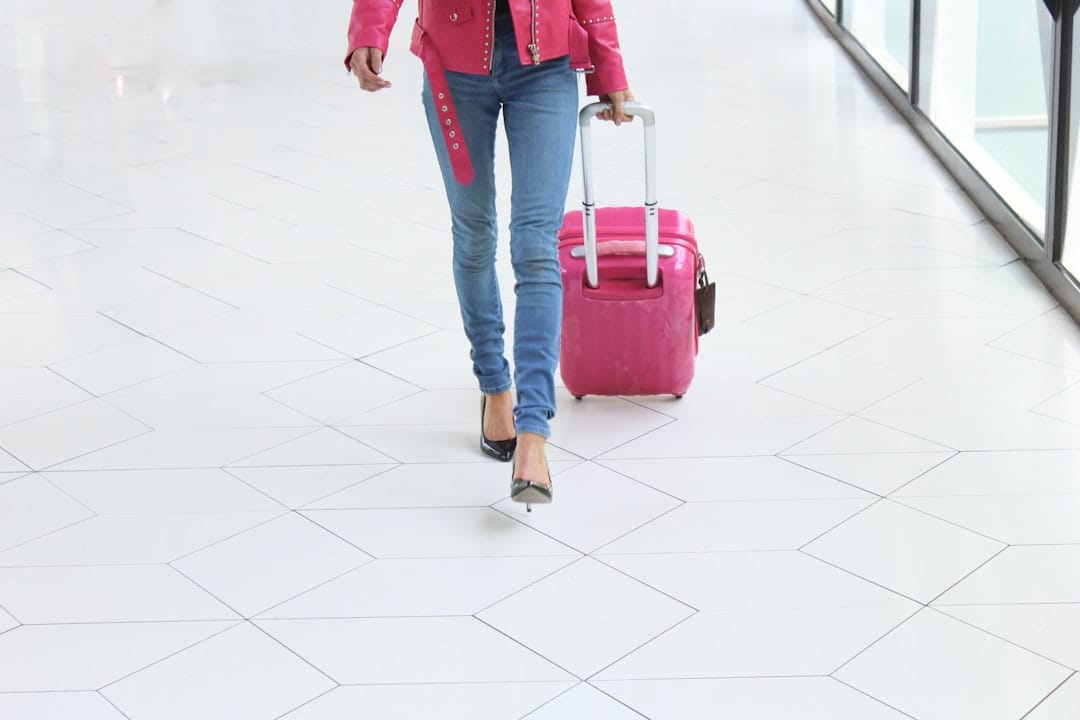
What the TSA Actually Says About Medications in Your Carry-On
The Transportation Security Administration in the United States has a relatively permissive stance on medications in carry-on luggage, and their guidelines form a useful baseline even if you're flying out of another country. According to the TSA, you are allowed to bring medications in both carry-on and checked bags, and there is no requirement that medications be in their original pharmacy containers — though having them labeled is strongly recommended. Solid medications like pills and capsules are not subject to the 3-1-1 liquid rule at all, so a full bottle of vitamins or a month's supply of a daily prescription can go straight into your bag without any special handling.
Liquid medications, however, exist in a different category. The TSA explicitly exempts medically necessary liquids from the standard 3.4-ounce container rule, which is a huge relief for anyone who relies on things like liquid antibiotics, certain seizure medications, or insulin. You can carry larger quantities of liquid medications in your carry-on, but you need to declare them separately at the security checkpoint — take them out of your bag and inform the officer before screening begins. They may be subject to additional screening such as swabbing or X-ray examination, but they will not be confiscated simply for being over 3.4 ounces.
One thing worth noting is that the TSA's rules apply only to the security screening process in the United States. They do not govern what you can legally import into the destination country, and they don't override airline-specific policies. So while you won't have your ibuprofen confiscated at JFK, that doesn't mean every country you're flying into will be equally relaxed about whatever's in your bag. Always research both ends of the journey, not just the departure.
Prescriptions, Documentation, and the Paper Trail That Saves You
Prescriptions, Documentation, and the Paper Trail That Saves You
A comparison of documentation requirements for carrying different medication categories through international airport security.
| Medication Type | Prescription Required | Extra Documentation | Risk Level |
|---|---|---|---|
| OTC Tablets | No | N/A | Low |
| Prescription Tablets | Yes | Pharmacy label | Low |
| Liquid Medications | Yes | Doctor's letter | Medium |
| Injectables | Yes | Doctor's letter | Medium |
| Controlled Substances | Yes | Official translated docs | High |
| Narcotics / Opioids | Yes | DEA permit may apply | Very High |
Documentation is where most travelers — nomads included — fall short. It's easy to assume that a prescription bottle with your name on it is sufficient proof that you're carrying a medication legally, and for most common drugs in most countries, it probably is. But the moment you're carrying anything that has a controlled substance classification, or traveling to a country with strict import laws, a pharmacy label alone may not be enough. What you actually want is a letter from your prescribing physician on official letterhead that includes your full name, the name of the medication, the dosage, the condition being treated, and a statement that the medication is medically necessary for you specifically.
This letter is your insurance policy. Ask your doctor for it before any long trip and keep both a physical copy and a digital version in a cloud folder you can access from anywhere. Some nomads I know also photograph their prescription labels and save them alongside their travel documents in an app like Notion or Google Drive. The goal is to be able to prove, quickly and convincingly, that the medication is yours, that you need it, and that you're not carrying more than a reasonable personal supply. Most countries define a "reasonable personal supply" as anywhere from 30 to 90 days' worth — anything beyond that may require additional import permits.
For over-the-counter medications, documentation is rarely required, but it's still worth keeping things in their original packaging when possible. A blister pack of antihistamines with a recognizable brand name is self-explanatory to a customs officer. A collection of loose, unlabeled pills rattling around in a small plastic bag is considerably more alarming to everyone involved.
Enjoying this? Get more like it.
Weekly picks for remote workers and digital nomads — tools, destinations, and honest takes, straight to your inbox.
Subscribe free →
Traveling with Controlled Substances and Sensitive Medications
This is where things get genuinely complicated, and where I'd urge every nomad to do serious research before traveling. Controlled substances — medications like Adderall, Ritalin, Xanax, Valium, certain opioid pain medications, and some sleep aids — are subject to international drug control treaties as well as individual country laws. What's a routine prescription in the United States may be a prohibited substance in another country, or it may be legal to possess but require prior approval and import permits to bring in. Japan, for instance, is famously strict: certain antihistamines and stimulant medications that are entirely legal in the US are prohibited entirely, and travelers have been detained for carrying them.
The rule of thumb is this: for any medication that has abuse potential or is a scheduled substance in the US, check the laws of every country on your itinerary, not just your destination. Some countries require you to register with their health ministry before arrival if you're bringing controlled substances. Others require a certified translation of your prescription. The International Narcotics Control Board maintains a resource page, and most country-specific embassy websites will list rules for importing medications — though sometimes these pages are buried and require a bit of digging. When in doubt, contact the destination country's embassy directly and get the answer in writing.
Injectable medications and biologics — things like insulin, EpiPens, or immunosuppressants — come with their own set of considerations. Needles and syringes are allowed in carry-on luggage when accompanied by the associated medication, but you should keep everything together in a clearly organized case. Insulin is officially exempt from liquid quantity limits, and cooling pouches or small insulin cases are widely available and worth every penny if you're managing diabetes on the road. Always carry more than you think you'll need: pharmacies in other countries may not stock your specific formulation, brand, or dosage.
Smart Packing Strategies and Time Zone Tips for Long-Term Travelers
Beyond the legal and documentation side of things, there's the purely practical question of how to manage medications when you're moving through multiple time zones, dealing with irregular sleep schedules, and living out of a bag. The first and most important rule: always keep your medications in your carry-on, never in checked luggage. Checked bags get lost, delayed, or damaged. Your health is not worth the convenience of slightly more carry-on space. If your medication supply is split across a carry-on and a checked bag and the checked bag disappears in Frankfurt, you'll be scrambling to replace something that might be difficult or impossible to source locally.
Time zone changes are a genuine challenge for anyone on a time-sensitive medication regime — contraceptive pills, certain psychiatric medications, and thyroid hormones all require consistency to be effective. Before a big move across time zones, talk to your prescribing doctor about how to adjust your schedule. Some medications have enough flexibility that you can shift the timing gradually over a few days; others need a specific plan. Setting phone alarms with a time zone-aware calendar app helps enormously once you've arrived, and apps like Medisafe can remind you at the correct local time regardless of where in the world you happen to be that week.
For long-haul nomads who stay in each destination for weeks or months at a time, it's worth investing in a small but well-organized medical kit. Alongside your prescriptions, carry a solid supply of basic over-the-counter medications: pain relievers, antihistamines, anti-diarrhea medication, oral rehydration salts, and a broad-spectrum antibiotic if your doctor is willing to prescribe one for emergencies. Think of it as a travel pharmacy in miniature. Pharmacies in most countries — particularly in Southeast Asia and Latin America — are well-stocked and inexpensive, but having those basics on hand means you're never hunting for paracetamol at midnight in a neighborhood where you don't speak the language.
Traveling with medications is, in the end, a solvable problem — one that rewards preparation and penalizes improvisation. The nomads who handle it most gracefully are those who've built a system: consistent documentation, a reliable carry-on kit, a relationship with a doctor who understands their lifestyle, and just enough knowledge about destination-specific rules to avoid the worst surprises. That system takes some effort to build, but once it's in place, it becomes as automatic as knowing which adapter to pack for which region of the world.
So the next time you're standing at that bathroom counter, looking at the row of bottles and blister packs, take a breath. You can bring them. You just need to bring them smart.